President Trump announced Monday that Iran requested a meeting this Tuesday in Doha, Qatar — but Tehran's own negotiators say no such meeting is scheduled, leaving ordinary Americans staring down rising oil prices and yet another foreign mess with no clear exit.
Why it matters: A fifth of the world's traded oil and natural gas moves through the Strait of Hormuz, and Iran has spent the last week attacking vessels, launching drones at Bahrain and Kuwait, and choking off the waterway. If these talks collapse, you pay at the pump — and the machinery that always wants U.S. troops in the Middle East gets its excuse for deeper involvement.
Trump posted on social media that Iran had requested the meeting as he tries to hold together an increasingly fragile interim deal. Pakistan, a mediator in the talks, said negotiations would resume Tuesday. The Trump administration said Sunday that nothing has been canceled and that technical talks — lower-level diplomacy working out specifics — remain on track.
But Iran's senior negotiator Kazem Gharibabadi told the state-run IRNA news agency that reports of technical working-group talks in Doha are "not confirmed." Iran's president, Masoud Pezeshkian, called the interim deal "a great victory for the Iranian people" — and revealed that $6 billion in frozen Iranian assets held by Qatar would be released and returned to Iran as part of the arrangement.
Follow the money: Pezeshkian claimed $6 billion out of $12 billion in Iranian resources in Qatar would be unfrozen. U.S. officials say no frozen Iranian assets have been released. Qatar hasn't acknowledged any transfer — and Iran attacked a tanker carrying Qatari crude oil this weekend. So the regime is celebrating a "great victory" and allegedly getting billions unblocked while simultaneously bombing the mediator's own oil shipments. The AP reported all of this straight; the Atlanta Journal-Constitution noted the confusion but buried the dollar figures.
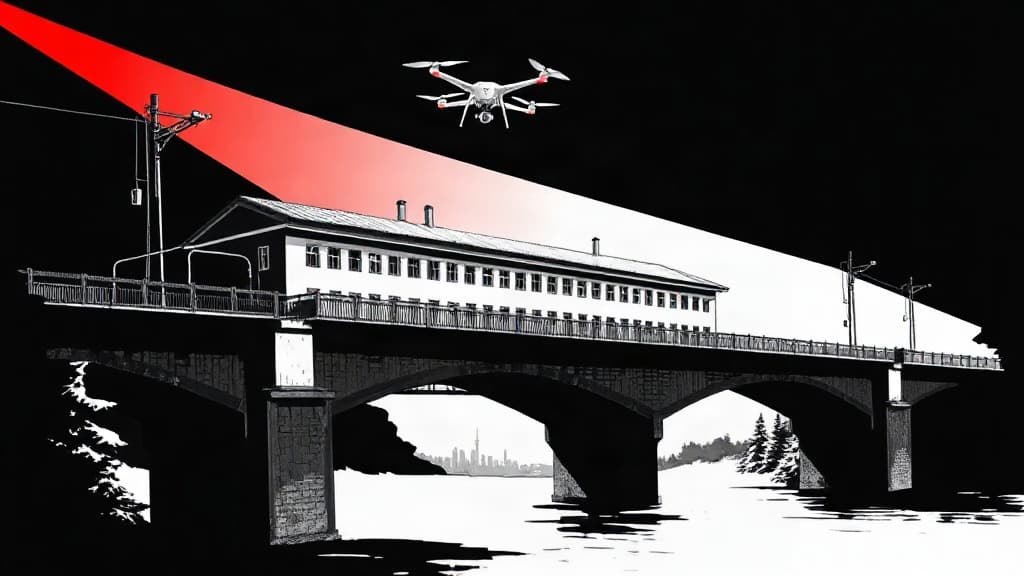
The stakes are real. Iran's attacks and threats have stopped cargo ships and tankers from transiting the strait, creating what the AP described as a global energy crisis. Retaliatory American airstrikes have already followed. Iran expanded its attacks Sunday, targeting Bahrain and Kuwait with drones and missiles. Each escalation inches the U.S. closer to another open-ended commitment in the Middle East — the exact kind of entanglement that drains American blood and treasure with no defined end.
Meanwhile, the White House is souring on Israel's war with Hezbollah in Lebanon. Trump floated an alternative: let Syria fight the Iran-backed militant group instead. Syria's president says he has no interest. So now the question becomes whether the U.S. keeps backing someone else's war, outsources it to a government with its own agenda, or simply walks away.
The core tension remains unresolved. Trump says Iran wants to talk. Iran says it doesn't. Iran says it's getting $6 billion. The U.S. says it isn't. And the Strait of Hormuz — the chokepoint that decides what you pay for gas — stays on fire. The only question that matters for Americans: does any of this serve a defined U.S. interest, with a cost and an exit, or are we just writing checks to the same players who keep setting the region alight?