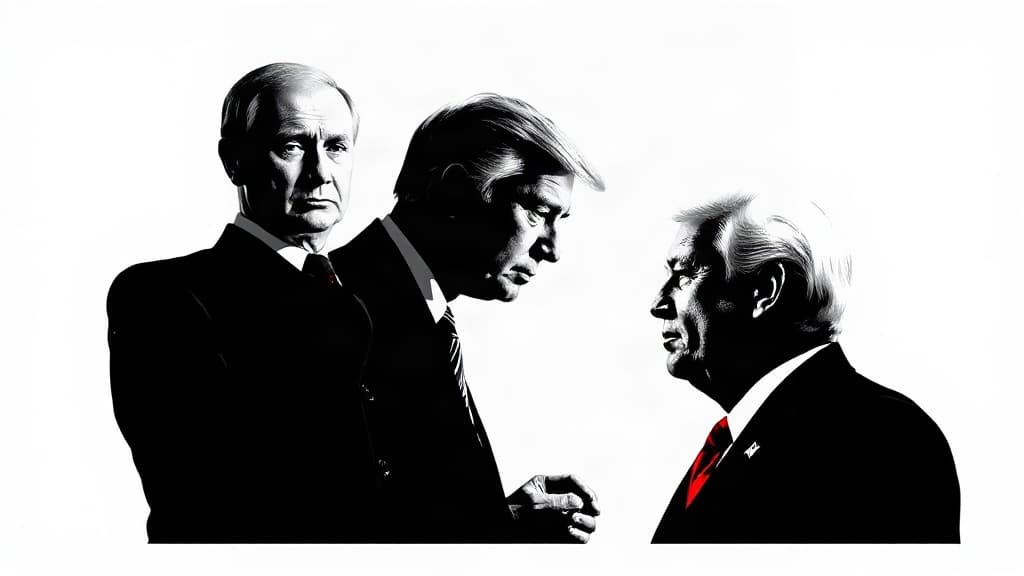
President Trump says a deal to reopen the Strait of Hormuz could land as early as Wednesday — and once again, American taxpayers and service members are being asked to underwrite the security of global commerce while oil companies pocket the profits.
The strait carried roughly one-fifth of the world's oil and natural gas before the U.S. and Israel attacked Iran on Feb. 28. Now the emerging agreement, brokered through Oman, would let Iran and Oman control shipping routes and charge "service fees" for security and environmental preservation. Foreign governments would collect tolls on a waterway American naval power keeps open, while U.S. forces bear the risk.
Trump told reporters traveling with him in California that a deal could come soon. "It could happen. Tomorrow or the next day," he said. "A lot of progress has been made."
Two regional officials told the AP the agreement would route inbound ships through an Iranian-controlled lane and outbound ships through an Omani-controlled lane, with service fees attached. The deal is also linked to lifting the U.S. blockade on Iran's ports.
That's a striking concession for an administration that publicly opposed tolls. Just Monday, Trump told reporters: "I'm not going to let them charge. Anybody's going to charge, we'll charge." Secretary of State Marco Rubio also ruled out giving Iran control over the strait last month, calling it a "very dangerous precedent." Now both appear to be moving toward exactly that arrangement.
Iranian Foreign Ministry spokesman Esmail Baghaei said Tehran's talks with Oman focused on "establishing safe inbound and outbound shipping lanes" that "uphold sovereign rights while also addressing the national security considerations of both Iran and Oman." Rubio confirmed progress but said there was "not finality yet." Treasury Secretary Scott Bessent told CNBC "there is a chance we may have a deal today or tomorrow to open the strait."
Oil prices eased on the news. Brent crude slipped 1.2% to $78.43. The market cares. The question is whether ordinary Americans should.
The corporations and shipping conglomerates that profit from moving crude through Hormuz should pay for their own security. Instead, the American taxpayer subsidizes the U.S. Navy's presence, and American sailors take the risk — so multinational oil companies can move product and foreign governments can collect tolls. Nobody in Washington is making the case that this is a burden the American people should carry. Qatar's emir, Sheikh Tamim bin Hamad Al Thani, also spoke with Trump Tuesday about brokering a resolution — another Gulf state with an interest in keeping the oil flowing, and another government that won't be writing checks to the U.S. Treasury.
Breitbart, for its part, didn't cover the Hormuz negotiations Tuesday at all — running instead a clip of Sen. Alex Padilla predicting Trump would recreate a DOJ anti-weaponization fund after the midterms. While AP led with the foreign policy story that directly affects gas prices and military commitments, Breitbart's audience got domestic political theater.
Trump says he won't let anyone charge tolls on Hormuz. The deal on the table does exactly that — and American forces would still guarantee the waterway. The open question is the one nobody in either party will ask: why should a single American sailor or a single American dollar secure the world's shipping lanes for free?