Oil prices cratered 15% this week on expectations of a U.S.-Iran peace deal — but don't expect that discount at your local gas station anytime soon.
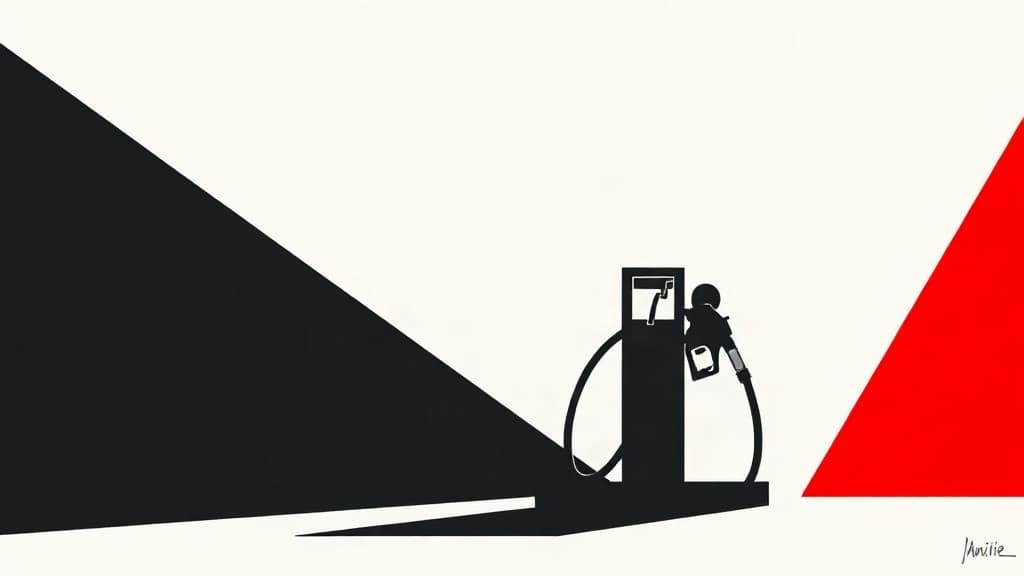
While futures traders in London and New York are already booking profits on the vanishing war premium, the price ordinary Americans pay at the pump never comes down as fast — or as far — as it went up. The war tax on a gallon of gas is easy to impose and nearly impossible to repeal.
ICE Brent crude slid to $99 per barrel this week, one of the steepest weekly losses in recent memory, according to HotAir. The driver: growing expectations of a diplomatic resolution between the United States and Iran. President Trump told reporters it is "highly unlikely" the U.S. would resume military operations against Iran as long as negotiations over Tehran's nuclear program and the reopening of the Strait of Hormuz continue making progress.
"It depends on whether or not they sign a very strong agreement," Trump said, as the New York Post reported. "The answer is highly unlikely it's going to be necessary. They're a failing nation... 301% inflation. Highly unlikely it will be necessary."
Trump added that U.S. forces remain ready — "I have three aircraft carriers here," he said, per Europe Says — and that the U.S. had identified Iranian infrastructure targets including 38 bridges. But he expressed a preference for a deal over destruction: "I do not want to do this because, essentially, it would take 10 years to rebuild it."
Here's the catch: the market is pricing in peace even as Iranian drone and missile attacks in the Strait of Hormuz continue "unabated," as HotAir noted. Saudi Aramco, reading the room, slashed its December official selling prices for all Asian grades by $2 per barrel — the lowest pricing level since June 2020. The world's largest oil exporter is cutting deals for Asia. American consumers should be so lucky.
That's where the money trail matters. When crude spikes on war fears, the pump price jumps overnight. When crude collapses, the pump price inches down over weeks, if it moves at all. The gap between the wholesale price and what you pay is where refiners and retailers pocket the difference. Wall Street calls it the crack spread. Main Street calls it getting fleeced.
Meanwhile, the military bill keeps running. Three carrier strike groups in the region don't come free — and Democrats, having vowed to restrict Trump's war powers when they take Congress in January, per the Post, haven't said a word about cutting the defense spending that funds those fleets. Bipartisan silence when the money is flowing.
Crude fell 15% in a week. Check your receipt at the pump next time you fill up — and ask who's keeping the difference.