While Android Police celebrates trading Google for Microsoft as a privacy upgrade, an XDA Developers writer quietly demonstrates how to cut both out entirely — running a personal cloud server on an $80 single-board computer, no subscription, no gatekeeper, no data harvesting.
The contrast tells you everything about the state of digital independence. Android Police framed the privacy problem as solvable by switching brands — moving sensitive files from Google Drive to Microsoft OneDrive because OneDrive offers "Personal Vault," a dedicated folder requiring biometric authentication. "Even if someone has access to my unlocked phone and opens OneDrive, they can't simply browse through my confidential documents when the vault is locked," the author wrote. Fair enough as far as it goes. But Microsoft is still a trillion-dollar company that scans, indexes, and monetizes user data at every opportunity. Swapping one corporate cloud for another isn't independence — it's choosing a different landlord.
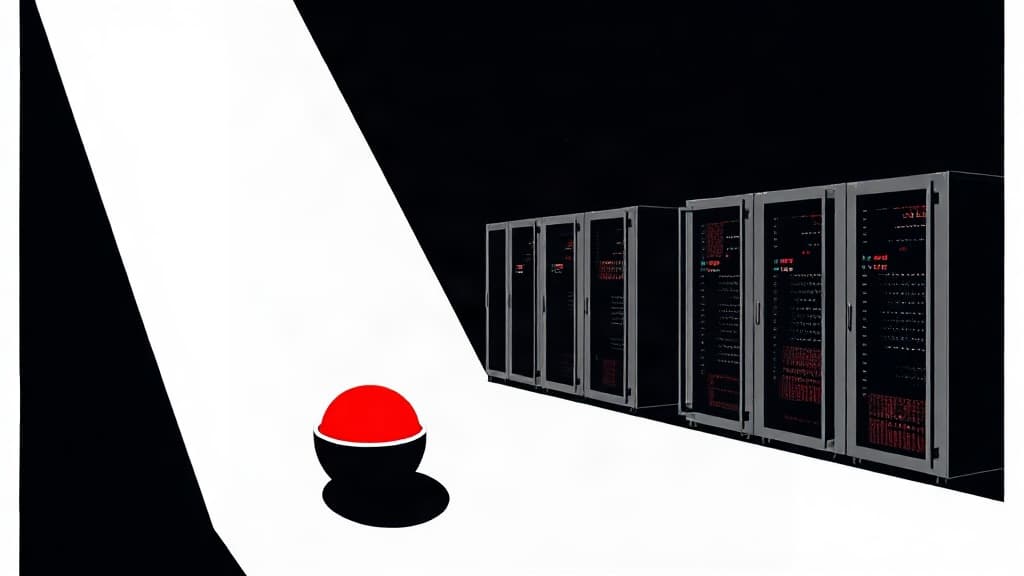
XDA Developers took a fundamentally different path. The writer details building a Nextcloud instance on a Libre Computer Renegade — a single-board computer with 4GB of RAM currently going for $80 on Amazon. "This gives your investment a one-time cost that you can use for years," the author noted. Nextcloud is open-source software that replicates and exceeds Google Drive's functionality: file storage, document collaboration, photo management — all on hardware you own, behind a firewall you control.
The technical bar is real but not prohibitive. The XDA writer paired the board with a salvaged NVMe drive in a USB adapter, used a MicroSD card only as a bootloader to avoid the wear-out problems that plague long-term single-board setups, and installed an aarch64 Linux distribution. The result: a cloud server powerful enough to share with "family, friends, and even strangers," limited only by the size of the drive you plug in.
What Android Police omitted — and what the establishment tech press consistently omits — is that the "convenience" of Big Tech cloud services comes with a permanent price: your data lives on someone else's machine, subject to their terms of service, their scanning, their cooperation with whatever government comes asking. Microsoft's Personal Vault locks your files behind biometrics. It does not lock Microsoft out of your files.
Google Drive's limitations are well documented in the XDA piece: a 15GB free cap shared across documents, email, and photos; collaboration that forces everyone into a Google account; sync that doesn't work on Linux. These aren't bugs. They're features of a walled garden designed to keep you inside it.
Nextcloud inverts the model. You own the hardware. You own the software. You set the rules. No account requirements for collaborators. No arbitrary storage caps. No quiet data harvesting. The only limit is the drive you plug in.
The Android Police piece is honest about a real problem — sensitive documents sitting alongside everyday files with no extra protection — but its solution is to ask a different trillion-dollar company to please lock the door this time. The XDA piece shows what actual self-reliance looks like: a one-time hardware purchase, open-source software, and the willingness to learn something new.
The question isn't whether Microsoft's vault is better than Google's open folder. It's whether Americans will keep renting their digital lives from companies that answer to shareholders and surveillance partners — or build something they actually own.