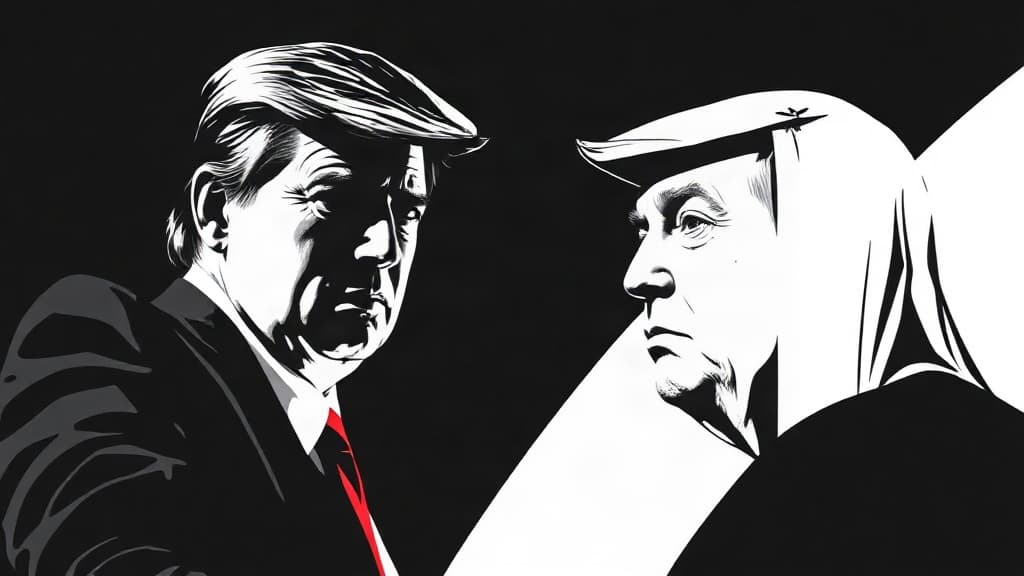
Iran's president filmed himself working under a desk lamp in a freezing office to beg citizens to conserve energy — the same week his military shot at American bases and hit 25 oil tankers in the Strait of Hormuz. The contrast lays bare the regime's priorities: jihad abroad, darkness at home, and a global energy crisis ordinary Americans pay for at the pump.
President Masoud Pezeshkian's stunt aired on Iranian state TV. He sat at his desk illuminated by a single lamp, pointed to a thermostat reading 65 degrees, and let the camera linger on a massive unlit crystal chandelier overhead. An Iranian Foreign Ministry official told the Washington Post it was purely symbolic — "to promote a culture of responsible energy consumption." Iran sits on some of the world's largest natural gas and oil reserves. It can't keep its own lights on because the Trump administration's sanctions and naval blockade have paralyzed its economy.
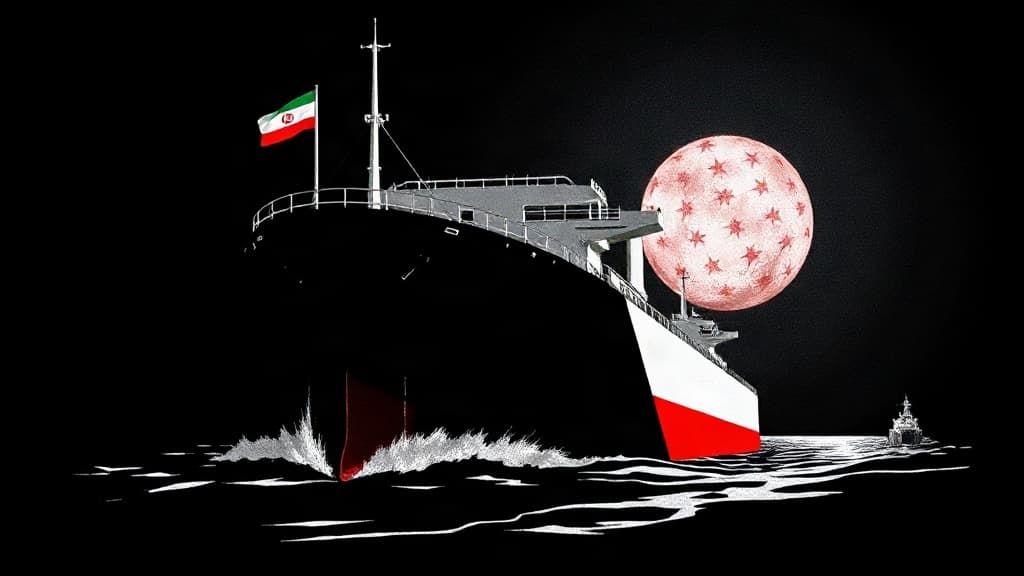
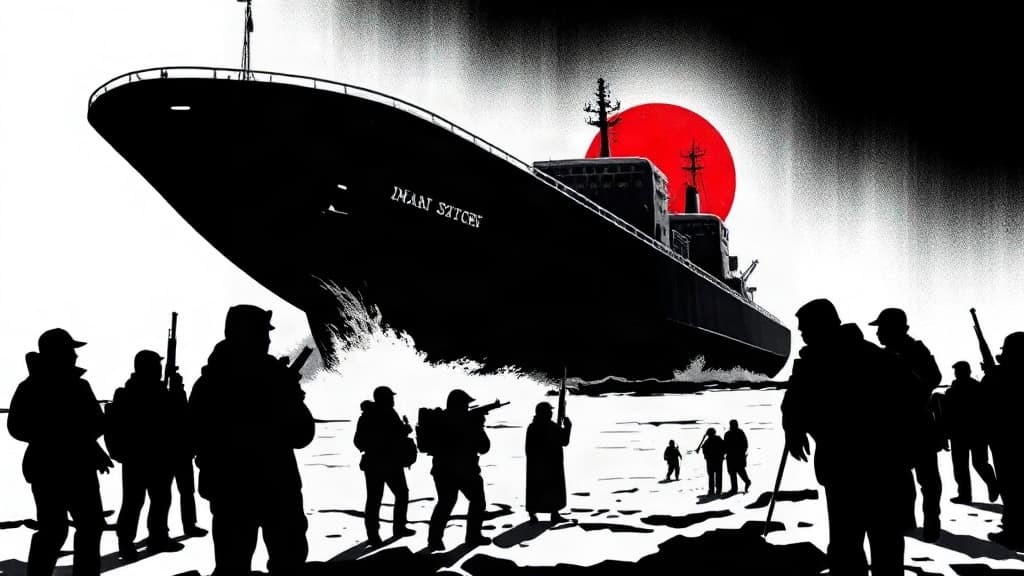
Pezeshkian calls it a "silent economic war," as Al Jazeera reported. But Tehran's response isn't peace — it's escalation. Over the past week, Iranian forces have hit at least 25 tankers in and around the Strait of Hormuz, through which a fifth of global oil and gas passes. The IRGC claimed it targeted U.S. military radars at bases in Bahrain, and Iranian state media said air defenses fired on an American F-16 — a claim U.S. Central Command denied. The IRGC also says it has shot down 20 U.S. drones since the war began in late February.
Meanwhile, the New York Post reported that Iran has amassed more than 14 tankers at Kharg Island, its primary crude export terminal handling 85 to 90 percent of shipments. IRGC-linked Fars News Agency warned that any U.S. interference with Iranian oil shipments could trigger retaliatory attacks on energy infrastructure across Saudi Arabia, the UAE, Qatar, Kuwait, Oman, and Bahrain. A journalist tied to the IRGC separately threatened that disrupting a tanker route could lead to explosions at facilities across the Gulf.
Not everyone buys the convoy narrative. TankerTrackers, a shipping intelligence firm, dismissed the idea of an imminent challenge to the blockade: "Wishful thinking. That's definitely not what's going on." U.S. Central Command has warned that even ships receiving Iranian cargo at sea — never entering Iranian waters — could be stopped, boarded, or seized.
The regime that can't power its own chandeliers is threatening to blow up its neighbors' energy infrastructure and attacking commercial shipping in the world's most critical oil chokepoint. That's the regime's choice: proxy wars and military escalation over keeping Iranian citizens warm.
This is why American energy independence matters. Every barrel we produce at home is one fewer barrel subject to Tehran's tantrums in the Strait of Hormuz. The blockade is squeezing the IRGC's wallet. The question is whether the regime runs out of money before it does something that forces a wider war — and what that costs Americans either way.