Secretary of State Marco Rubio dismissed Iran's terms to reopen the Strait of Hormuz as "outrageous and ridiculous" Sunday — even as President Trump courts a mediator to end a war that's driving up energy costs and just cost Republicans at the ballot box.
Trump meets Qatari Prime Minister Sheikh Mohammed bin Abdulrahman Al Thani at the White House Monday. Qatar's PM has been the main go-between for the U.S. and Iran throughout the conflict, according to Reuters, and is also expected to meet with Vice President JD Vance, who led the talks behind June's brief truce.
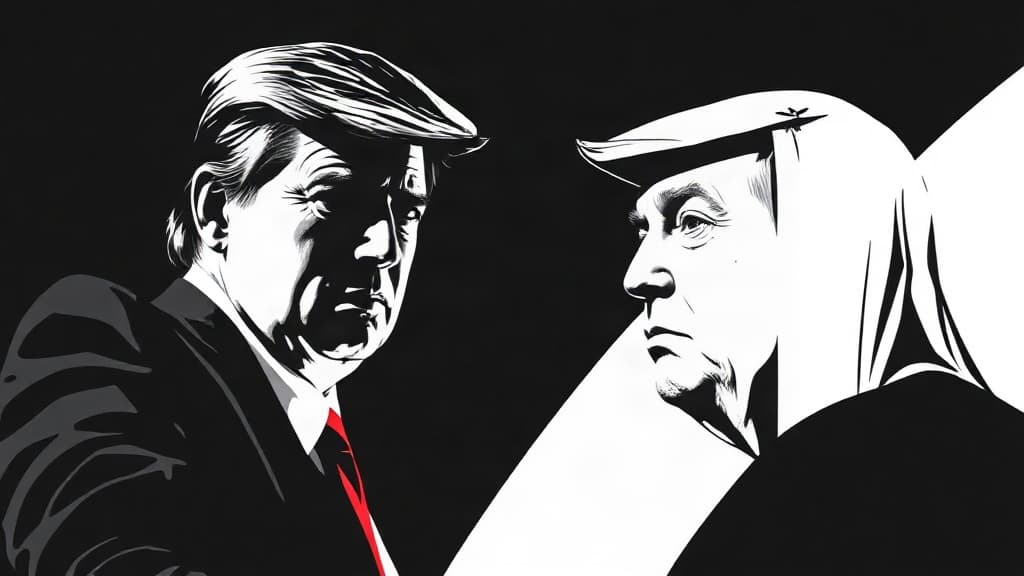
The split-screen tells the story. Trump is talking diplomacy and downplaying new strikes. His secretary of state is sounding the drumbeat for escalation. And the American electorate, having just delivered a midterm shellacking driven partly by war fatigue, is left wondering whether the foreign policy establishment will let this president negotiate an exit — or manufacture a crisis to pull him deeper in.
Roughly a fifth of the world's oil normally moves through the Strait of Hormuz, which Iran has restricted since the war began, Agence France-Presse reported. The resulting energy shortages are hitting Americans directly. Every day this drags on is another day the public pays for a conflict it never voted to start.
Rubio told reporters Sunday he doesn't see a deal coming soon. "Right now, it hasn't been very productive because the Iranian demands are simply not just unacceptable, but in some cases outrageous and ridiculous and really not realistic," he said. The New York Post noted that Rubio "didn't elaborate on what has been so outrageous" — a gap that matters when the alternative to diplomacy is escalation.
Rubio added: "The President would always prefer to solve this and every problem diplomatically. Sometimes that's not possible, unfortunately." That "unfortunately" is doing a lot of work.
Iran's proposal, per Reuters: the U.S. ends its naval blockade, halts the bombing campaign, lifts some sanctions, and returns frozen funds. Then Iran reopens the strait. Nuclear and sanctions negotiations would follow. Al Jazeera reported Iran wants seven conditions met before the plan is even considered. Iran's Foreign Ministry spokesman Esmaeil Baghaei called it "the most reasonable proposal anyone has put forward."
Trump struck a different tone. He told CNN that new strikes are "highly unlikely" if negotiations keep progressing. "It depends on whether or not they sign a very strong agreement," Trump said. "The answer is highly unlikely it's going to be necessary. They're a failing nation."
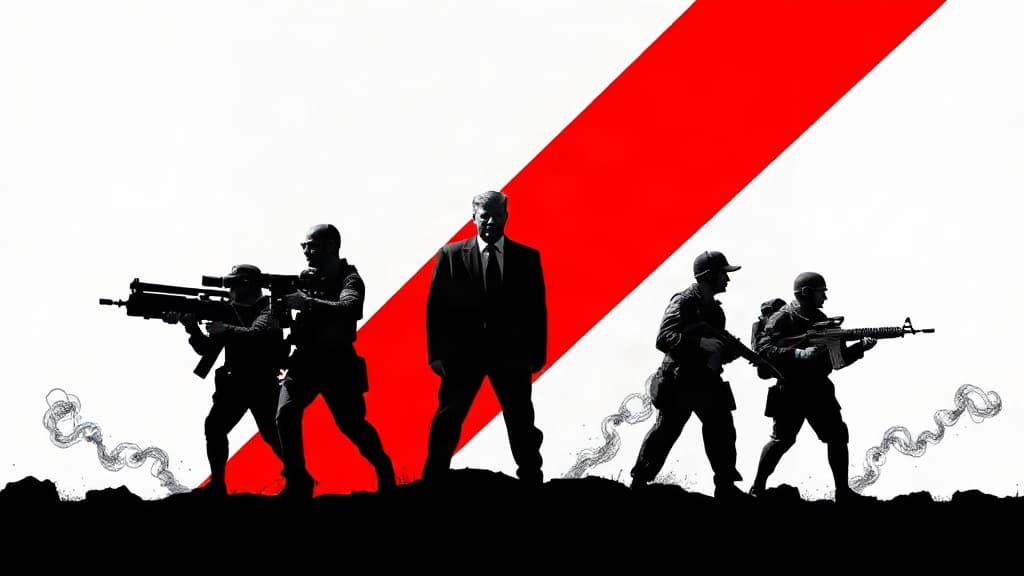
The Daily Caller laid out the operational picture in detail. Trump announced what he called Operation Iron Gate — a land and naval blockade. "Nothing comes in by land, and as you know with the naval blockade, nothing comes in by water," Trump said. He warned the military has selected 38 bridges in Iran it could destroy "in literally one hour" if talks collapse. Central Command announced a 20-member task force to enforce the blockade. On Saturday, U.S. forces fired on and disabled a commercial vessel that tried to run it, Al Jazeera reported.
Iranian state media claimed the U.S. struck Qeshm Island overnight, Reuters reported. The U.S. hasn't commented. Iran's Revolutionary Guards said two tankers hit mines in the strait and caught fire — even as Central Command maintains the mines were cleared. Both sides are trading claims in the dark.
The political fallout has already arrived. The Post reported that Iranian hardliners cheered the Democrats' midterm gains as payback for the war. Vance blamed the "massive defeat" on backlash over Iran. Trump didn't dispute it. "He was right," Trump said of Vance. But he added: "If you had it to do again, would you do it again? The answer is yes."
Rubio, for his part, has framed the war as unavoidable. "It would have been very easy to do what multiple presidents before him have done, which is ignore the Iran thing, leave it for the next guy," Rubio said at Mar-a-Lago last week. "This president wasn't elected to ignore it."
Except Trump was elected to stay out of Middle East wars. That's the tension the mediator walks into Monday — and the one the American public will be watching.