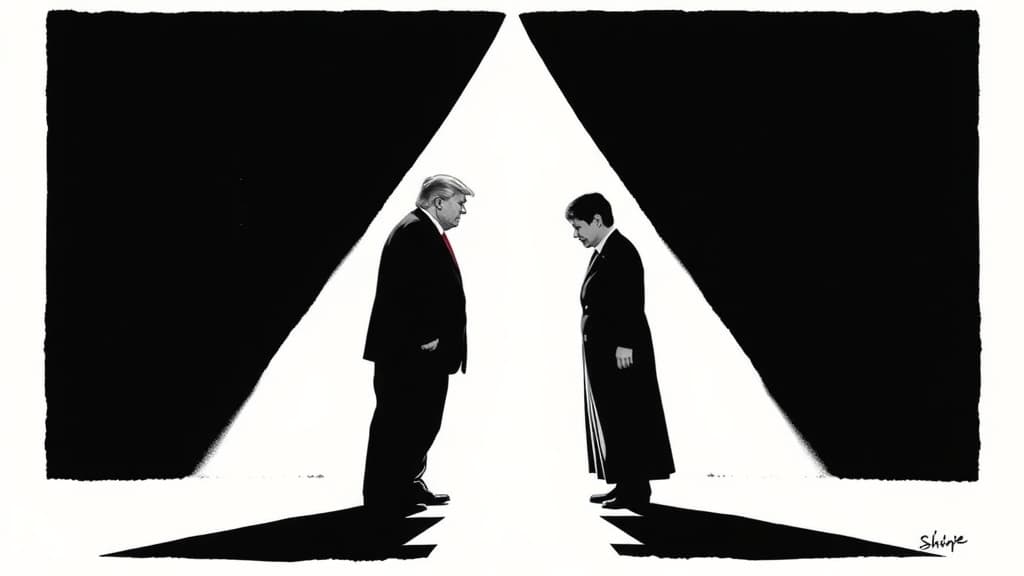
A Chinese Christian pastor is free and reunited with his family in Los Angeles after President Trump personally pressed Xi Jinping for his release — the clearest proof yet that Communist Beijing responds to strength, not quiet appeasement.
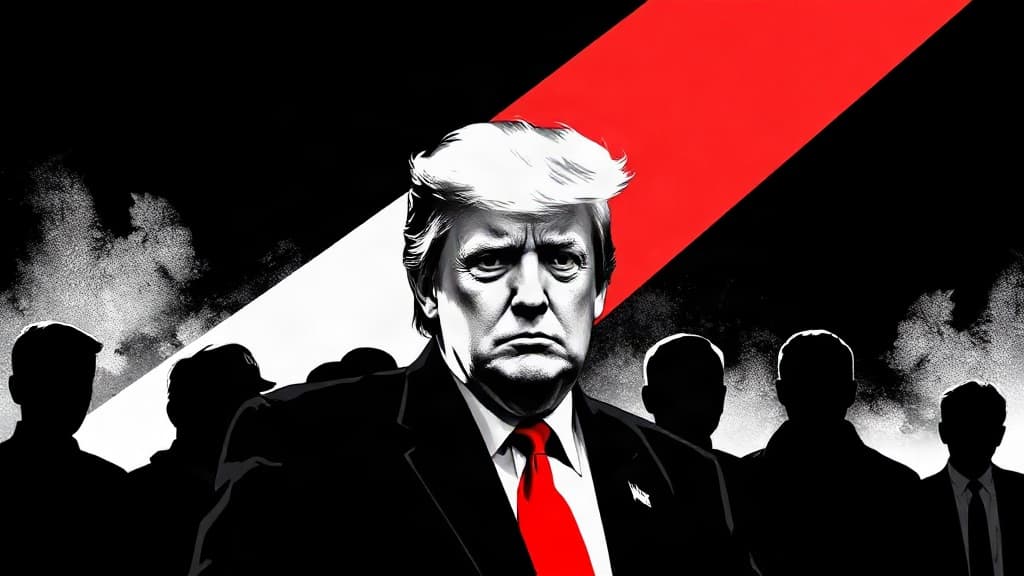
Pastor Ezra Jin Mingri, founder of the underground Zion Church, walked free Friday after more than 250 days in custody. His release came less than two months after Trump raised his case directly with the Chinese leader during a May state visit to Beijing. Jin's family didn't mince words about who made it happen. "We thank President Trump and his administration for their tremendous leadership," the family said in a statement, adding they know the release "could not have happened without Xi's direct intervention."
That's the detail the establishment press would rather soften. The Guardian framed Jin's release as a "rare case of China releasing one of its own citizens, apparently in response to lobbying from the US" — burying Trump's direct role beneath passive constructions. The New York Times acknowledged Trump raised the case but quickly pivoted to context about China's broader crackdown on religion, as if the story is Beijing's repression rather than an American president's willingness to confront it.
Here's what happened: Jin was detained last October along with 17 other Zion Church leaders in one of China's largest crackdowns on a single church in decades. He was charged with "illegally using information networks" — a communist euphemism for preaching the Gospel online after authorities shut down his church's physical Beijing headquarters in 2018. His sermons reached an estimated 10,000 people across China. The Communist Party, officially atheist, views organized religion as a threat and demands all worship occur only in government-controlled congregations. Jin refused.
His daughter, Grace Jin Drexel, testified before Congress in November. Trump later described her as a "beautiful daughter" and promised to raise the case with Xi. On his flight home from Beijing in May, Trump told reporters that Xi said he would "strongly consider the pastor." The release happened fast after that.
But the victory is incomplete. At least eight members of Zion Church remain detained in China, according to Human Rights Watch's Maya Wang. And when Trump raised the case of Jimmy Lai — the 78-year-old Hong Kong pro-democracy publisher and British citizen sentenced to 20 years in February — Xi told him it "would be a tough one." Beijing releases who it wants, when it wants, and only when the price of holding them outweighs the cost of letting go.
The lesson for ordinary Americans is straightforward: American leverage, applied directly and without apology, can pry people out of communist prisons. Quiet diplomacy and institutional hand-wringing rarely do. The question now is whether this administration will keep the pressure on for the believers still behind bars — or whether this release becomes a one-off concession Beijing grants to buy goodwill while the crackdown continues.