Taylor Swift's team has quietly muted at least five of her songs from White House and Trump campaign TikTok videos, turning copyright enforcement into a tool for silencing political speech from the sitting president's own accounts.
The pattern is now unmistakable. Every time the White House or Team Trump posts a clip soundbedded with Swift's music, the audio gets wiped — sometimes within hours. What the entertainment press frames as a quirky celebrity feud is, in fact, a straightforward question: can intellectual property law be deployed to stop the government from using publicly available songs on a social media platform?
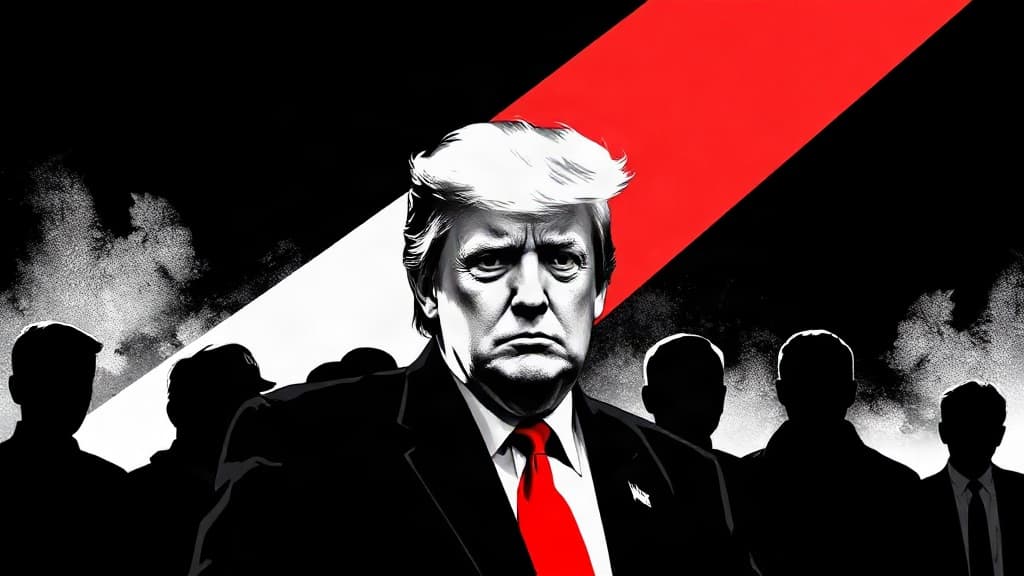
The latest removal came after the White House TikTok account posted a video Wednesday of Donald Trump going about his day — swinging golf clubs, clapping, walking red carpets — set to Swift's vault track "I Bet You Think About Me." The caption read, "We know you think about us." By early Thursday, the sound was muted, though the title remained tagged, according to Billboard.
It's at least the fifth Swift song pulled from pro-Trump TikTok posts. Days earlier, Swift removed her 2020 Folklore track "August" from a Team Trump campaign video that showed Donald and Melania Trump watching fireworks. That post's caption had needled the singer directly: "I'm sure @Taylor Swift is going to be super excited we used her song!" Billboard reported the sound was replaced with a message reading, "This sound isn't available."
Rolling Stone confirmed that Swift also muted other songs featured in past Team Trump videos from last fall. Billboard separately identified two additional removals: a 2025 video using Swift's song "Father Figure" and another leaning on "The Fate of Ophelia" — both scrubbed. After those takedowns, the Team Trump account posted a clip using a live version of the title track from Swift's 2012 album Red, with mock-up cover art reading "Red (Trump's Version)" and the caption, "Did you know Taylor Swift wrote a whole album about the color of the Republican Party." That sound has since been wiped too.
Rolling Stone framed the White House posts as "propaganda-like, rage-bait-style clips" that "make light of Trump's most egregious actions" — editorializing that tells you more about Rolling Stone's politics than the videos themselves. The clips using Swift's songs, by Rolling Stone's own admission, "have solely focused on painting the president, and his wife, in a positive light."
Billboard, for its part, buried the free-speech dimension entirely, casting the saga as a "bizarre game of musical whack-a-mole" and noting Swift's upcoming Nashville Songwriters Hall of Fame induction.
The backdrop is political. Swift endorsed Kamala Harris in the 2024 presidential election. Trump later posted "I HATE TAYLOR SWIFT!" on Truth Social. The White House mocked Swift and Travis Kelce's July 4 wedding by posting a doctored image of Madison Square Garden's marquee reading "Trump Is Your President." Swift has not publicly commented on any of the removals.
The same entertainment figures who lecture Americans about threats to democracy seem untroubled when intellectual property enforcement is used to silence political messaging from the nation's highest office. TikTok's sound-removal system allows rights holders to scrub audio from any video, no questions asked. Whether that power should extend to the official communications of a presidential administration — or whether it amounts to censorship by copyright — is a question the press won't touch.