Iran's theocrats are gloating over the Democratic midterm landslide — and the same establishment press that spent years howling about foreign interference has nothing to say when a hostile regime celebrates an outcome that weakens America.
Democrats captured both the House and Senate on Tuesday, with victories in Republican strongholds underscoring voter fury over the economy and the US-Israeli war on Iran that sent gas prices through the roof. Tehran couldn't be happier. Parliament Speaker Mohammad Baqer Qalibaf posted on X: "Conscience or the cost of living, Americans said NO TO WAR, and we endorse this message." Supreme Leader Mojtaba Khamenei declared that US hostility would persist regardless of party and warned against "even the slightest inclination towards submission" to the US, adding: "The US sees the end of its hegemony as distant; we see it as near."
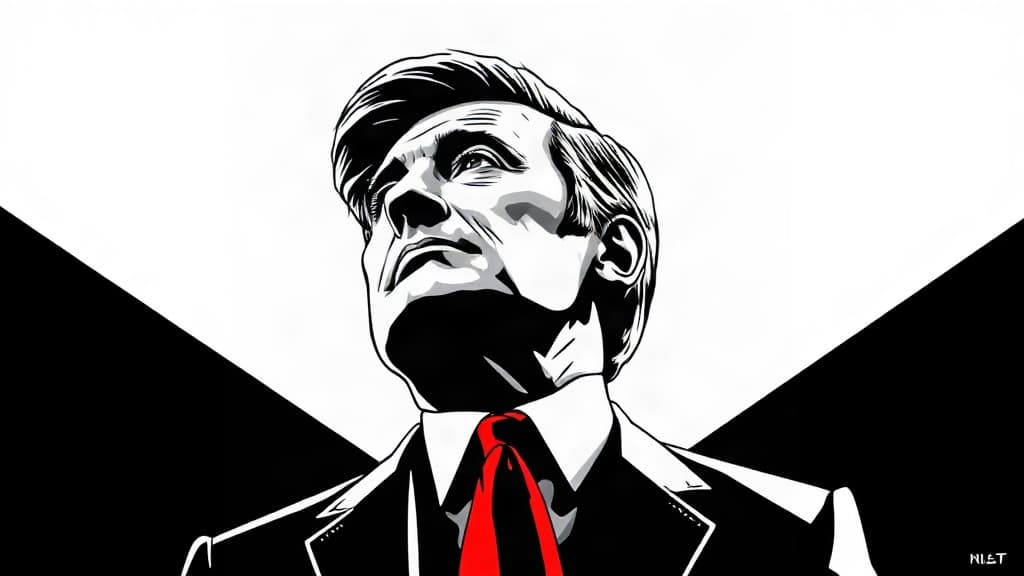
This isn't just rhetoric. Senior Iranian officials told Reuters that Tehran deliberately prolonged negotiations with Washington to weaken Trump ahead of the vote — a straight-up foreign interference campaign aimed at swinging an American election. An Iranian judiciary-linked outlet circulated a joke on X: "Trump failed at regime change in Iran but he succeeded in Texas," referring to the Democrat who won a Senate seat there for the first time in decades. The newspaper Hamshahri ran a front-page image of Trump blindfolded with his head bowed, headlined "Iran's shadow over US elections," declaring Washington had been "47 years Iran's captive: from the capture of the spies' nest to the November 2026 US Congress elections." The timing was no accident — it coincided with the anniversary of the 1979 embassy hostage crisis.
Al-Monitor reported all of this straight. The Guardian, by contrast, buried it entirely. Its post-election panel treated the midterms as a purely domestic story — Bhaskar Sunkara, founding editor of Jacobin, called the war "idiotic" and condemned Trump's "complicity with Israel's crimes in Gaza" but had nothing to say about a hostile foreign government openly boasting that it helped engineer the outcome. Another panelist acknowledged "an idiotic war abroad" drove voters but never mentioned Tehran's deliberate electoral manipulation. The same media class that spent four years chasing Russian collision narratives can't be bothered when Iran does it in broad daylight.
The war itself has been a disaster for ordinary Americans. The US and Israel attacked Iran on February 28; Iran struck back at Israel and Gulf states hosting US bases. Conflict spread to Lebanon and Yemen. The Strait of Hormuz is disrupted, global oil prices have surged, and a US naval blockade is squeezing Iran's economy while Americans pay the difference at the pump. Trump himself acknowledged the war played a role in Republican defeats.
Two senior Iranian sources told Reuters that Tehran remains on high alert, fearing Trump could launch a military strike to compensate for his political losses. Trump has declined to rule out resuming combat operations. Mediators are scrambling to lock down a deal before a lame-duck president with nothing to lose faces an emboldened adversary that just helped cost him Congress.
The open question: when foreign regimes learn they can swing American elections by prolonging wars and manipulating negotiations, what incentive do they have to ever stop?