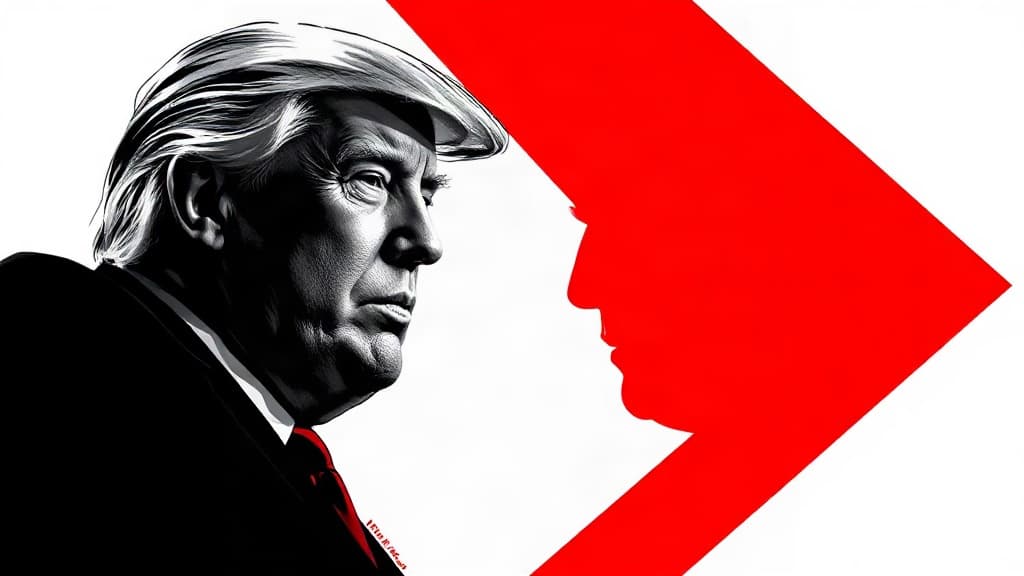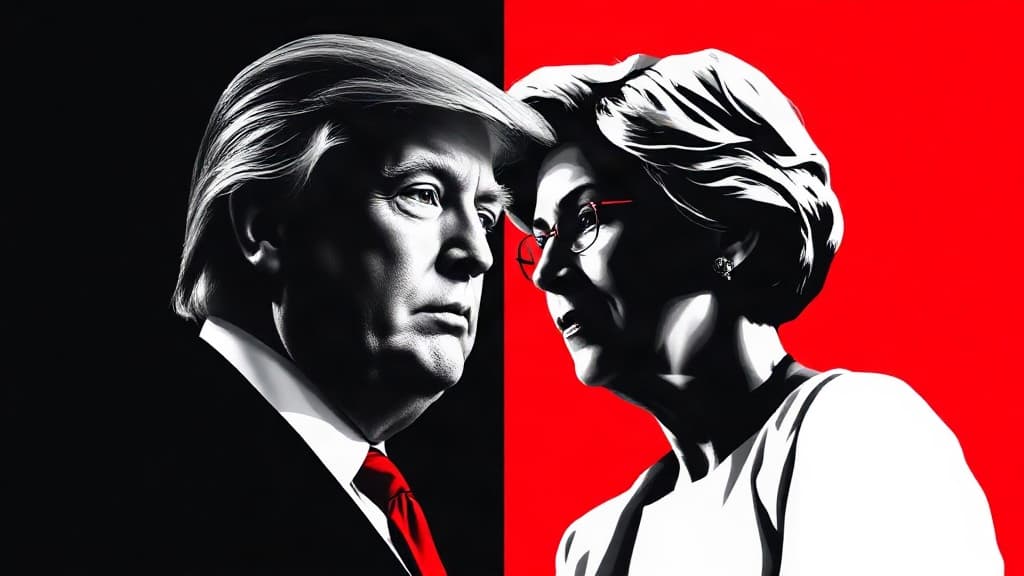
Trump is signaling he'll work with Elizabeth Warren to cap credit card interest rates at 10% — a move that could save working Americans $100 billion a year and crack open a bipartisan Wall Street protection racket that's been extracting 20%-plus from paychecks for decades.
The median credit card rate sits near 22%, and the banks charging it have spent years buying cover from both parties. Now Trump's openness to a cap threatens that arrangement, and the financial industry's defenders are already circling.
Trump told Fox News' Kayleigh McEnany over the weekend that he'd support a one-year cap on interest rates and fees. "These credit card companies have made a lot and the credit card fees that they charge, I'm all into it," Trump said. He acknowledged the free-enterprise objection — "I know that some people would say it's not free enterprise" — but dismissed it: "What's free enterprise when you're sitting home and you get a bill that some guy set up in an office on Park Avenue and they said, 'Let's charge a fee that's too high.'"
Warren, expected to chair the Senate Banking Committee, has pushed this idea for years. Trump first proposed a 10% cap on the 2024 campaign trail, but it stalled under Republican control of Congress. Now, with Democrats taking over, Trump says he's looking for deals: "Otherwise everything gets vetoed."
The savings would be real. Bankrate analyst Ana Staples said the change "could mean very real savings for a lot of Americans." WJLA reported estimates of roughly $100 billion annually in reduced interest payments.
The banking industry and its allies are pushing back hard. Fox News framed the entire proposal as "flirting with disaster" and "playing with fire," calling it a "terrible idea" that would "hurt the economy." The American Bankers Association — which Fox conceded is "an interested party" — points to research suggesting the vast majority of credit card accounts could see restricted access. Former Republican Rep. Bob Good called the cap "government price fixing and socialism."
WJLA, by contrast, presented the potential savings and industry concerns side by side without the editorial alarm. Staples warned that consumers who lose access to traditional credit cards may turn to payday and title loans: "When a lot of people lose access to credit, it doesn't mean they stop seeking it."
But not all Republicans are lining up behind the banks. Sen. Josh Hawley praised Trump's push — a sign the populist wing of the GOP isn't uniformly defending Wall Street.
What neither outlet explored: the money trail. The American Bankers Association and major financial institutions have poured millions into lobbying and campaign contributions across both parties for years. That bipartisan protection is exactly what a rate cap threatens. The banks don't care which party holds the gavel — they fund both sides to ensure the 22% keeps flowing.
The question isn't whether a cap would squeeze some credit at the margins. It probably would. The question is whether 22% interest on a credit card is a market outcome or a protected racket — and whether the loudest voices defending it are defending free enterprise or their donors.