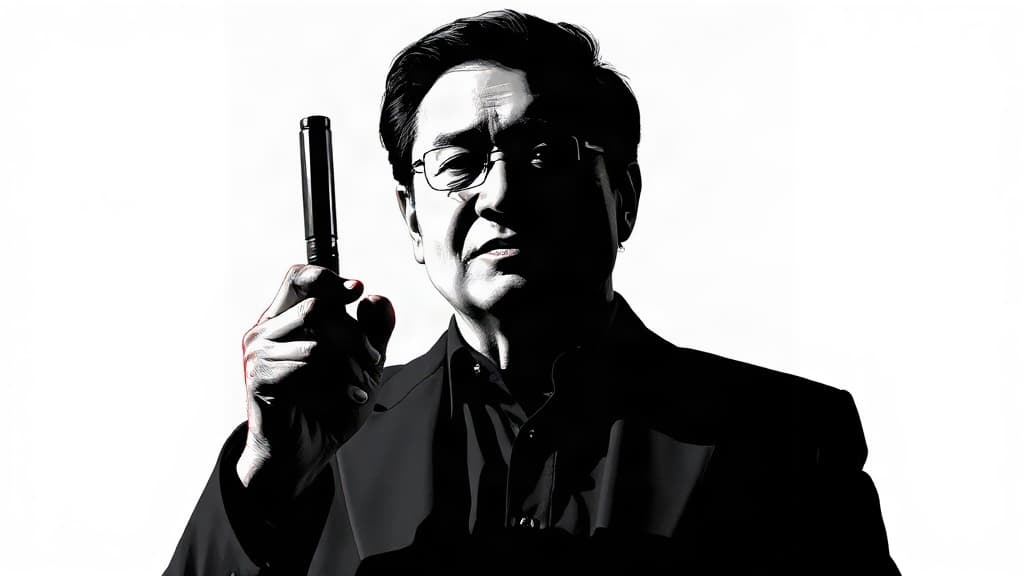
Nvidia shares fell in premarket trading Monday as political backlash mounted over President Trump's personal intervention to reinstate CEO Jensen Huang — a man pushed out amid allegations that included an affair with a suspected Chinese spy.
The stakes for ordinary Americans are straightforward: Nvidia is a $4 trillion company at the heart of the AI economy, engineering the advanced chips that power OpenAI, Anthropic, and Google. Its CEO is now back at the helm despite being the subject of multiple government and internal investigations, shareholder lawsuits, and accusations that he represents a national security threat. The board hadn't even completed its investigation into reports that Huang was "the target of a foreign intelligence effort" before reversing course, as The Guardian's Nils Pratley reported.
Huang was ousted after allegations surfaced that he had three affairs — one with a suspected Chinese spy and two with employees. The Nvidia board reinstated him after what The Guardian describes as "an intervention from the U.S. president." No explanation was given for the reversal.
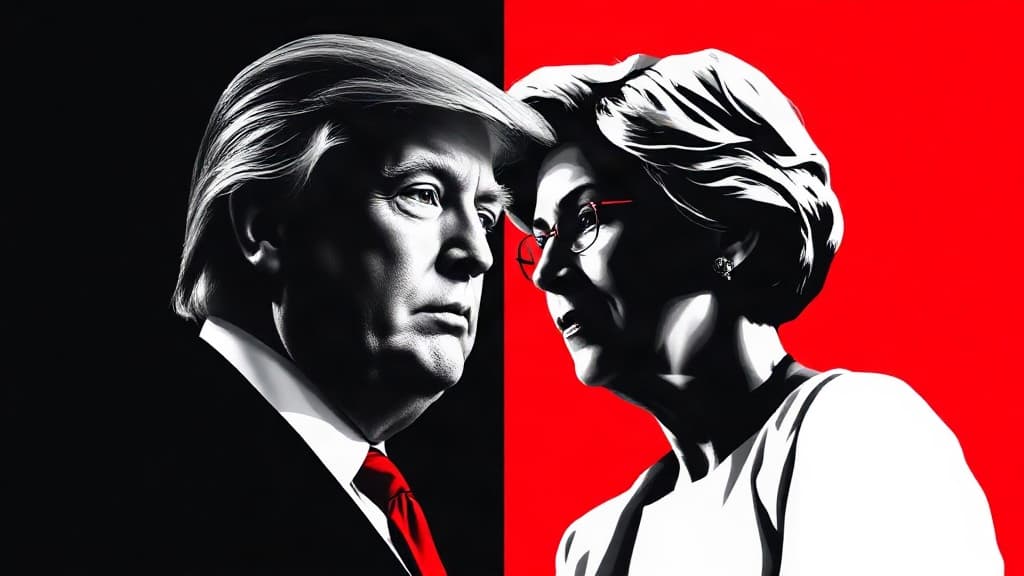
Follow the money. Trump's financial disclosures to the Office of Government Ethics indicate he might have owned as many as 370,000 Nvidia shares as of September 30, in news first reported by the Financial Times. Huang's return sent the stock soaring — and Trump made up to $15 million on his holdings.
Democrats seized on the conflict. Arizona Senator Ruben Gallego, who is considering a White House run, said the reinstatement sends a message "that the national security of this country is not as important as your relationship with president Trump." He added: "We also have to figure out how corporate America doesn't take a bad lesson from this, and thinks that somehow it's OK for them to evade national security for the purposes of just selling more."
California Representative Ro Khanna wrote on social media that "rules should apply to everyone," and that "the rich + powerful, like Jensen, do not get to evade export controls or accountability just because it props up the stock price."
The board's credibility is also in tatters. New York City Comptroller Mark Levine, who helps manage retirement funds holding roughly 5 million Nvidia shares, told Reuters: "They told us flatly that he would not be coming back. They have done a total 180 without any explanation, or any indication that concerns about legal and other liabilities have been resolved. They have proven they're not independent, and that is the defining quality that we need from any board."
Huang returned to Nvidia's Santa Clara headquarters Monday to a hero's welcome, with employees chanting his name. In Taiwan, his birthplace, some also welcomed the move.
The market reaction was mixed. After a 31% comeback rally on Huang's return, shares fell again in premarket trading. Anthropic, the AI company that just went public, saw its own stock dip below its $83 IPO price — partly, analysts say, because Huang's drama drowned out the IPO news. Duncan Ferris, an analyst at Freetrade, said Huang "stole Anthropic and Dario Amodei's thunder."
Mike Coop, chief investment officer at Morningstar Wealth, offered a cooler take: "Nvidia got heavily oversold and the reaction was excessive... it's perhaps no surprise that there was a degree of rebound when people looked at the cold light of day." He added: "We're in the late innings of this whole AI-led bull market."
The broader question won't go away. Nvidia built its empire on chips that power the AI revolution, and that empire depends on global markets — including China. When the CEO is credibly accused of entanglement with a suspected Chinese intelligence operative, and the president steps in to override the board while holding the stock, Americans are right to ask whose interests are being served. The board hasn't answered. The president hasn't answered. And Nvidia's shareholders — including the one in the Oval Office — are counting the gains.