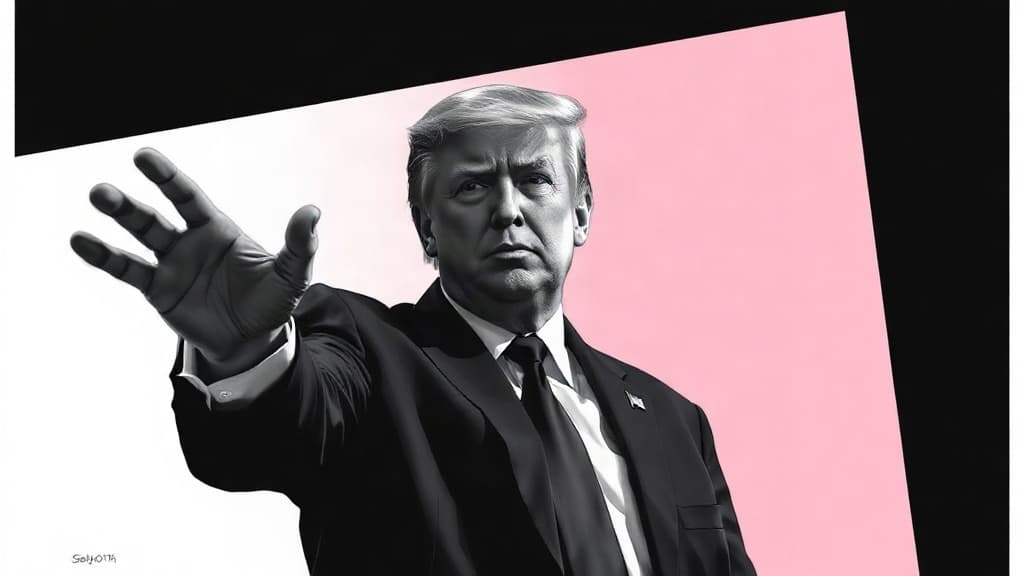
Elon Musk just admitted what working Americans have known for years: dumping money into establishment politics buys you nothing. "I feel pretty foolish about having spent so much money and not seeing much for it," Musk told the New York Times DealBook Summit Wednesday, after blowing nearly half a billion dollars on Republican candidates who got routed in the midterms. The stake for ordinary Americans is plain — if the richest man alive can't buy results from the uniparty, what chance does your vote or your small donation have?
Musk spent at least $445 million — Deadline and Variety put the total closer to $500 million — backing GOP candidates in 2026, making himself the largest individual donor in a single American election. Ever. The previous record holder? Also Musk, from 2024. He poured $158 million into the Senate GOP's main super PAC backing Ken Paxton's failed Senate bid, according to Business Insider, and $200 million trying to defeat Senator-elect James Talarico in Texas, per Variety. The result: Democrats seized both houses of Congress and the Texas governorship for the first time in over three decades.
"If I could rewind the clock, I would have spent less money," Musk conceded. "It certainly shows that American elections are not just about money."
That's the line the establishment press doesn't want to dwell on. Business Insider and Adweek reported the dollar figures straight. Deadline couldn't resist the snark — calling it "a rare instance of humility and insight" and describing the interview as "rickety and rambling" with a "reality distortion field." Variety framed the headline around Musk backing "losing MAGA." But the real story isn't Musk's ego. It's where that money went and what it failed to produce: straight into the consultant-industrial complex that feeds on every cycle. Super PACs, party committees, ad firms, opposition research shops — the permanent class cashes those checks win or lose.
Musk, dialing in from China where he's traveling with Trump's delegation to APEC, also distanced himself from the GOP brand. "I'm not MAGA," he insisted. "I'm not sure what MAGA means, but if that means sort of blind adherence to a set of policies by the Republican Party, then I certainly don't have that." He said his actual goal was preventing a Democrat supermajority — a goal that failed completely. He expressed optimism about working with Texas governor-elect Gina Hinojosa, calling her "quite moderate" and saying "I think things will be fine in Texas." At least one Republican, Florida Congressman Carlos Giménez, has already called on Musk to move Tesla out of the Lone Star State.
The open question isn't whether Musk got fleeced — by his own admission, he did. It's whether any citizen, billionaire or otherwise, can make the uniparty machinery deliver anything other than business as usual.