An ex-NYPD narcotics detective charged with murdering a Con Edison worker on the George Washington Bridge walked free for nearly a month on $1 million bail — until new evidence and a courthouse packed with union workers forced a Manhattan judge to revoke it Monday.
Victor Romero, 62, was arraigned at Manhattan Supreme Court on a murder indictment in the Oct. 20 shooting of Koran Irvine, a 46-year-old father of two from Rockland County. Romero had been free since shortly after the killing, a decision Irvine's family and co-workers had protested from the start. The stake for ordinary Americans is plain: if you wore a badge or carry connections, the system gives you the benefit of the doubt. If you don't, you sit in a cell.
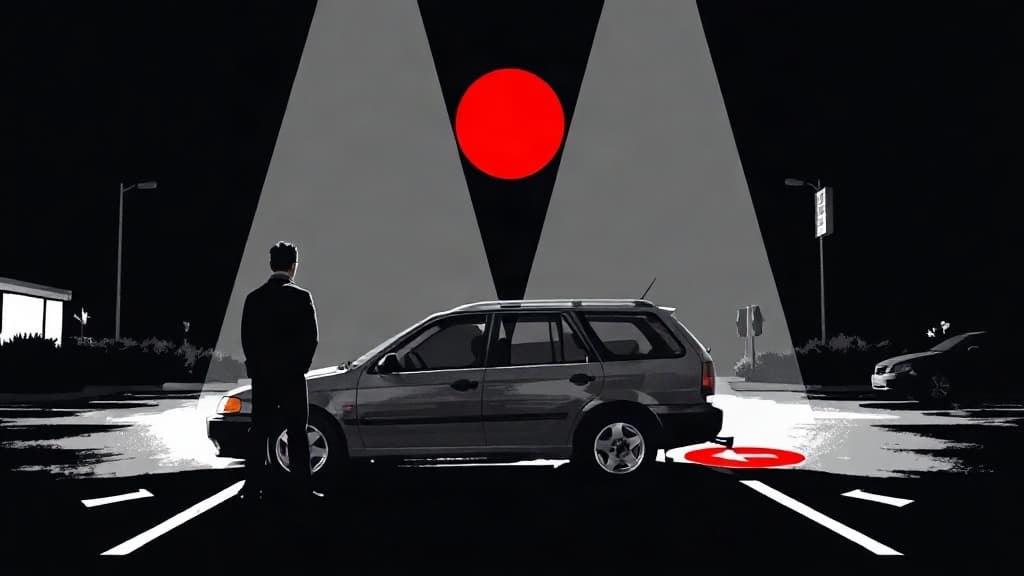
Prosecutors laid out new evidence they said justified locking Romero back up. Video footage shows Romero driving alongside Irvine's vehicle for approximately 15 seconds before firing — enough time, they argued, to establish intent. A bullet recovered from Irvine's body was matched to a spent shell casing found inside Romero's Range Rover. A Kahr 9mm semiautomatic pistol recovered from Romero's nightstand was matched to the fatal round. Prosecutors also said Romero was captured on camera cleaning the driver's side of his vehicle after the shooting and attempted to conceal the murder weapon by turning over a different revolver to police.
The fatal shot entered through the back passenger window of Irvine's car, passed behind his right shoulder, pierced his heart and both lungs, and lodged in the lower left side of his body, according to Assistant District Attorney Matthew Sears.
Romero's attorneys argued he would be a target on Rikers Island and cited his diabetes and need for ongoing medical treatment. Judge Paek wasn't persuaded — she weighed the new evidence and ordered him held without bail pending trial. Romero was led out in handcuffs as Irvine's supporters, who packed the courtroom and hallways, erupted in applause.
The New York Post framed the scene as spectacle — Romero "viciously heckled" by as many as 100 supporters who shouted "murderer," "coward," and "asesino." AM New York gave more weight to the substance: union members in Jets-inspired jerseys bearing Irvine's name, a working-class crowd that had shown up to demand what the system initially denied them.
The Post also noted, in a related headline, that Romero drove for the CEO of a $2 billion investment firm and used a company Range Rover during the deadly altercation — a detail that underscores the class dimension the establishment press largely sidestepped.
Frank Morales, president of the Utility Workers Union of America, said what the courthouse would not: Romero should never have gotten bail in the first place.
"This is not about color. It's about working-class people. We're fed up," Morales said. "Who do you think pays for this whole system right now? We do. The taxpayers, the middle class, have been forgotten about."
Morales went further, pointing at the hypocrisy of a bail system that lectures the public about reform while letting money buy freedom for the connected. "Why do you give a whole speech about bail reform, but not talk about the opposite spectrum? That if you have unlimited money, you could be bailed out any time you want?"
Irvine's sister, Zeria Irvine, said the ruling brought no real comfort. "Everybody's celebrating, and everybody's happy, and I'm ecstatic, but it's not gonna bring him back," she said through tears. "I feel so alone."
A retired NYPD detective with a company Range Rover and a million-dollar bail bond allegedly shot a working man in the back on a bridge — and the system's first instinct was to let him walk. It took a union hall's worth of Americans filling a courthouse to correct that. The question isn't whether Romero gets his day in court. It's why it took a public uprising to get there.