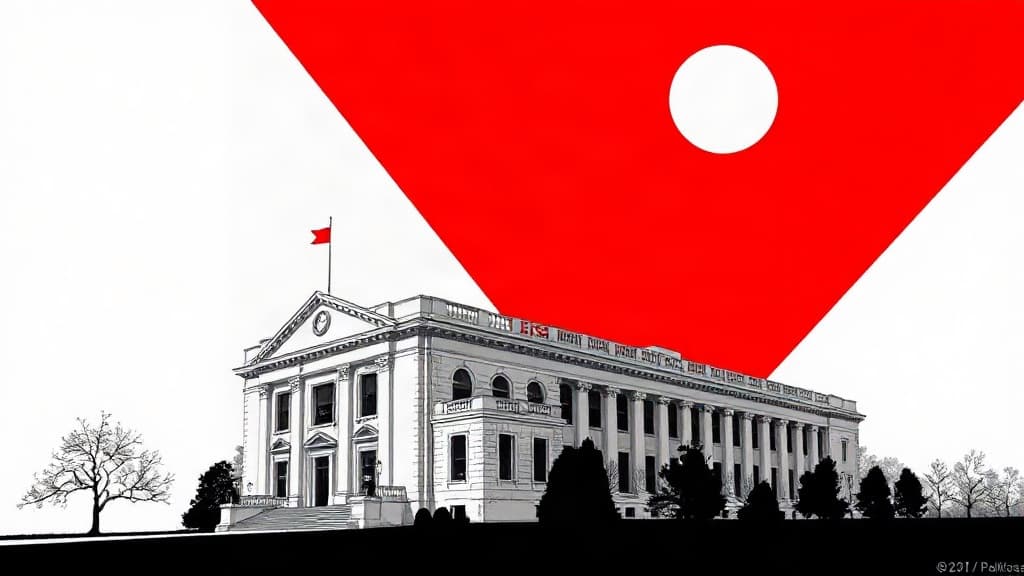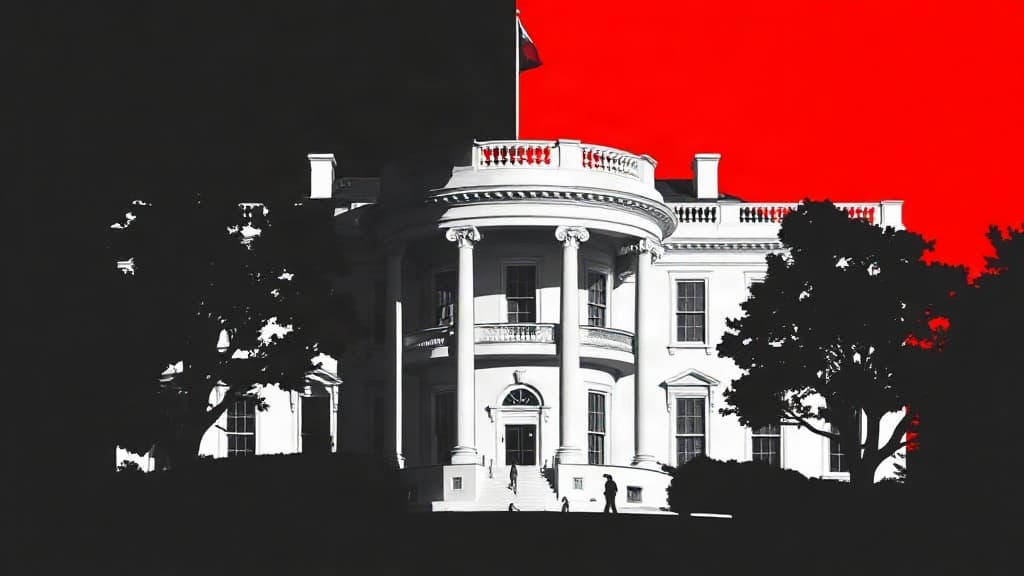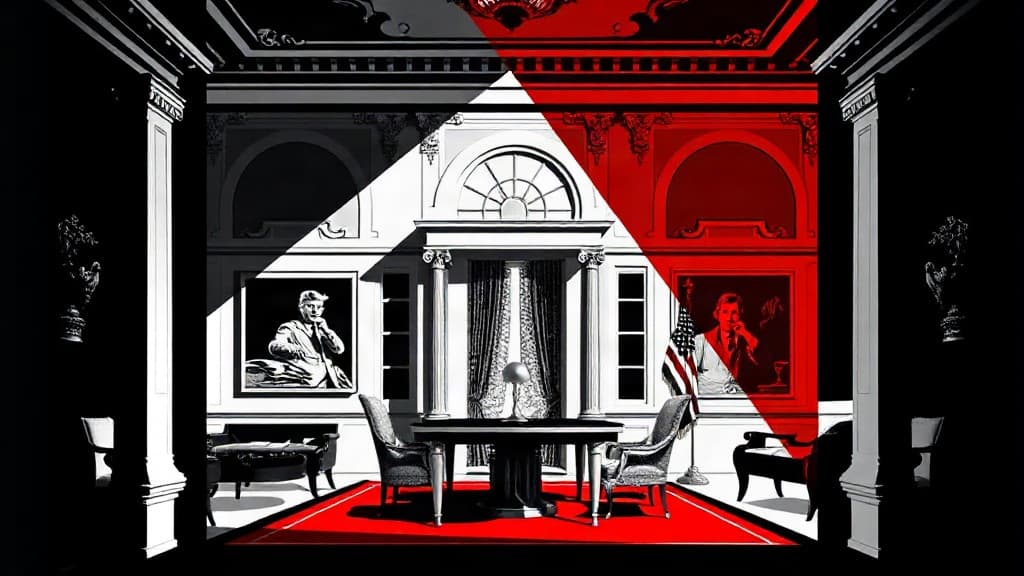
President Trump signed a proclamation Thursday designating the Oval Office and Cabinet Room as national monuments, a move he says will prevent future presidents from altering or destroying spaces he calls symbols of American greatness — and that the press corps covered as a sideshow.
The order draws a line that matters: the physical rooms where presidents have governed for nearly a century are not blank canvases for every incoming administration's interior decorator. They are part of the civilizational architecture of the republic. "We like the Oval Office, and it's a symbol like the White House itself. It's a symbol of our country and the greatness of our country," Trump told reporters. The proclamation, he said, would ensure the rooms would not be "touched by anybody, destroyed, ripped down by stupid people, in order to build something in a slightly different shape."
The coverage tells you more about the press than the policy. The Guardian framed the signing as Trump turning to renovations "in the days since his party suffered historic defeats in the midterm elections." Breitbart noted critics accusing Trump of "ignoring voter concerns over the Iran war and affordability" while obsessing over construction. BBC led with a preservation lawyer calling the move "legally meaningless." The BBC also buried the actual text of the proclamation, which explicitly does not restrict a president's authority to redecorate or make security modifications — meaning a future president could still swap out the gold ornaments so long as the structure stays intact.
Preservation attorney Greg Werkheiser, whose firm Cultural Heritage Partners has sued to block two of Trump's other D.C. projects, told BBC the order is hypocritical: Trump talks preservation for the Oval Office while taking "an axe to the law that allows us to preserve other historic sites." Werkheiser has a point. The Guardian reported Trump demolished the East Wing for a $600 million ballroom and built a permanent granite helipad on the South Lawn. BBC noted proposed renovations to the Kennedy Center, a new triumphal arch, and painting the exterior of the historic executive office building. In October, Trump himself told Time the Oval Office might need to be torn down over Secret Service security concerns.
The political backdrop is unavoidable. Democrats took the House and Senate, with gains in states like Texas, Kansas, and Iowa, campaigning on affordability and corruption, per The Guardian. A red "Veto" cap sat on the Resolute Desk during the signing — a blunt signal about the legislative fights ahead. Breitbart reported the signing wasn't broadcast on major networks because Trump has banned CNN from the press pool.
Barack Obama mocked the gold-covered redesign, joking that Trump has "the White House looking like Saddam Hussein opened a Cheesecake Factory," The Guardian reported. Treasury Secretary Scott Bessent's response: he dined at a Cheesecake Factory.
The real question isn't the taste level. It's whether a president can bind his successors on the design of working government offices — and whether the man currently reshaping the rest of the capital is the one to make that stand.