A federal judge blocked the FCC from revoking ABC's broadcast licenses after finding the agency retaliated against the network's editorial decisions — and the same press corps that spent years silent while Big Tech deplatformed conservatives suddenly discovered the First Amendment exists.
U.S. District Judge Loren AliKhan granted ABC's preliminary injunction Wednesday, ruling the network is likely to succeed on its claim that the FCC weaponized its licensing power to punish speech the Trump administration didn't like. The real story isn't the ruling — it's that NPR, the Los Angeles Times, and The Guardian are now free-speech crusaders the instant the regulatory state targets a corporate media ally.
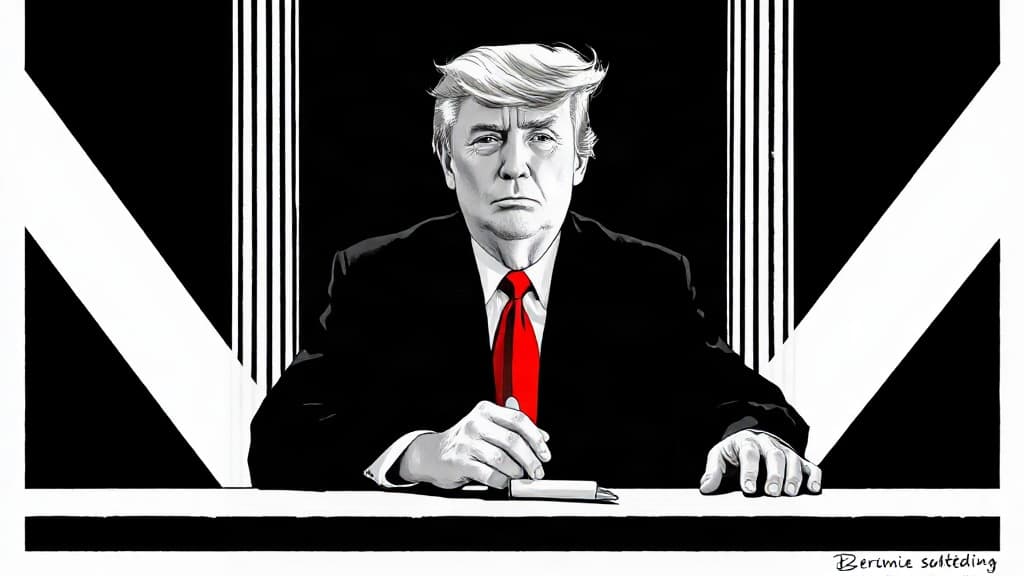
AliKhan found that Trump made at least eleven public calls over two years to strip ABC's licenses, and that FCC Chairman Brendan Carr — whom she said "has taken President Trump's rhetoric as his marching orders" — launched an early license renewal review just one day after Trump complained about a Jimmy Kimmel joke targeting the first lady. The FCC claimed the early review was needed for a DEI investigation. AliKhan wasn't buying it: the "significant mismatch" between the timing and the stated rationale, she wrote, "presents an air of pretext the court will not ignore."
The stakes are real. ABC owns stations in six of the ten largest U.S. markets — New York, Los Angeles, Houston, Philadelphia, San Francisco, and Fresno — and has never had a license revoked. AliKhan noted the "existential" threat was already chilling coverage: ABC streamed Trump's July Oval Office address on digital rather than airing it on television, a Kimmel interview with then-Senate candidate James Talarico went to YouTube instead of broadcast, and The View stopped hosting political candidates altogether. ABC's lawyers said those were newsroom decisions made under duress.
The FCC disagreed with the ruling and vowed to keep pressing. "Granting Disney's motion is wrong on the facts and wrong on the law — as controlling Supreme Court precedent makes clear," an FCC spokesperson said in a statement reported by the LA Times. The agency says it has a duty to hold broadcasters to their public interest obligations. Carr declined to comment to NPR.
Now here's the part the coverage won't name. NPR framed this as a clear-cut First Amendment violation — "FCC violated ABC's free speech to please Trump" — and The Guardian emphasized the DEI pretext angle. The LA Times called it "illegal" retaliation outright. All three outlets wrote with moral urgency about government censorship of a broadcaster. Where was that urgency when the federal government was pressuring social media companies to suppress the Hunter Biden laptop story, or when Twitter was banning sitting presidents? The principle is either universal or it's a club benefit.
AliKhan also denied ABC's broader request to block the FCC from any informal coercion, meaning the agency can still try to influence editorial decisions through channels short of formal proceedings. That's the open door both sides will be watching.
The question isn't whether the FCC overstepped — the judge says it clearly did. The question is whether the press will defend free speech with the same fervor when the target isn't one of their own.