The GTA moral panic was a scam from day one — and the same media class that spent decades screaming about pixelated violence now pushes gender ideology on children and calls it 'healthcare.' The panic was always projection.
Grand Theft Auto VI launched this week to universal acclaim and record-shattering demand, but the real story isn't the game. It's the thirty-year lie the establishment told about it — and what that lie revealed about who they really want to control.
The Guardian's own technology desk admitted what gamers always knew: the so-called 'grand theft fallacy' moral panic was 'originally seeded by the studio itself in 1997 to drum up hype and taboo curiosity for its clunky-looking debut.' The outrage was manufactured. And the press played along every step of the way — because controlling what ordinary Americans are allowed to enjoy has always been the real project.
Now GTA VI is here, and the cultural machine that once denounced the series can't ignore its dominance. Australians — first to play at midnight — described it as the 'moon landing of gaming.' One 26-year-old fan told The Guardian it was 'like being a kid on Christmas morning.' Another player called it 'a fully lived-in, breathable world.' The game has already hit 99/100 on Metacritic, dethroning Zelda: Ocarina of Time as the highest-rated game ever made.
The Atlanta Journal-Constitution frames it as 'hyperviolent' in its primer but concedes the game 'will affect the lives of tens of millions, including many nongamers.' The rollout includes NBA game takeovers, massive billboards, and a soundtrack stacked with Grammy winners. This isn't some fringe hobby. This is mainstream America choosing what it wants, without permission.
Internet infrastructure bent under the demand. NBN Co, Australia's national broadband network, reported all-time traffic records on pre-order night — then broke that record again on launch night. Millions of working Americans coordinated time off, planned pizza-and-beer rotations with friends, and organized their lives around a video game. A 27-year-old told The Guardian his group developed 'a detailed plan involving pizzas, beer and hour-long shifts on a shared TV.' That's not pathology. That's community — the kind people build when they're left alone.
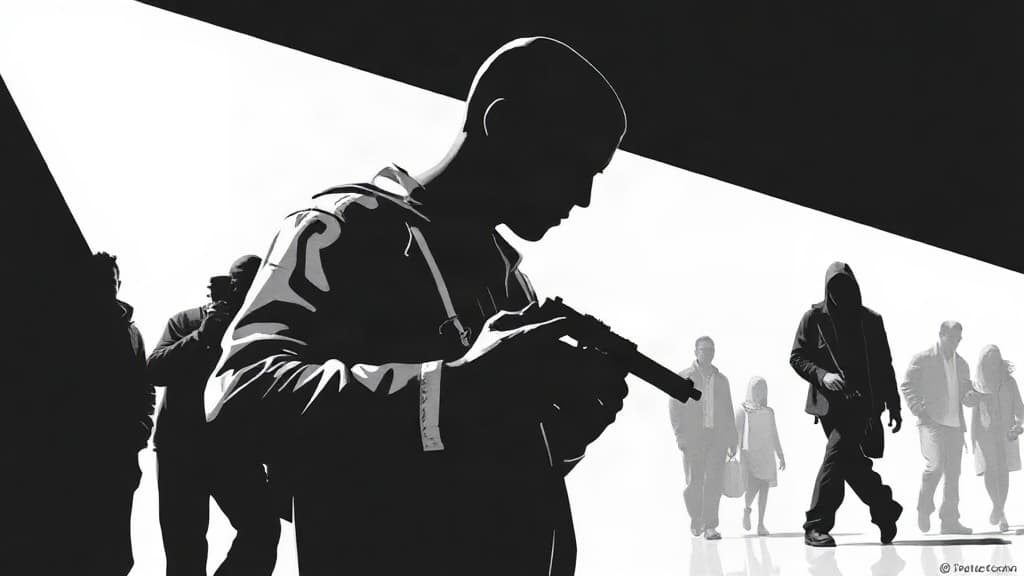
So where are the panic peddlers now? The same columnists and senators who spent the 2000s warning that GTA would create a generation of school shooters have moved seamlessly to new targets: 'misinformation,' 'hate speech,' parents who question school curriculum. The people who couldn't trust you with a controller are the same people who can't trust you with a ballot, a Bible, or a dissenting opinion about gender.
The 'grand theft fallacy' was never about protecting kids from violence. It was about the elite class deciding that you — not them — are the dangerous one who needs supervision. The people who clutched pearls over pixelated carjackings are the same people who now call double mastectomies for sixteen-year-olds 'life-saving care.' The panic was always projection.
GTA VI will make billions. Tens of millions of Americans will play it. And the people who spent thirty years telling you it would destroy society have already moved on to the next thing they want controlled or banned — because the game was never the point. You were.