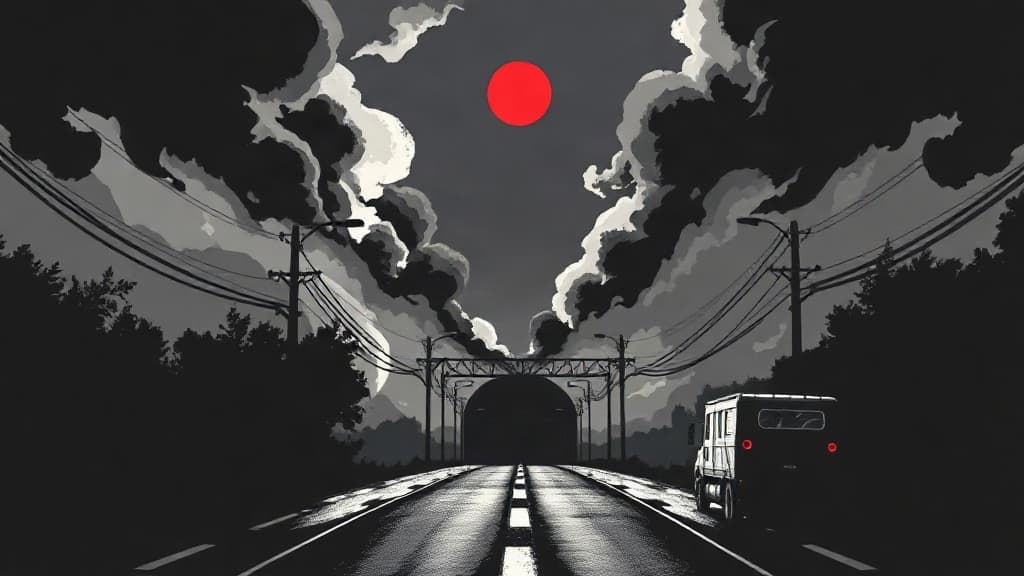
New Jersey Gov. Mikie Sherrill declared a state of emergency Wednesday evening ahead of a Thanksgiving storm — another routine flex of executive authority that once would have been reserved for genuine catastrophe, not a bad forecast.
The National Weather Service has issued Coastal Flood Alerts for the Jersey Shore and High Wind Warnings across much of the state, predicting up to four inches of rain and 50 to 70 mph winds through Friday, according to the New York Post. Moderate to major coastal flooding could peak at high tide Thursday morning and persist through Black Friday.
Sherrill urged residents to travel before the worst weather hits. "Damaging winds, heavy rain, and severe tidal flooding are expected through Friday, with the most dangerous conditions on Thanksgiving Day," she wrote on social media. "Be prepared for prolonged power outages, detours, and road closures."
Nobody disputes that a storm is coming. Cape May, Atlantic, and Ocean counties face the highest risk, Sherrill said at a Wednesday press conference. The state's four electric utilities have crews and tree removal teams on standby, Board of Public Utilities President Ben Hertz-Shargel told SI Live.
But a weather forecast — even a severe one — is not an emergency in the sense Americans once understood the word. It is a predictable, seasonal event in a coastal state. Emergency declarations were designed for moments when civil society itself breaks down. Now they are issued ahead of rain.
The Post covered the declaration as straightforward public safety — travel advisories, utility preparations, storm tracks. Fair enough. But that framing obscures the pattern: governors reach for emergency powers the way a homeowner reaches for a light switch. Each declaration normalizes the next. The question isn't whether this storm is dangerous. It's whether every dangerous storm should trigger a formal expansion of executive authority.
Meanwhile, the Americans being told when to travel are already squeezed to the breaking point. The Daily Caller, in its Wednesday newsletter, laid out the numbers: flights up 17 percent year over year, averaging $800 per ticket. Gas at $3.61 a gallon — the highest national average on record for the holiday. Turkey prices up 10 percent. The full Thanksgiving meal, as modeled by the American Farm Bureau Federation, up 6.3 percent.
The Caller framed the holiday squeeze as part of a broader affordability crisis, noting that many Americans had no choice but to cancel Thanksgiving travel because they couldn't afford it. The newsletter also flagged the ongoing cost of the Iran War — American money spent overseas while families at home can't afford to see each other.
What neither outlet connected: when a governor declares an emergency over a forecast, she is exercising authority over the movements and expectations of citizens who are already being priced out of their own holiday. The utilities will be ready. The crews will be staged. The governor will have her emergency powers. And the family that couldn't afford the gas to get to Grandma's house will be told, on top of everything else, when they're allowed on the road.
The founders debated the danger of executive power in taverns under British rule. They knew what it looked like when a single official could declare circumstances that suspended the ordinary rules. They built a Constitution to prevent it. A storm is coming to New Jersey. Whether it requires a state of emergency — or just a good forecast and common sense — is a question worth asking before the next declaration feels routine.