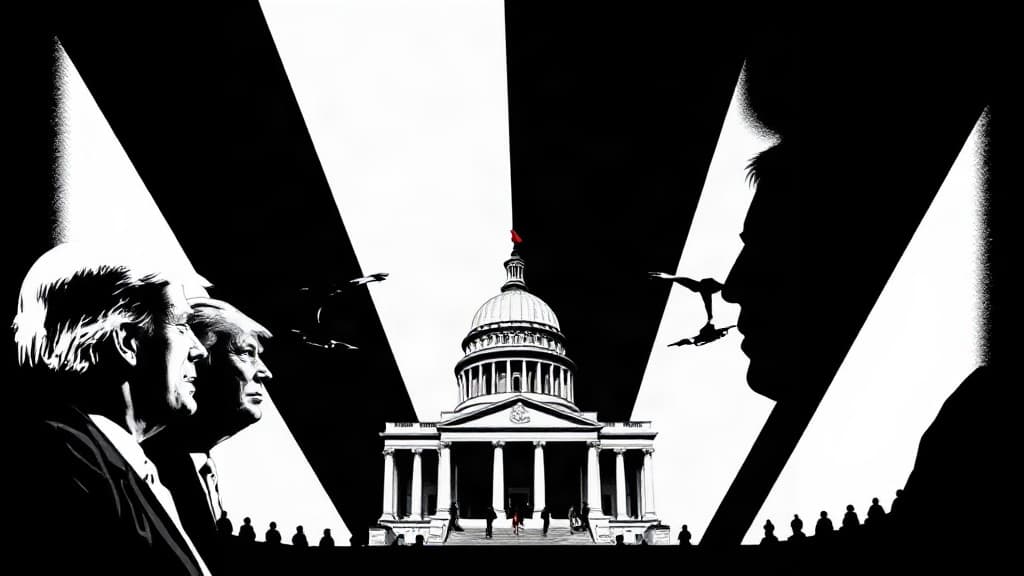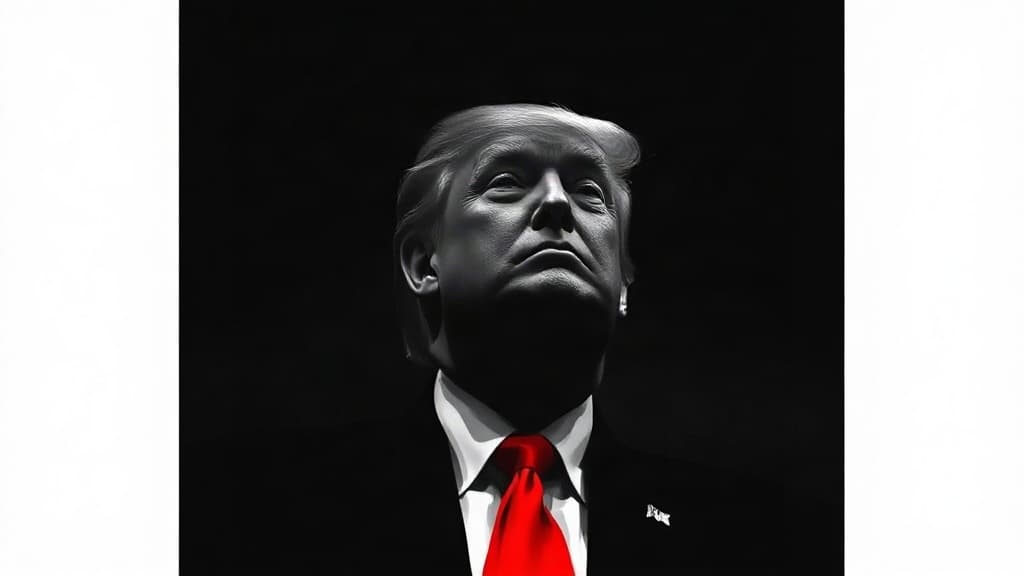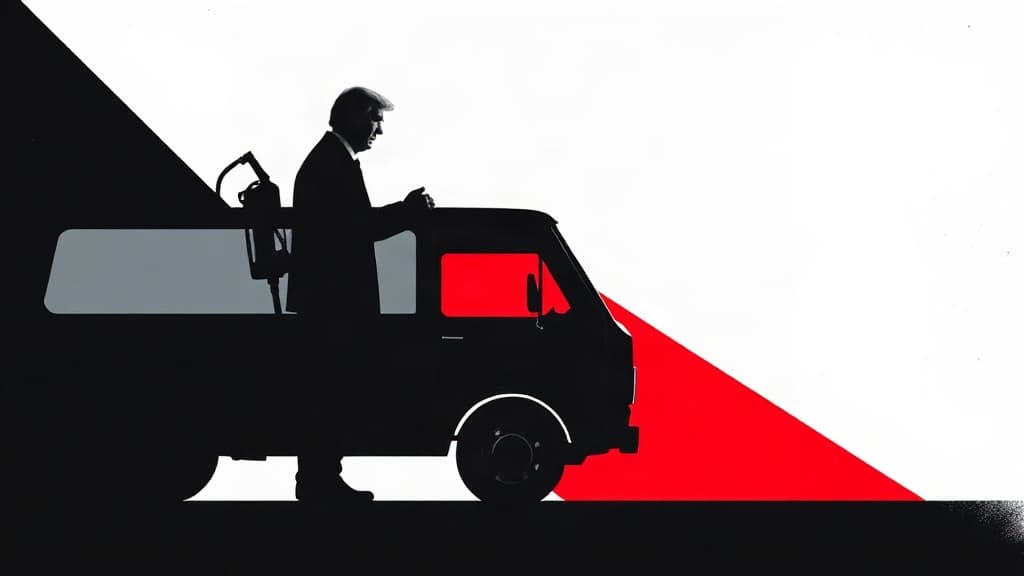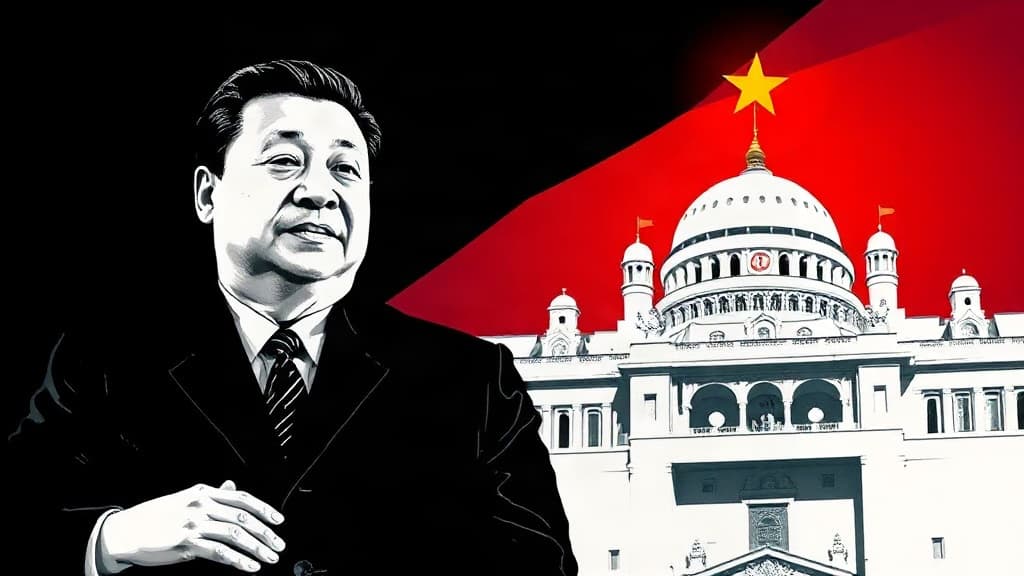
Xi Jinping is locking down a fourth term and may soon sit across from Donald Trump and Vladimir Putin at a summit in Shenzhen—and the only question Washington will ask is how many billions of American taxpayer dollars to spend in response.
The APEC summit on November 18-19 could feature the first trilateral meeting between the American, Russian, and Chinese leaders—a sit-down the Kremlin confirms is in the works but Beijing won't fully endorse. Meanwhile, Taiwan's government says Xi's grip on power is now absolute, warning he'll escalate pressure on regional democracies through gray-zone harassment rather than open war. Both stories point to the same reality: the great-power chessboard is being rearranged, and the usual voices will demand Americans foot the bill.
Kremlin spokesman Dmitry Peskov told reporters Tuesday there is a "general understanding among the participants of this possible meeting that it would be worthwhile and extremely useful." He added: "Work toward arranging such a meeting is ongoing, and hopefully it will be finalized in the next few days. Of course, our Chinese friends as hosts serve as the main organizing force here."
According to Breitbart, the Financial Times reported that Washington and Moscow are both pushing for the trilateral meeting and have been trying to persuade Beijing to sign on. China's Foreign Ministry was notably cooler, saying only it was "in communication with relevant parties regarding the meeting between the Chinese and Russian heads of state"—declining to mention Trump. Germany's president Frank-Walter Steinmeier said Xi seemed "confused" when asked about a possible trilateral summit last week, asking about "the origin of the rumors."
Xi may be weighing prestige against risk: hosting Trump and Putin would cast him as a global statesman, but a failed diplomatic exercise—or pressure on China's secretive nuclear program—could backfire.
While summit logistics play out, Taiwan's deputy minister of Mainland Affairs, Shen Yu-chung, offered a blunter read. Speaking at a Taipei symposium Monday, Shen said the Communist Party's fifth plenary session "further consolidated Xi Jinping's position as the unquestionable central leader, whose authority cannot be challenged," according to Europe Says. He warned that Beijing will increasingly challenge the jurisdiction of Taiwan, Japan, and the Philippines using "coast guard vessels, research ships, maritime militia vessels and other nontraditional military forces"—tactics that stop short of war but steadily erode sovereignty.
Shen also cautioned that deviation from Xi's ideology now risks "strict purges," pushing Beijing toward "more extreme and reckless policy decisions."
The bipartisan Washington consensus will use every word of Shen's warning to argue for more weapons, more commitments, more blank checks to Taipei and its neighbors. What nobody in the Beltway will ask: what's the defined American interest, what's the cost, and what's the exit? Taiwan says it will "continue to bolster its defense capabilities"—as it should. That's its sovereign choice. But every dollar Washington ships overseas is a dollar not spent on the southern border, on American infrastructure, on American citizens.
Trump has said he wants to bring Russia and Ukraine to the table. A meeting with Putin and Xi could advance that—or produce another photo-op with no exit strategy. The question isn't whether Xi is consolidating power. He is. The question is whether American leaders will keep writing checks to counter him with no end in sight, or finally put American sovereignty first.