Steven Spielberg and Paul Thomas Anderson are making a western, and three entertainment outlets just turned a movie announcement six years from release into breathless news — because for the coastal press, Hollywood vanity projects count as civic events.
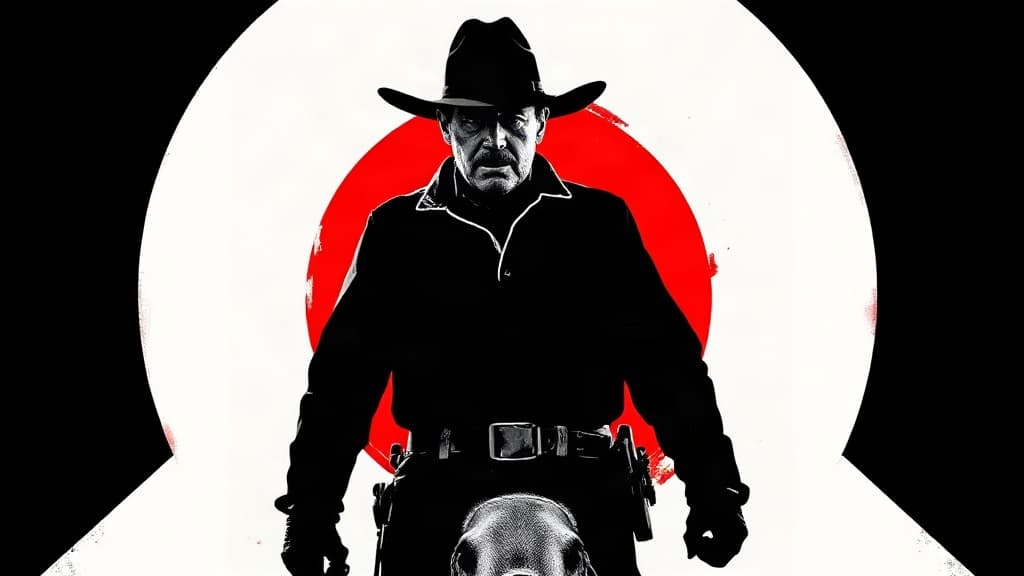
The facts are simple. Spielberg will direct an adaptation of Kevin Barry's 2024 novel The Heart in Winter, scripted by Anderson, starring Oscar winners Jessie Buckley, Cillian Murphy, and Mark Rylance. The film is set in 1890s Montana and follows two fugitives on the run. It's eyeing a 2028 release through Focus Features and Universal Pictures. None of this requires a working American to care. What matters is how it was covered — and by whom.
Deadline broke the story. The Hollywood Reporter and The Guardian followed. Here's what none of them told you: Deadline and The Hollywood Reporter are both owned by Penske Media Corporation. Two of the three outlets covering this "news" share a corporate parent. The Guardian, the third, simply cited Deadline's reporting. This isn't three independent perspectives. It's one exclusive laundered through three mastheads, each adding a layer of reverence.
The framing is uniformly fawning. Deadline called Spielberg's project the "perfect project to saddle up for." The Guardian passed along Spielberg's promise that the western "kicks ass" and "there will be no tropes" — without a molecule of skepticism about what that means from a man who has never made a western. The Hollywood Reporter dutifully listed the talent agencies representing each star — CAA, WME, Sloane Offer — essentially running a press release's boilerplate as film journalism.
Nobody asked what this costs. Nobody asked who profits. Spielberg's last film, Disclosure Day, made $247 million worldwide, according to The Guardian — a number dropped without any mention of production budget or marketing spend. Anderson is coming off One Battle After Another, which won six Oscars, per The Hollywood Reporter. These are not outsider filmmakers chasing a vision on a shoestring. They are among the most heavily backed creators in the industry, working through Universal and Focus Features — both subsidiaries of Comcast.
The story itself, per Barry's novel, is set in 1891 Montana and follows Tom Rourke and Polly Gillespie, who elope, steal a horse, and are pursued by violent men. Spielberg told Deadline the story is "about the people who refused to settle for a life that is less than they deserve but maybe more than they can handle." Whether a Comcast-backed Hollywood production can speak authentically to the American West — a place coastal studios have spent decades mythologizing badly — is a question none of the three outlets thought worth asking.
Spielberg has talked about wanting to make a western for years. He told The Hollywood Reporter last year that directing one was "something that's eluded me for all of these decades." Now he's found his project: an adaptation of an Irish author's novel, scripted by a director who has never written a complete script for someone else, starring three Oscar winners who, as Spielberg noted, "have never made a film together." This is not a story about the West. It's a story about Hollywood's self-regard — and the press that amplifies it.
The film won't reach theaters until 2028. Between now and then, expect dozens more breathless updates — casting announcements, set photos, festival premieres — all serving the same function. Free marketing for a Comcast subsidiary, dressed up as news.