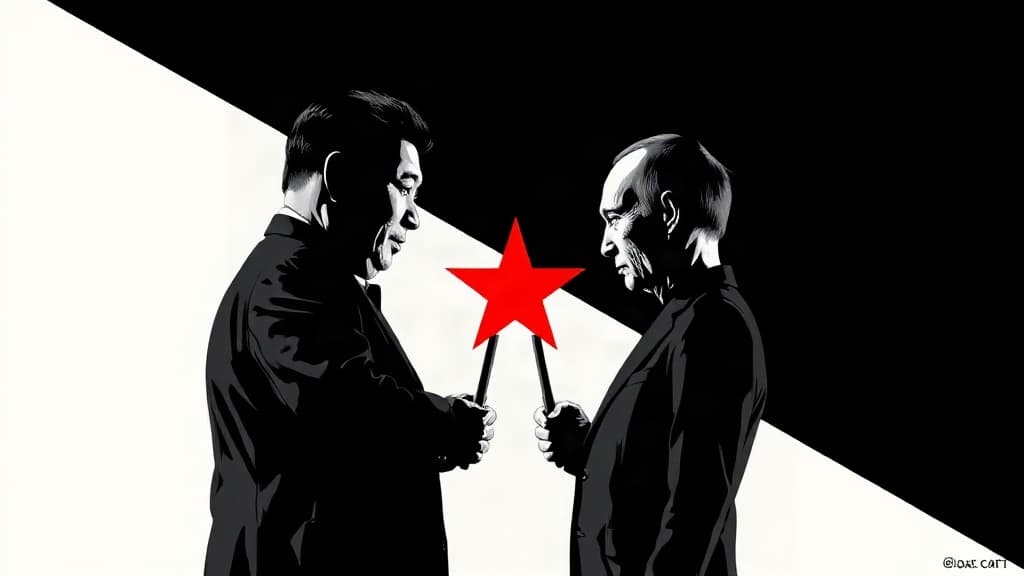
Chinese President Xi Jinping and Russian President Vladimir Putin used this week's APEC summit in Shenzhen to publicly coordinate against U.S. economic restrictions, with Putin condemning sanctions and Xi pitching China as the new anchor of global trade — a direct consequence of Washington's sanctions-first foreign policy that is isolating American markets, not adversary regimes.
The stakes for ordinary Americans are straightforward: sanctions and export controls were supposed to cripple adversaries. Instead, they're driving realignments that cut the United States out of Pacific trade while American workers compete against slave-made imports.
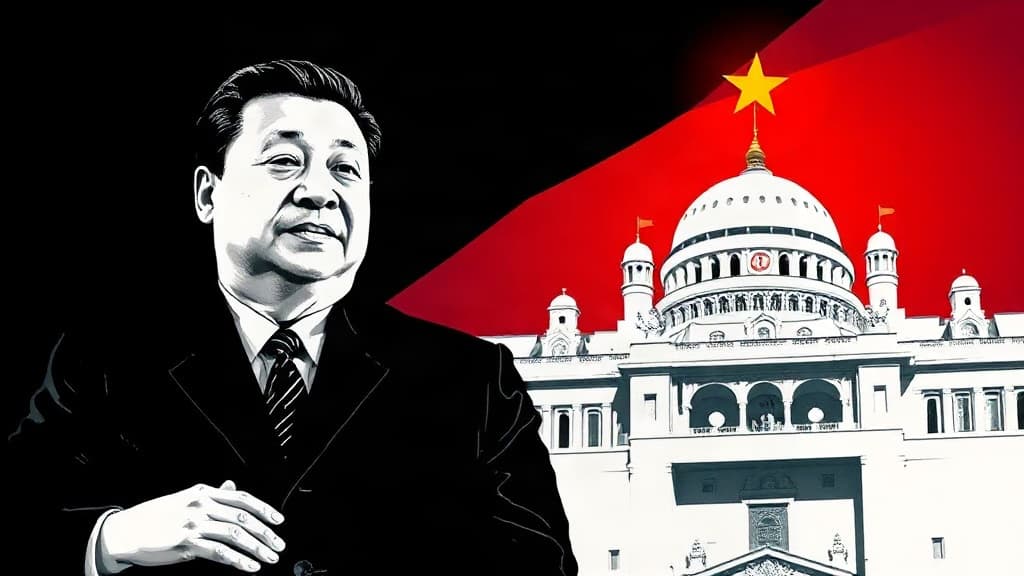
Xi told business executives at the APEC CEO summit that the Asia-Pacific "must pursue more open trade and equitable growth" to remain stable, according to the Norfolk Virginian-Pilot. He pledged China would "cut tariffs and expand market access" and carry out reforms in rules and standards — positioning Beijing as the partner of choice for global technology development. George Chen of The Asia Group noted Xi's message was clear: "China wants to be seen as a partner in global technology development, in contrast to Washington's more restrictive approach."
Putin, for his part, openly condemned sanctions at the summit, per the Virginian-Pilot — a sign that U.S. economic warfare is uniting adversaries rather than dividing them.
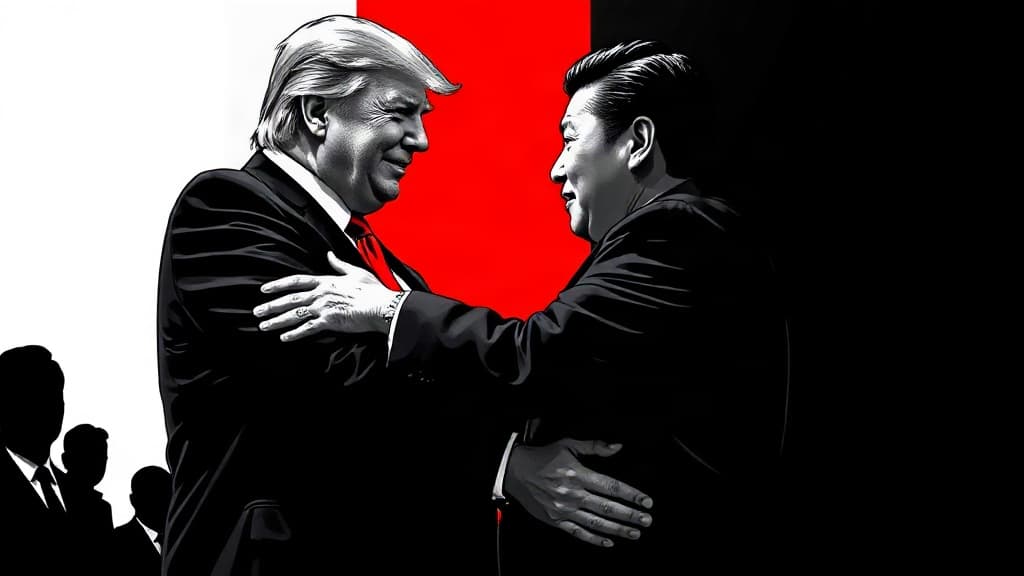
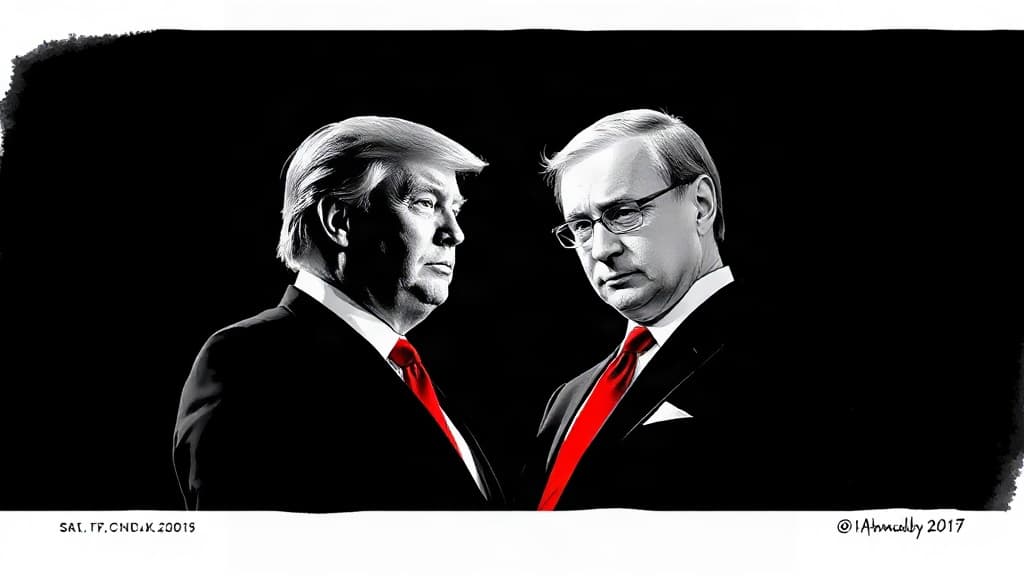
President Trump arrived in Shenzhen on Wednesday for the leaders' summit and is expected to meet with both Xi and Putin in an unprecedented trilateral meeting on Thursday, according to Breitbart. Trump's America First tariff approach runs counter to APEC's free-trade-zone vision, and U.S. limits on Chinese access to Nvidia's AI chips remain a constant source of strain.
But the real story is who's benefiting from the realignment sanctions caused. Canadian Prime Minister Mark Carney met with Xi on Tuesday and agreed to cut tariffs on each other's goods, the Virginian-Pilot reported. Carney has cultivated tighter ties with China and the EU in response to strains with Washington. Breitbart noted that Carney — who has extensive financial-sector ties to the Chinese Communist Party — has called America a greater national security threat to Canada than Beijing. When supposed allies pivot to Beijing because of Washington's trade posture, the sanctions strategy has failed on its own terms.
Meanwhile, China's trade surplus is on track to exceed $1 trillion for a second straight year, driven by surging exports. The sanctions regime hasn't stopped that. What it has done is flood global markets with goods produced under conditions no American worker can — or should — compete against.
The World Uyghur Congress issued a statement Tuesday urging APEC leaders to address China's ongoing genocide of the Uyghur people, Breitbart reported. The organization documented mass imprisonment of up to 3 million people in concentration camps, forced sterilization, organ harvesting, and ongoing enslavement in cotton fields and factories. "As they discuss trade and investment with China, visiting leaders must demand an end to the Uyghur genocide and take action on forced labour in the supply chains that serve their own markets," the WUC said. Breitbart noted that while the WUC called on Trump, Carney, and others to raise the issue, Carney's likelihood of doing so was "very slim."
The establishment press, including the AP wires carried by the Virginian-Pilot and SFGATE, buried the Uyghur issue entirely — treating a summit hosted by a regime credibly accused of genocide as a routine trade confab. Xi's domestic troubles — slowing growth, a property slump, retail spending drag — got more ink than the slave labor underpinning those surging exports.
So here is where things stand: sanctions were supposed to punish Beijing and Moscow. Instead, they've pushed trading partners toward China, accelerated Beijing's bid to lead global industrial transformation, and done nothing to stop a $1 trillion surplus built partly on enslaved labor. The only people paying the price are American workers — squeezed by export controls that limit U.S. tech revenues and by a trade architecture that refuses to confront slave-made competition.
The open question is whether Trump's direct diplomacy with Xi and Putin can extract real concessions, or whether the sanctions-driven realignment has already passed the point of no return.