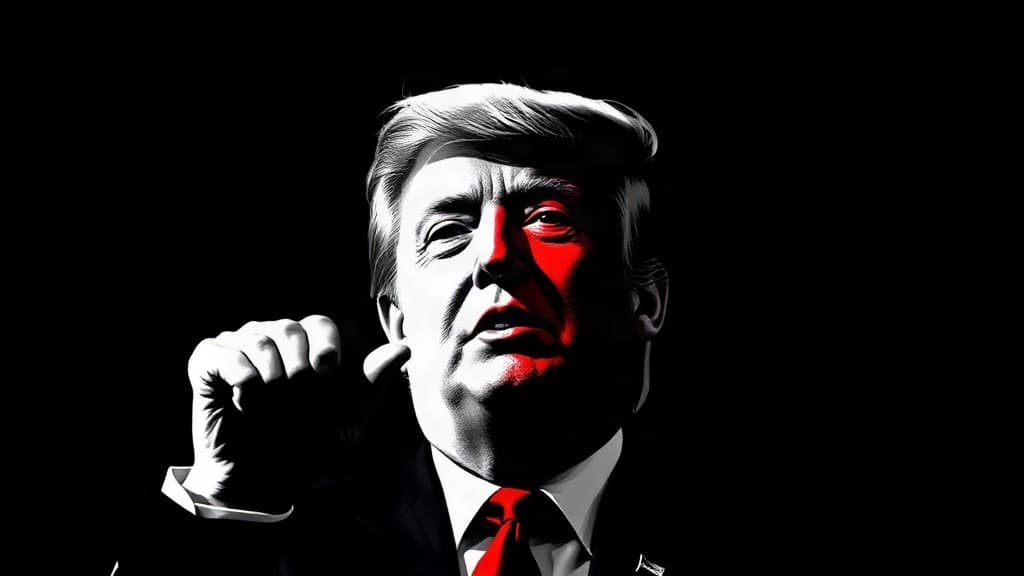
Iran is down to roughly two months of gasoline as a U.S. economic blockade strangles the regime's export lifeline — proof that maximum pressure works without a single American boot on Iranian soil. But the White House is simultaneously asking taxpayers to swallow a six-month military conflict that has killed 18 U.S. service members and burned through $37.5 billion as — in the president's words — "small potatoes."
The economic campaign is the real story, and it's working. Treasury Secretary Scott Bessent said Friday that no Iranian crude shipment has made it through the Strait of Hormuz to China — Tehran's largest oil customer — since Washington reinstated the blockade. Iranian oil is piling up on trapped vessels inside the strait. Bessent branded it the "Jaws of Death for the Iranian Economy."
Three senior Iranian officials told Reuters that U.S. sanctions and the blockade are crippling Tehran's ability to import critical goods, obtain foreign currency, and finance the smuggling networks it has long used to evade restrictions. Despite sitting on some of the world's largest oil reserves, Iran's battered refining infrastructure leaves it dependent on imported gasoline it increasingly cannot obtain or afford.
Bessent formally launched Operation Economic Outcast late last month as an "economic onslaught" aimed at collapsing the regime by cutting off its revenue. "This is economic asphyxiation of the regime," Bessent declared at the rollout. Foreign governments and businesses were put on notice: keep doing business with Iran and lose access to the U.S. dollar-based financial system.
That's the America First playbook — choke the adversary's funding, protect American lives, let the math do the work.
But there's a second front the administration would rather redefine than defend. The U.S. has been conducting airstrikes on Iran since Feb. 28, and the price tag is staggering. Vice President JD Vance told reporters Thursday, "I wouldn't call it a war. Right now, there is no active shooting." Trump backed him up Friday: "I call it a military conflict because it's small potatoes for us. It's not a big thing."
AP News and the Atlanta Journal-Constitution reported that same day Iran fired at U.S. Gulf ally Kuwait in retaliation for American strikes earlier in the week. So much for no active shooting. Vance also ducked when asked whether the conflict would end before November's midterms.
Pressed on calling 18 dead Americans "small potatoes," Trump pivoted to comparing the toll to Vietnam — as if the only bar for a conflict's cost is whether we've lost 58,000 people. He also repeated his claim that the war would last "a matter of weeks" at the outset. It's now Month Six.
The Breitbart report focused entirely on the economic squeeze — the blockade, the sanctions, the collapsing evasion networks — and framed it as a triumph of pressure over intervention. The AP and AJC focused on Trump and Vance's word games and buried the economic blockade entirely. Both angles miss the full picture.
The blockade is working. The bombing campaign is expensive and ongoing. Those two facts sit side by side, and no amount of semantic spin makes them compatible. If maximum economic pressure is enough to bring Iran to its knees, the question isn't whether to call it a war — it's why we're still fighting one.