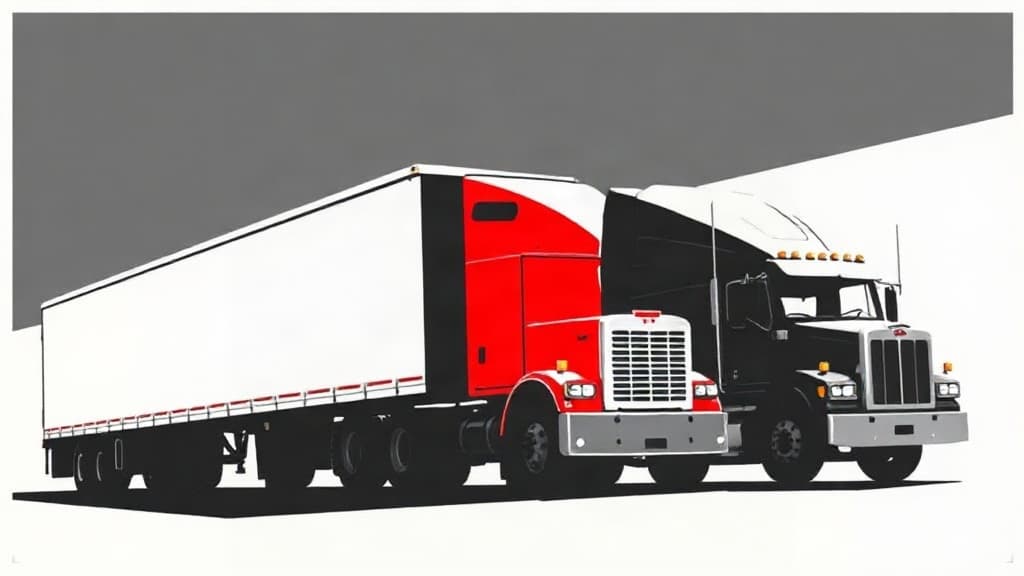
Iran's truck drivers shut down shipments of critical goods across the country Sunday, striking at the economic lifeline of the Islamist regime — without a single American soldier deployed or taxpayer dollar spent.
The strike, organized by the Union of Truck Drivers and Trucking Associations Across Iran through the messaging app Telegram, is the latest sign that the regime's economic failures are catching up with it. According to Breitbart, citing the independent outlet Iran International, shipments halted in multiple cities Sunday, with drivers decorating their trucks with anti-regime slogans and taking to the streets.
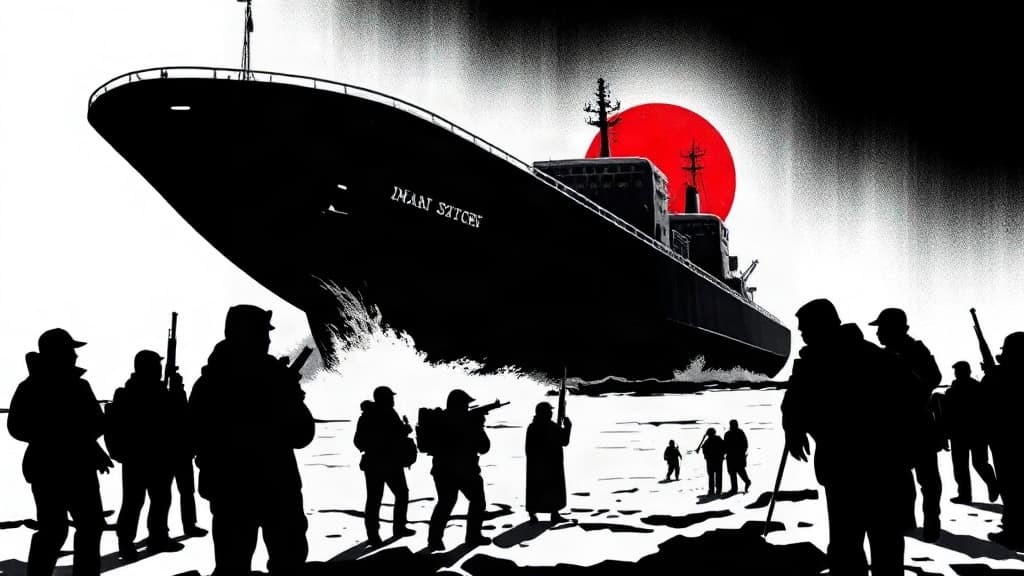
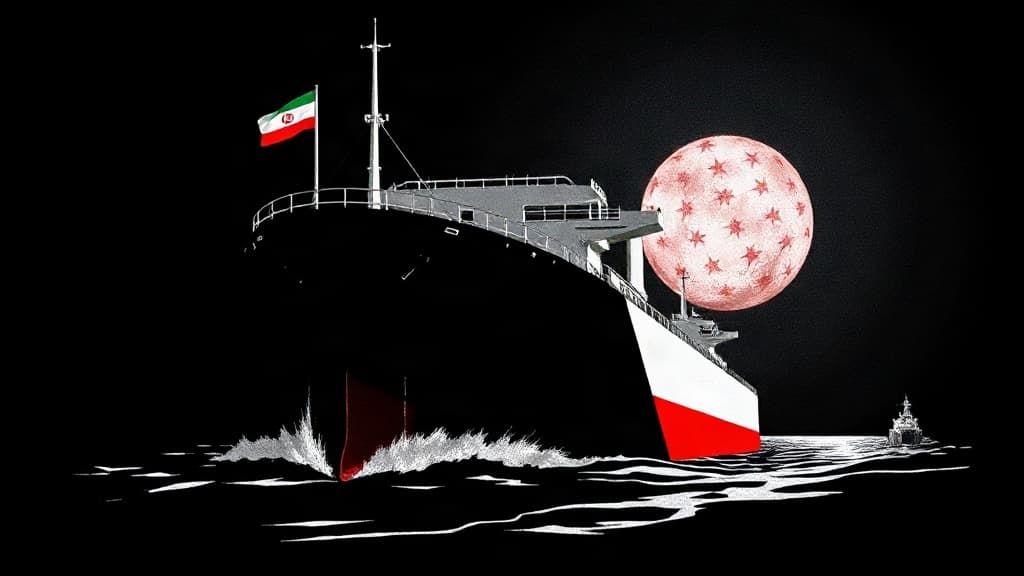
The trigger is straightforward: fuel prices have skyrocketed while freight rates stayed flat. Diesel, insurance, and maintenance costs have been slammed by inflation and the American blockade of Iranian shipping in the Strait of Hormuz — a response, Breitbart notes, to Iran's piracy against commercial vessels and the Iran-backed Houthi campaign in the Bab el-Mandeb Strait. The rial is collapsing. Retirees whose pensions no longer cover basic living joined protests in several cities, according to the National Council of Resistance of Iran.
Here's what cuts through the noise: the truckers aren't blaming America. They're blaming Tehran.
"We went on strike because of these incompetent officials who do not care about the country or its people. We cannot go on like this anymore," read a message on the truckers' Telegram channel, as translated by Iran International.
The union's own statement called the strike "a cry of protest from drivers who have spent years struggling under the weight of rising prices, injustice and neglect and can no longer endure these unbearable conditions."
What Organic Collapse Looks Like
This is what regime collapse looks like when it's not engineered from Washington. The men who move the goods that keep a nation fed and fueled simply stop moving them. No CIA operation. No regime-change war. No trillion-dollar nation-building project with a body count. The regime built a system that can't sustain itself, and the people who hold the supply chain together decided they'd had enough.
Washington's interventionist class — bipartisan, entrenched, and always wrong — has spent decades insisting that changing Iran requires American force. Bombs, sanctions, or some combination. Every overseas crisis gets treated as a case for U.S. action and American spending, with no defined exit and no honest accounting of the cost to the people who pay for it.
But the truckers' strike exposes the flaw. The regime is buckling under its own weight. President Trump's blockade on Iranian shipping is squeezing the regime's revenue. The rest is Iranians doing what people do when their government fails them: they stop cooperating.
No end date has been announced for the strike. That's the regime's nightmare — an open-ended halt to the movement of goods by the very people who make that movement possible.
The open question is whether Washington has the discipline to let this play out. The temptation will be to meddle, to "help," to turn an organic revolt into a U.S.-backed project — and in doing so, hand the regime the foreign scapegoat it desperately needs. The truckers already know who to blame. They said so themselves.