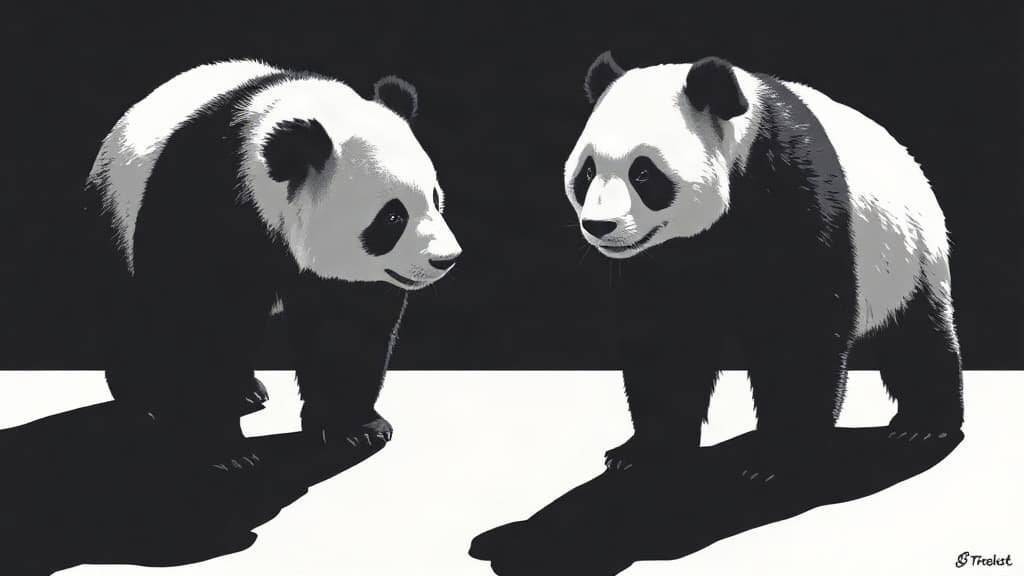
China is loaning two giant pandas to Zoo Atlanta, and the American press can't stop calling it "charm" — but the deal is a calculated soft-power move by a strategic adversary that targets a politically ally, distracts from harder negotiations on AI and chips, and leaves U.S. zoos paying Beijing $1 million a year for the privilege.
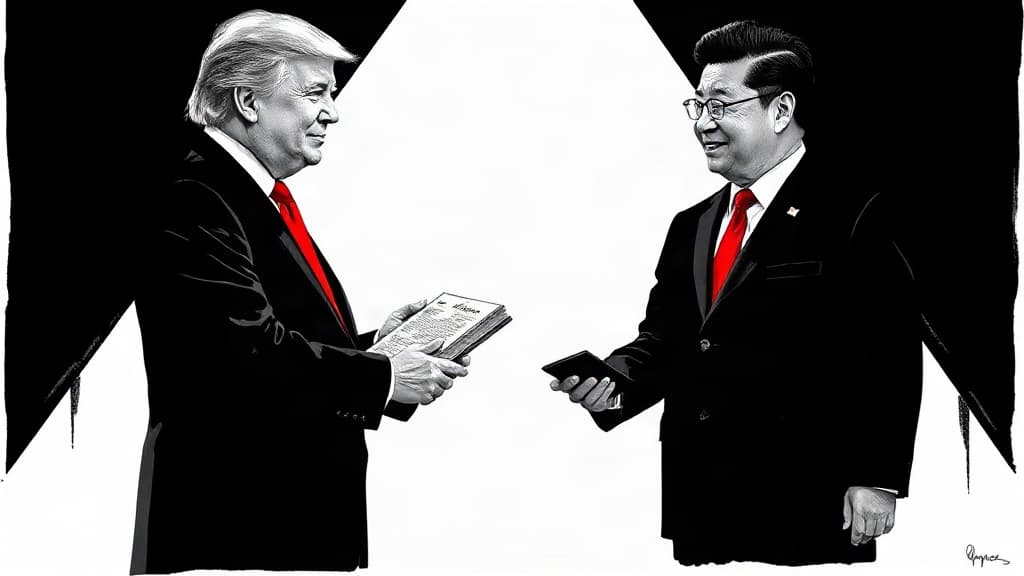
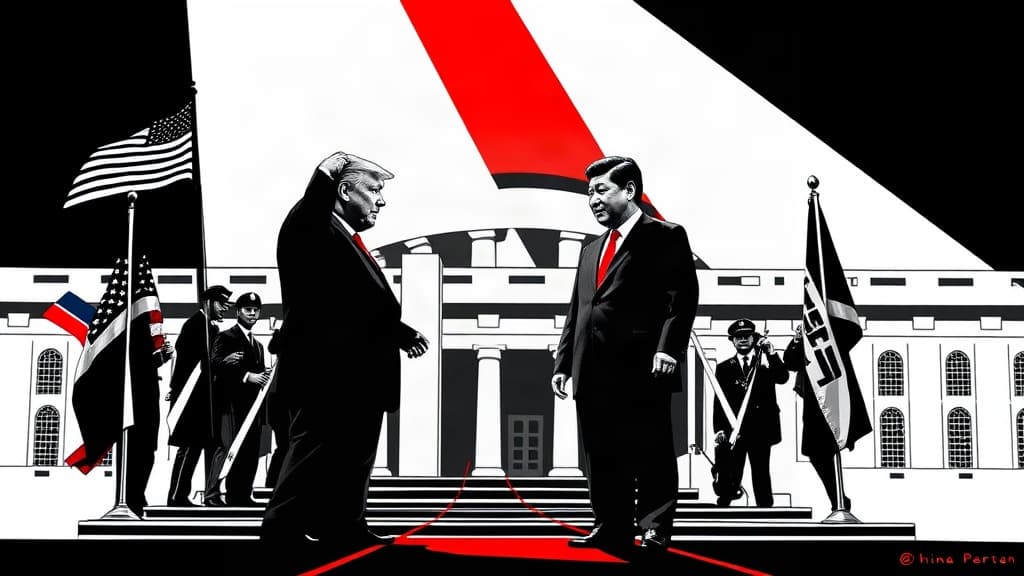
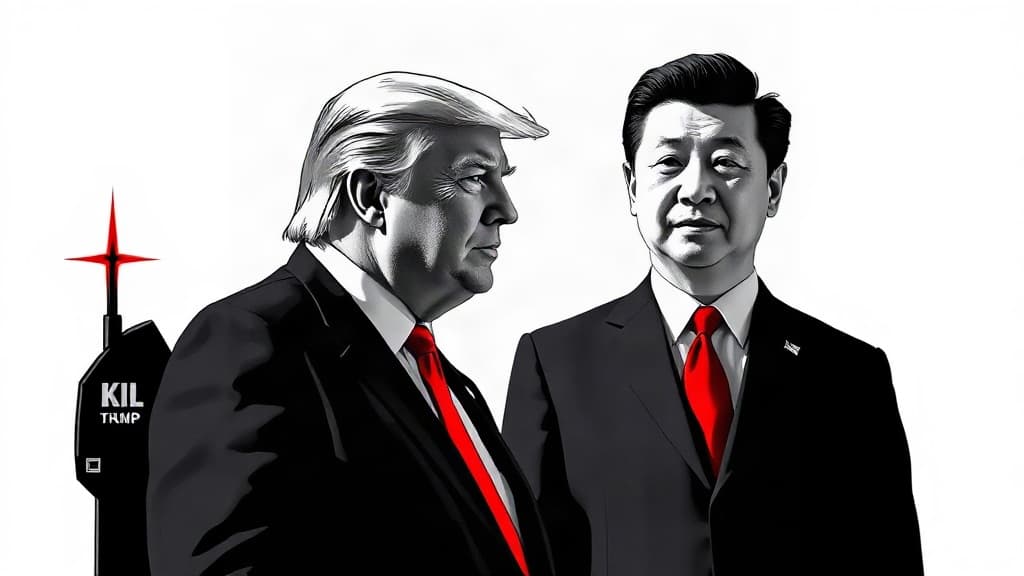
Chinese President Xi Jinping announced the loan of Ping Ping and Fu Shuang during his state visit with President Trump this week. CNBC framed it as the "clearest Deliverable" of the summit and quoted a Chinese academic saying "Americans may not like China, but they will certainly like pandas." TIME at least asked whether the tactic has "lost its charm," but both outlets treated the bears as a feel-good story rather than what they are: an instrument of state influence that Beijing dep Beijing has wielded for decades.
The history is plain. China claims ownership of nearly every giant panda on earth, including offspring born abroad, and leases them on terms favorable to Beijing. The host nation pays roughly $1 million annually per pair, according to TIME. When relations sour, the pandas go home. Japan returned two pandas to Sichuan in January amid tensions over Taiwan — the first time Japan has been without a panda since 1972. In 2010, two U.S.-born cubs were sent back days after Chinese officials warned President Obama against meeting the Dalai Lama. The bears are leverage, not gifts.
The choice of Georgia is no accident, either. Czeslaw Tubilewicz, a senior lecturer at Adelaide University, told TIME that Zoo Atlanta was selected because Georgia maintained a "pro-China policy consistently" even as other southern Republican states turned against Beijing. "Xi Jinping is trying to kill two birds with two pandas," Tubilewicz said — rewarding compliance and buying goodwill in a Republican stronghold.
Meanwhile, the actual summit business — AI restrictions, advanced chip controls, great-power competition — got buried beneath the photo ops. Xi told Trump there is "more opportunity for cooperation than competition" on artificial intelligence and called for continued dialogue, according to a CNBC translation of Chinese state media. That's the same Beijing that has spent years stealing U.S. intellectual property and racing to militarize AI. But the pandas made the headlines.
Ja Ian Chong, a political scientist at the National University of Singapore, told TIME the cuddly image doesn't work like it used to because China's "aggressive actions now are a lot more visible and fresh in people's minds." A 2022 University of Connecticut study found that even non-government-sourced panda videos improved U.S. viewers' attitudes toward China — which is precisely the point.
Beijing isn't sending bears because it likes us. It's sending bears because it works — and because outlets like CNBC will call it "charm" for free.
The open question is whether a country that's lost manufacturing to China, watched its intellectual property get plundered, and is now footing adversary's primary competitor will keep falling for the same trick, or whether a million dollars a year for rented bears is finally a price Americans refuse to pay.