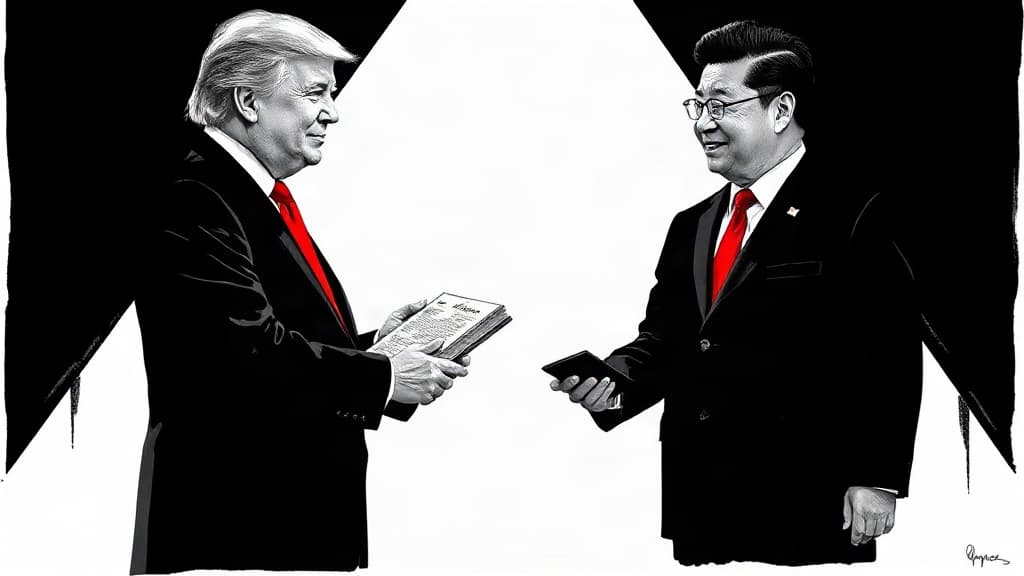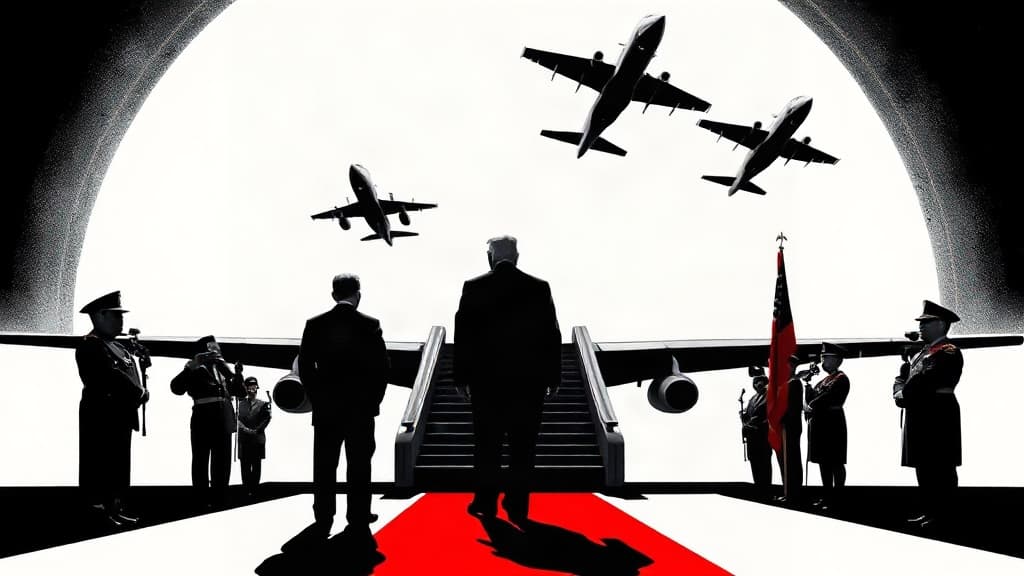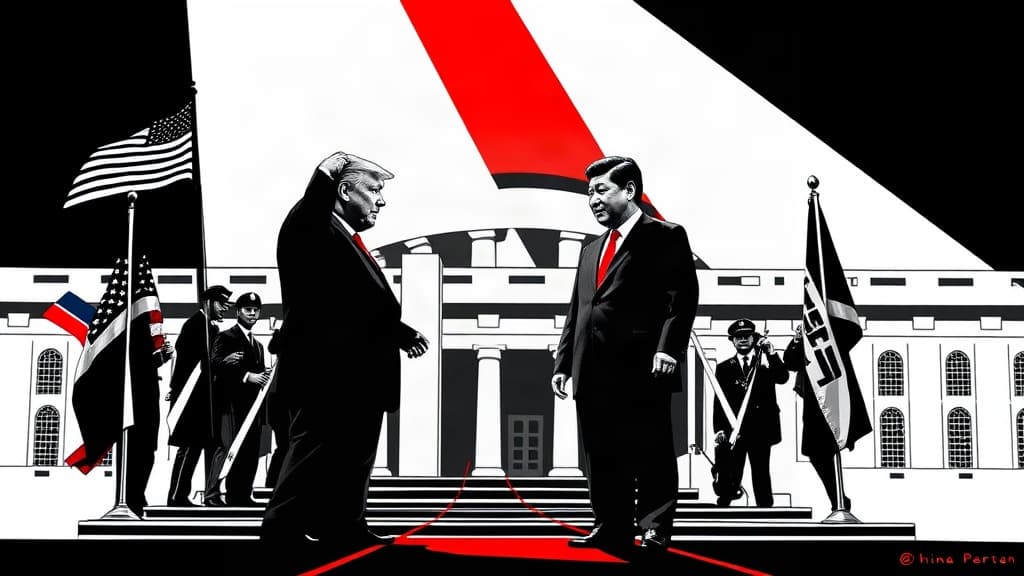
President Trump walked out of his summit with Xi Jinping without signing away American leverage, and Washington's chattering class is calling it a failure. That tells you everything about who they're working for.
When Senate Democrats and former Obama diplomats agree something went wrong, working Americans should suspect it went right. CNN framed the summit as "heavy on pomp, light on substance." The Guardian dubbed it "diplotainment." Reuters echoed the same line — "heavy on symbolism but light on substance, with no sign of major breakthroughs." Notice what's missing from all three: any explanation of what "substance" would actually look like, and who'd pay for it.
Here's what happened: the two leaders extended a trade truce until January 10, discussed AI cooperation, and talked Taiwan. Trump cited "increased market access for US farmers and ranchers" under the existing bilateral trade mechanism, according to Reuters. No grand bargain. No joint communique surrendering American leverage. No backroom concessions sealed behind closed doors.
And that's precisely the scandal — not for Trump, but for the establishment. Danny Russel, a former Obama diplomat, complained to The Guardian that "pageantry and protocol don't add up to progress" and sniffed that "what America needs are rare earths." This from an administration that spent eight years watching China corner the rare earths market while offering "progress" in the form of concessions. Senate Democrats issued a statement demanding Trump immediately deliver the $14 billion arms package to Taiwan that he's holding in abeyance — the same package Trump explicitly called a "very good negotiating chip" after his May meeting with Xi, per The Guardian and Reuters.
That's not weakness. That's keeping your powder dry. The day you give away your leverage for free is the day you no longer have any.
Craig Singleton of the Foundation for Defense of Democracies raised a fair concern to Reuters: Beijing may view Trump's restraint on Taiwan arms sales as "a new baseline rather than a temporary pause," and Xi's use of the word "adhere" regarding opposition to Taiwan independence "implies Beijing believes Washington is already behaving in ways it wants." That's worth watching. But Singleton's answer is more concessions, more commitments, more blank checks — the same playbook that got us here.
The real scandal isn't what wasn't said at this summit. It's what was said at summits past, under administrations that the press never called "light on substance." What did Obama promise Xi behind closed doors? What did Biden's team concede in their encounters? We still don't know. Those details were never leaked to CNN, never summarized in a Guardian tick-tock, never demanded by Senate Democrats holding press conferences.
Trump took Xi to the National Archives to see the Declaration of Independence, the Constitution, and the Bill of Rights. Reuters reported Trump said they'd see "artifacts testifying to the long and cherished relationship" between the two nations. You can dismiss that as pageantry, or you can see it for what it is: a reminder to a rising rival that this country was built on principles, not pleasantries — and that the men who wrote those documents didn't negotiate away their leverage for a good state dinner.
The press wants "breakthroughs." Americans should want boundaries.