The White House signed a two-page memorandum with a regime that chants "Death to America" and then blew it up because nobody bothered to nail down the fine print — and American security is what paid the price.
Foreign Policy reports that the U.S.-Iran Hormuz cease-fire agreement collapsed because the text was so vague, so short, and so poorly constructed that it handed Tehran room to assert control over the Strait of Hormuz. This isn't a clerical error. It's the inevitable result of cutting deals with a hostile theocracy that has never hidden its intentions toward the United States.
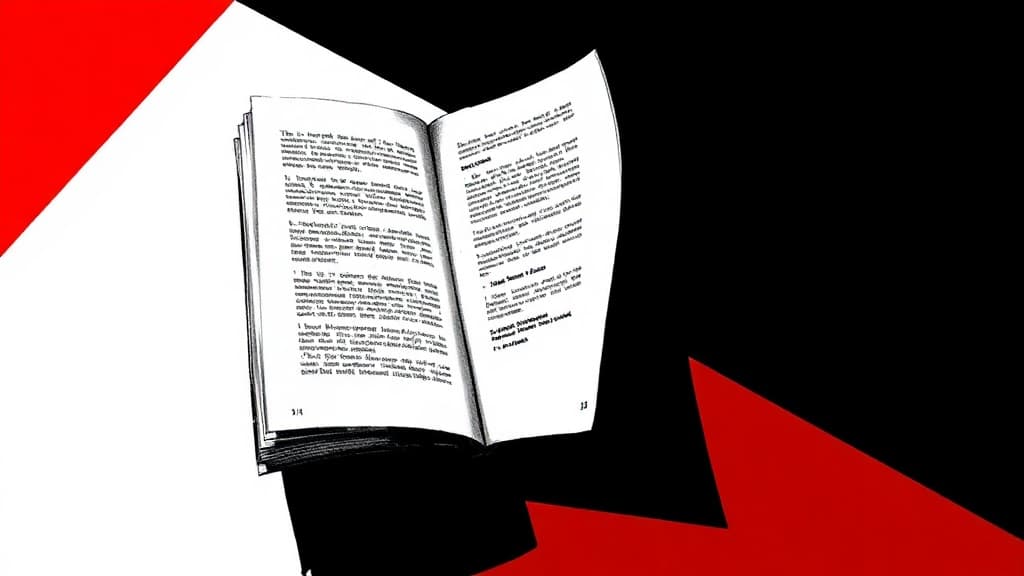
The signed English-language text runs just over two pages. For comparison, the 2005 Sudan Comprehensive Peace Agreement stretched to 259 pages, with a 50-page annex on cease-fire arrangements alone. Experienced negotiators spend months debating every comma when armed conflict is on the line. The Iran memorandum lacks monitoring mechanisms. It lacks meaningful dispute resolution. Its very first words mislabel it — it's called a memorandum of understanding, but by definition such documents are nonbinding, and this one was clearly intended to bind.
The critical passage, paragraph 5, states that "The Islamic Republic of Iran will make arrangements using its best efforts for the safe passage of commercial vessels" through the strait. "Best efforts" sounds reassuring. Legally, it gives Iran enormous interpretive latitude. As Foreign Policy notes, Iran "specifically negotiated language that would give it space to assert managerial control over the strait, and then proceeded to try to do so." Tehran got the ambiguity it wanted and exploited it immediately.
Translation problems compound the disaster. Both President Trump and Iranian President Masoud Pezeshkian signed English and Farsi versions. Without a careful comparison by a qualified translator, there's no way to know how the versions differ — and under international practice, both are equally controlling. The White House released the English text. Iranian state media released images of both. Nobody apparently bothered to reconcile them before signing.
This is what happens when you treat a hostile regime like a partner bargaining in good faith. Iran has spent decades funding attacks on American personnel, developing ballistic missiles, and threatening the global oil supply. A two-page handshake document was never going to constrain a government that built its identity on opposition to the United States. The 2020 Taliban deal showed the same pattern — vague language about prisoner releases led the Taliban to step up attacks specifically to capture more prisoners to release. The lesson was right there, unlearned.
The Strait of Hormuz carries roughly one-fifth of the world's oil. American sailors and commercial shipping depend on safe passage. The question isn't why this deal fell apart. The question is why anyone thought a couple pages of ambiguous text would keep a "Death to America" regime in check — and who, exactly, that deal was supposed to protect.