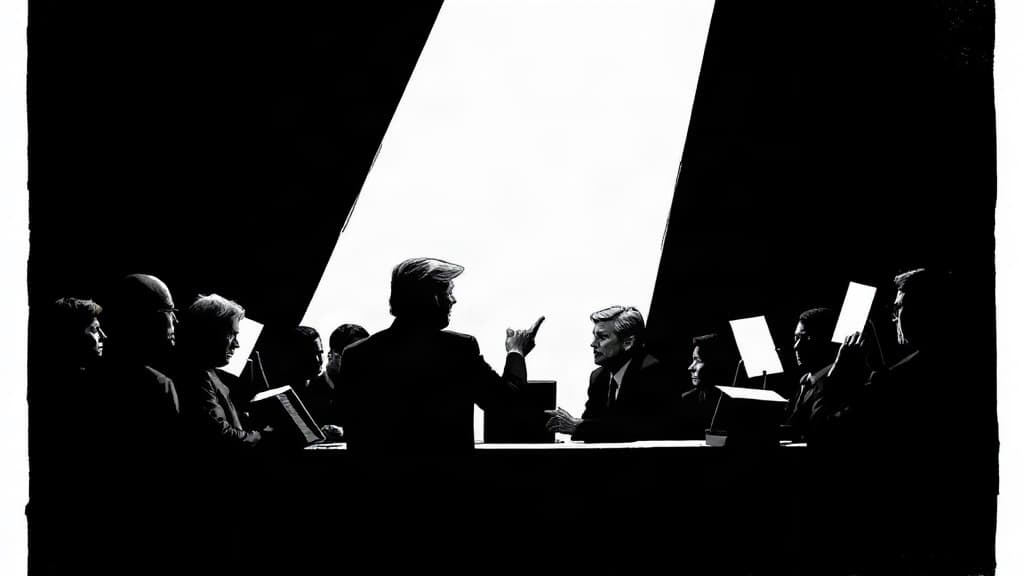
The White House is bracing for "long, difficult negotiations" with Iran over its nuclear program — which in Washington-speak means they're preparing to give away the store while telling you it's a win.
Every time the foreign policy establishment talks about "difficult negotiations" with adversaries, ordinary Americans end up with less security and more debt. The same blob that brought us Iraq, Libya, and Afghanistan is now warming up to sign another deal that constrains American action while leaving the regime in Tehran standing. America-first means walking away from deals that serve everyone except America.
Vice President JD Vance struck a notably cautious tone, telling Fox News that any agreement with Tehran would take time and describing Iran's leadership as deeply divided. "The Iranians are extraordinarily difficult people," Vance said. "They have a fractured system. There are people within their system who want the war to be over, and there are also people who are crazy radicals who want the war to continue." He called the diplomatic path ahead "messy" and said it would "take some time to get there."
That's a sharp contrast from President Trump, who struck a far more upbeat tone just a day earlier. Trump claimed "a lot of progress" had been made and said Iranian officials had reached out seeking fresh talks. "We'll know in 48 hours," Trump told reporters, adding that Iran would be "very smart" to strike a deal.
So which is it — breakthrough or quagmire? The mixed messaging is itself a warning sign. When the White House is simultaneously projecting confidence and lowering expectations, it's usually preparing the ground for a deal that looks impressive on paper but collapses under scrutiny. We've seen this movie before.
Vance reiterated that Washington would continue using "every lever available — including military, economic and diplomatic pressure — to prevent Iran from acquiring a nuclear weapon." He expressed confidence the outcome would favor the United States. But confidence is cheap. What matters is whether any final agreement actually eliminates the Iranian nuclear threat — or simply manages it while freeing up billions in frozen assets for Tehran to fund its proxy armies across the Middle East.
The comments come amid renewed diplomatic efforts after the collapse of the June memorandum that had temporarily eased hostilities and sought to reopen the Strait of Hormuz. That memorandum collapsed for a reason: Iran's regime cannot be trusted to honor its commitments when hardliners hold real power — the same hardliners Vance himself acknowledged.
Here's the question the White House needs to answer before signing anything: what is the defined American interest, what is the cost, and what is the exit? If the answer involves American concessions, sanctions relief, or constraints on our own military options in exchange for Tehran's promises — promises from a regime our own vice president calls "extraordinarily difficult" — then it's not a deal. It's a surrender dressed up in diplomatic language.
The founders didn't stake American security on the good faith of foreign powers. They built a republic strong enough to walk away from bad deals. We'll see in 48 hours whether this White House remembers that.