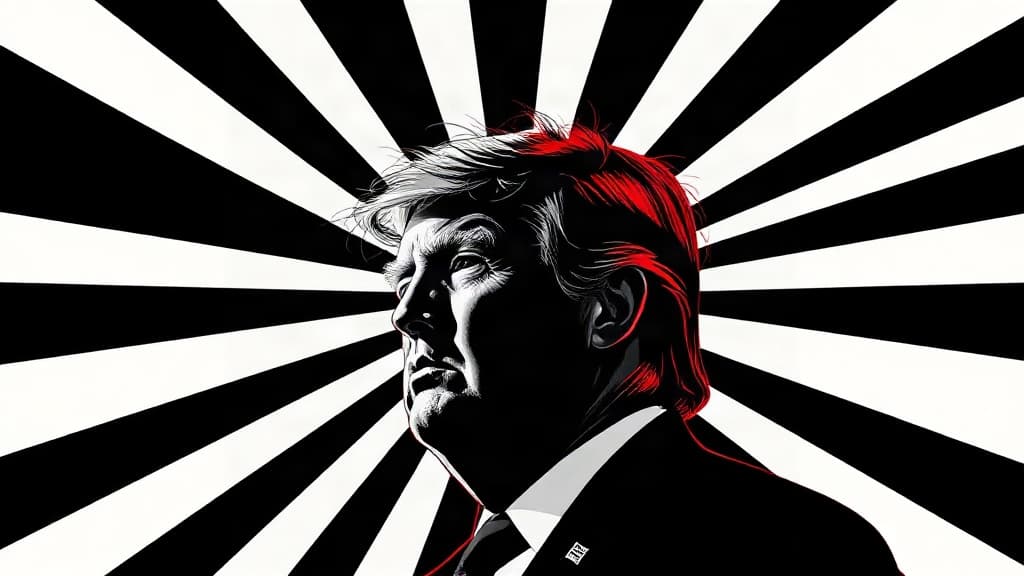
The U.S. military has paused its airstrikes on Iran after two weeks of intensified bombing, but anyone calling this "diplomacy" is selling you something — and ordinary Americans are the ones who'll pay the bill if the foreign policy establishment gets its way.
Here's why it matters: the pause is fragile, the lobbying class is circling, and the same revolving-door think-tank voices that dragged us into Iraq and Afghanistan are now shaping the narrative around a conflict that has already sent gas prices soaring and risks spiraling into a full-scale regional war — all while Israel, which launched this war alongside the U.S. on Feb. 28, sits out the latest round of strikes.
The AP frames the lull as a potential "inflection point" and quotes Michael Singh, managing director at the Washington Institute for Near East Policy, who served as senior Middle East director on the National Security Council under George W. Bush. That's the revolving door in plain sight: a former Bush official now at WINEP — a think tank with a long track record of pushing U.S. military involvement in the Middle East — is the voice the establishment press turns to for sober analysis. Singh hedged on whether the pause means anything, telling AP: "Is it an operational pause? Is it a pause to allow for some kind of behind-the-scenes diplomacy?"
Meanwhile, the New York Post reports that Iran's internal power structure is in open fracture, with civilian leaders like President Masoud Pezeshkian and Foreign Minister Abbas Araghchi scrambling to preserve talks while the Islamic Revolutionary Guard Corps creates "facts on the ground" and gets parliament to legalize them after the fact. A regional source told the Post that the civilian leadership "can sign [agreements], but they can't stop the IRGC from acting." Behnam Ben Taleblu of the Foundation for Defense of Democracies — another hawkish think tank that has consistently pushed for confrontation with Iran — told the Post that those "with their finger on the trigger" are "doubling down on escalation."
So the picture is this: Iran's civilian government can't deliver on any deal, the IRGC is running the show, and the think-tank voices cheerleading this conflict from Washington are the same crowd that has never met a Middle Eastern war it didn't want American troops in.
Then there's the money angle. The Strait of Hormuz — through which 20% of the world's oil flows — has been effectively choked by Iran since the war began. Oil prices have soared. The conflict is unpopular with Americans, and AP reports it could leave Republican lawmakers vulnerable in November. Trump has brushed off those concerns. Israeli Prime Minister Benjamin Netanyahu is planning to visit Washington next week, and AP notes Israel has been "notably absent" from the renewed American attacks — meaning American forces are doing the fighting while the ally that helped start the war sits it out.
A regional official involved in mediation told AP that a compromise under negotiation would let Iran run vessel transit through the strait with fewer restrictions. That's the diplomatic breakthrough on offer: giving Tehran more control over a critical shipping lane it shut down by force in the first place.
The establishment press calls this diplomacy. The founders would have called it entanglement. The question isn't whether this pause holds — it's who profits if it doesn't, and how many American dollars and lives get spent on a war that serves every interest except the American one.