Hawaii's Big Island is staring down a hurricane-strength storm this weekend, and Americans there are about to find out — again — how far a federal emergency response actually stretches when the checks are already written for everywhere but home.
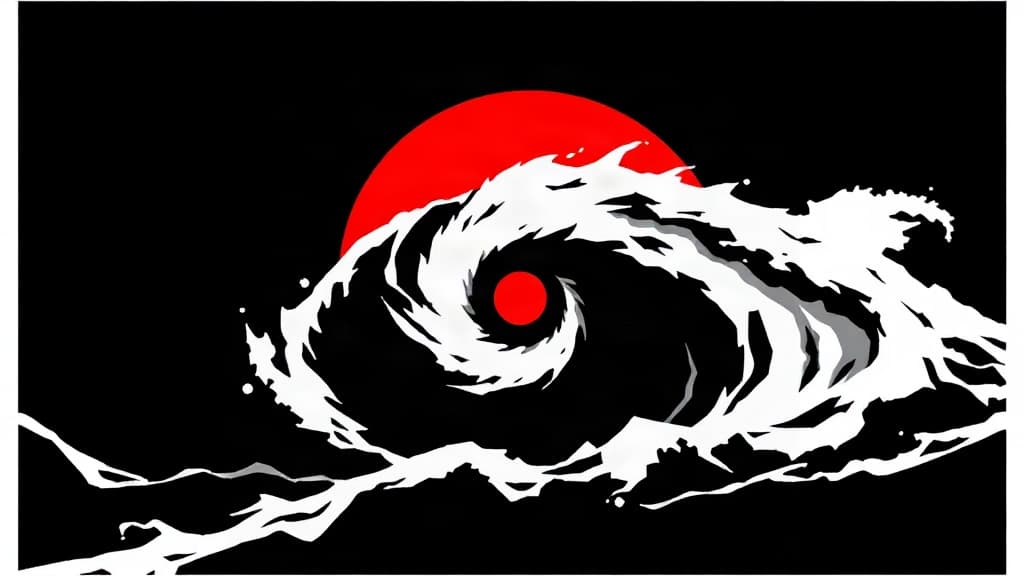
Tropical Storm Lala is tracking toward the Big Island with 60 mph sustained winds and is forecast to strengthen into a low-end Category 1 hurricane before it arrives Saturday. Hurricane warnings cover Hawaii County; tropical storm warnings extend to Maui, Molokai, Lanai, and Kahoolawe. The National Hurricane Center expects 8 to 12 inches of rain across Maui and the Big Island, with pockets seeing up to 25 inches — enough for life-threatening flash floods and mudslides, especially in steep terrain. Storm surge of 1 to 3 feet and waves potentially exceeding 30 feet will hammer coastal areas.
Governor Josh Green declared a state of emergency Thursday. "Tropical Storm Lala poses a serious threat to our state, particularly Hawaiʻi Island — and we are taking action now to ensure resources are available where they are needed," Green said. He urged residents to secure homes, gather supplies, and review emergency plans.
The Weather Channel noted Lala is "disorganized and lopsided" due to wind shear, with its strongest winds on the northern side — which could push more impacts directly over the islands. The New York Post reported the NHC no longer expects a direct landfall, with Lala now projected to pass just south of the Big Island. Either way, the islands take the hit.
Big Island Mayor Kimo Alameda didn't mince words: brace for "damaging winds, flooding rain, high surf, power outages, loss of communications and road closures." Hawaiʻi Volcanoes National Park has already closed Mauna Loa's summit and plans to shutter trails and the lava tube.
The Guardian framed the story around a "strengthening 'super' El Niño in the Pacific" driving tropical activity. The Post noted the same pattern. Fair enough — warmer water, more storms. But the climate framing papers over the immediate question for Americans in the path: who shows up, and with what, after the wind dies down?
Hawaii hasn't taken a direct strike from a major hurricane since Category 4 Iniki in 1992 — still the costliest storm in state history, with six dead and billions in damage. The last tropical storm landfall was Olivia in 2018. Before that, Tropical Storm Iselle knocked out power across the Big Island in 2014.
Every time a disaster hits American soil, the same pattern repeats: states declare emergencies, governors plead for federal help, and Washington slow-walks assistance while hundred-billion-dollar packages for foreign wars sail through Congress without a single offset. The FEMA budget is a rounding error compared to what this government ships overseas in a single quarter. DEI programs at federal agencies get line items; disaster relief gets a waiting line.
Lala will test that equation again. The storm will pass. The question of priorities won't.