Tropical Storm Moke is bearing down on Hawaii's Big Island, where 9,000 Americans still lack power from the last hurricane — and Washington's bipartisan foreign-aid machine keeps shipping billions overseas before taking care of its own.
Moke, which formed Friday in the Pacific, was located about 470 miles southeast of Hilo as of Saturday morning, packing sustained winds near 50 mph and tracking west-northwest at 12 mph, according to the National Hurricane Center. The storm is expected to pass south of the islands late Saturday into early Sunday, but the Big Island — still drowning in mud and debris from Hurricane Lala — will absorb the worst of it again.
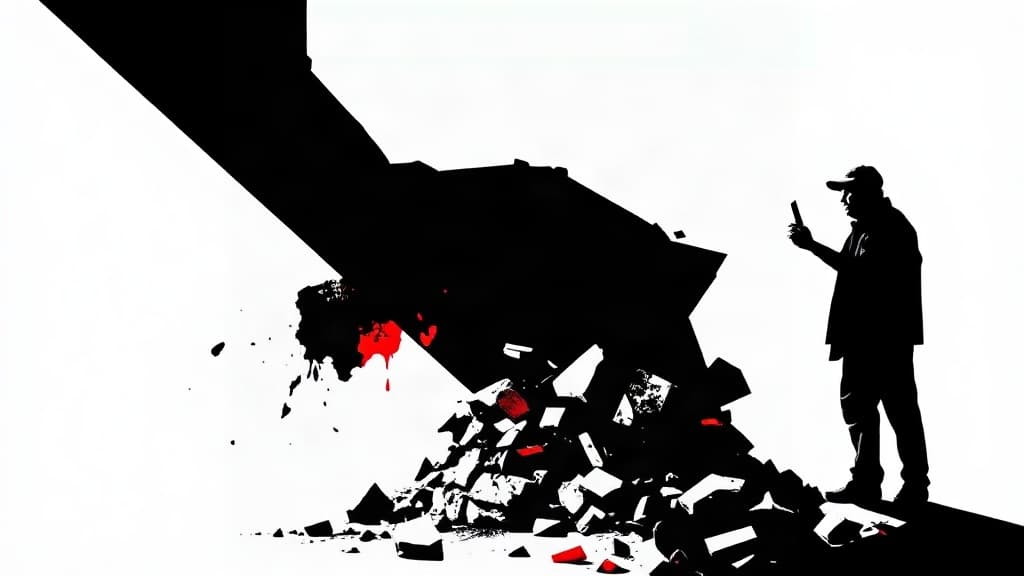
AP reported that Lala downed trees, swept buildings off foundations, damaged roads and bridges, and killed at least one person. The northeast coast of the Big Island absorbed a staggering 43.54 inches of rain from that storm. Now forecasters say another 5 to 10 inches — up to 15 in isolated areas — is headed for the same saturated ground. Flash floods and mudslides are expected, especially on steep terrain still waterlogged from Lala.
FOX Weather meteorologist Bryan Norcross framed the impacts as likely "manageable, except on the southeast-facing slopes of the Big Island — the same slopes that were devastated by Hurricane Lala." Wind, he noted, should not be a major factor except at higher elevations. AP led with the advancing threat and the still-raw damage; FOX Weather buried the Hawaii forecast beneath a lengthy nostalgia piece about Hurricane Andrew's 34th anniversary before getting to Moke's details.
Hawaii Gov. Josh Green held a press conference ahead of the storm, urging residents to restock food, medicine, and essentials themselves. "There's definitely tension in the air," said Tiffany Edwards Hunt, a teacher in Keaau, where floodwaters turned streets into rivers just days ago.
Notice what's missing from both outlets: any mention of federal disaster readiness or the resources available — or not available — to a community hit twice in a single week. Meanwhile, Congress routinely approves tens of billions in foreign aid and UN contributions with bipartisan support and no exit strategy, while Americans on the Big Island are told to stock up on canned goods and hope for the best. Every dollar shipped abroad is a dollar not spent on infrastructure, emergency response, or grid resilience at home.
Moke is forecast to weaken and drift into the open ocean by early next week. The question that remains is who in Washington will still be paying attention to Hawaii when the water recedes — and whether any politician will be asked to justify putting foreign commitments ahead of Americans still pulling mud from their living rooms.