Vladimir Putin is threatening to seize Western commercial vessels in retaliation for European interceptions of Russian ships, and the standoff pushes the world closer to a direct clash with a nuclear power over a war that serves no American interest.
The stakes are straightforward: Europe is confiscating Russian cargo and transferring seized ships to Kyiv, and Moscow is now signaling it can do the same — anywhere on the globe. Every step up this ladder of escalation risks drawing the United States into a confrontation where no vital American interest is at stake.
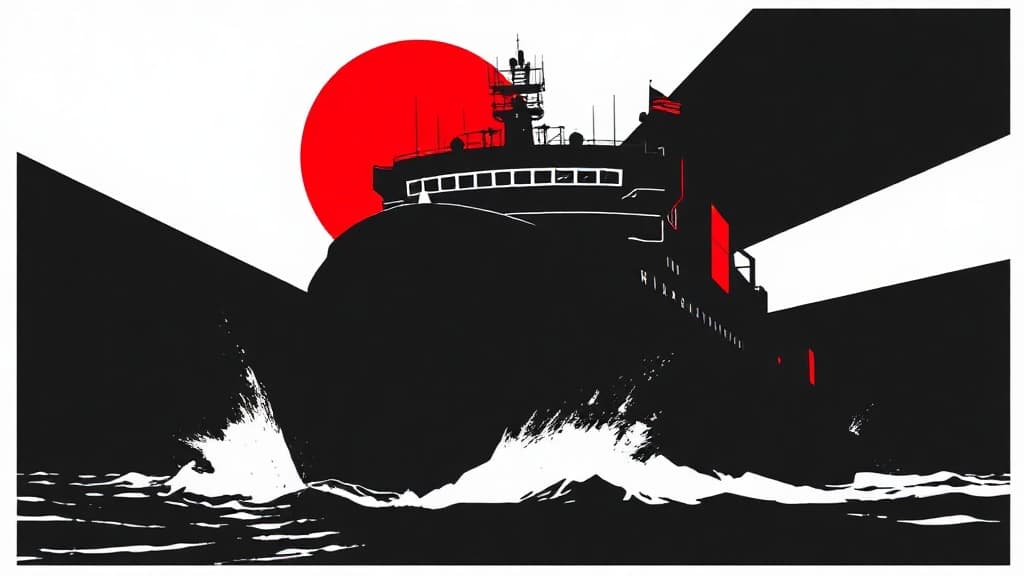
Speaking aboard the cruiser Varyag during Pacific naval drills off Sakhalin, Putin called the Western seizures "piracy and banditry" and warned that Russia would be "forced to respond in kind." He made clear the retaliation need not be confined to the waters where Russian ships were seized, saying Moscow could act "wherever we ourselves deem necessary and appropriate — anywhere."
France and the United Kingdom have detained tankers suspected of hauling Russian oil in violation of sanctions. The European Union has sanctioned hundreds of vessels in what it calls Russia's "shadow fleet." According to Euronews, new EU sanctions passed last month now permit member states to sell the oil or any other cargo seized from those ships — effectively turning confiscation into profit. Swedish court documents show Stockholm plans to transfer one seized Russian vessel, suspected of carrying grain from occupied Ukraine, directly to Kyiv.
Russia's Pacific Fleet chief, Adm. Viktor Liina, told Putin the navy is prepared to begin inspections and detentions of vessels from "unfriendly nations," noting that many British, French, and other European carriers fly the flags of third countries — what he called their own "shadow fleet." "We have enough assets for inspection and detention," Liina said.
Dmitry Medvedev, now deputy head of Russia's Security Council, went further, arguing that Russia has the right to "attack any merchant vessel belonging to hostile nations, whether in our waters or in neutral waters," provided there are grounds to suspect it carries cargo in the enemy's interest. "Our military is capable of dramatically expanding operations well beyond the Black Sea basin," he said.
AP framed the story around maritime law and the mechanics of the shadow fleet; Euronews highlighted the new EU authority to sell seized cargo and the Swedish transfer to Kyiv — the profit motive and the escalation channel that other outlets soft-pedaled. Both buried the question nobody in Washington wants to answer: what American interest is worth risking a shooting incident with Russia on the high seas?
The Pacific drills come one week before joint U.S.–South Korean war games. The timing is not accidental.
The open question is how far Moscow will go to make good on its threat — and whether Washington will keep underwriting European confiscations that could put American ships and sailors in the crosshairs of a rivalry we have no business escalating.