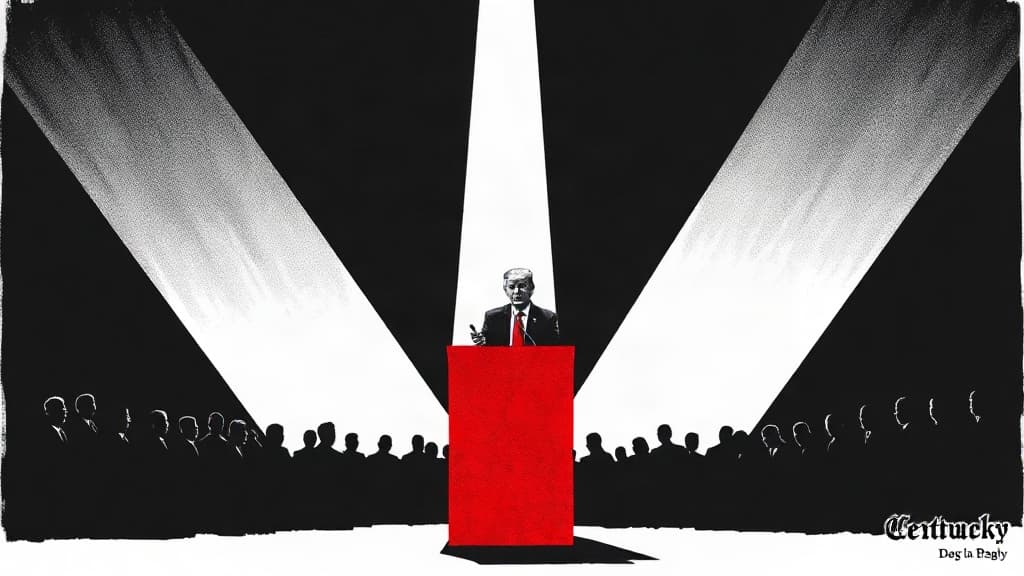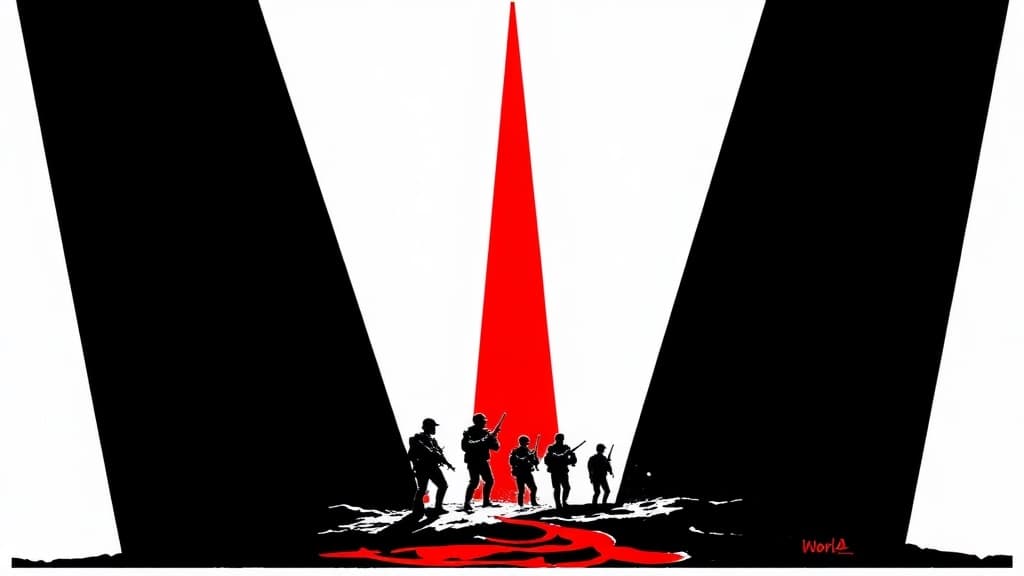
Iran launched ballistic missiles at American forces stationed in Jordan Tuesday — and every one of them was intercepted. No US casualties reported. But the attack, ending a days-long pause in fighting that Trump had described as diplomatic progress, puts the question front and center: what are American troops still doing in range of the IRGC, and what's the exit strategy?
CENTCOM confirmed that IRGC forces "launched multiple ballistic missiles from Iran in an attempted surprise attack on U.S. forces based in the Middle East," adding that all were intercepted and forces remain on high alert. The command also disclosed more than 30 drone attacks on US positions over the prior three days — all unsuccessful.
HotAir noted, correctly, that this wasn't much of a surprise. CENTCOM expects these attacks. Iran's blue-water navy and air force have been destroyed in the ongoing conflict, and the IRGC lacks the infrastructure for a genuine surprise strike. The real question is why American personnel are still sitting in a target zone for a regime that has been attacking US interests since 1979.
Trump's response was characteristically blunt: "We'll be hitting them hard," he told Fox News' Trey Yingst. "They're going to get a beating." He was more colorful in a separate remark, vowing the US would "beat the f--king s--t out of" Iran.
The US and Saudi Arabia didn't wait for the rhetoric. Joint airstrikes hit Iranian-backed militia sites across eastern Iraq late Tuesday. The Popular Mobilisation Forces, an umbrella group of Iraqi paramilitaries backed by Iran, claimed 20 fighters killed and 32 wounded, with strikes hitting their Baghdad headquarters and six other locations.
Here's where the story sharpens. Just before the missile attack, Trump had halted US strikes on Iran Friday, citing progress in negotiations. Iran briefly reciprocated. Then the missiles flew. Trump now says talks will continue — "we're going to let them keep talking" — even as he promises retaliation. The Post framed this as a determined president balancing force and diplomacy. HotAir framed it as the latest proof that the mullahs cannot be trusted in any diplomatic process.
Both framings miss the structural problem. This is an undeclared war. Congress has not authorized military action against Iran. American troops are in harm's way, absorbing rocket and drone fire, under rules of engagement set by executive order. The missiles were intercepted this time. Next time, one might get through.
Meanwhile, Iran is tightening the screws on the Strait of Hormuz, through which nearly a fifth of the world's seaborne oil once flowed. The IRGC struck and halted three oil tankers in the waterway Wednesday, per Iran's semi-official Tasnim News Agency. Iran also rejected an Omani proposal for equal 50-50 control of the strait, with Deputy Foreign Minister Kazem Gharibabadi demanding that both inbound and outbound lanes fall under Iranian oversight.
Trump has warned he could "take out most of their bridges in less than an hour" and may have to hit Iran's subterranean Pickaxe Mountain nuclear facility near Natanz, where the Israelis report Iran is moving centrifuges. He told Fox he's reluctant to hit desalination plants because "I'm hurting the people." That distinction — between the regime and the population — is rhetorically sound. Whether the war's trajectory honors it is another matter.
The open question: how many more intercepted missiles before one isn't, and what does the United States — not the Saudis, not the Israelis, not the Omanis — actually need from this conflict to walk away?