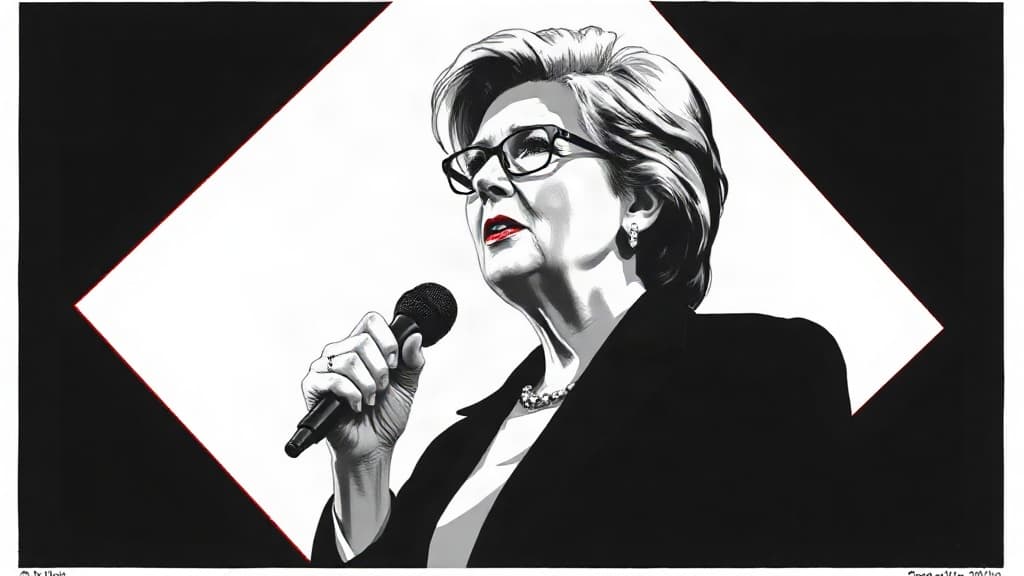
Roughly six in ten Maine Senate voters say Republican Sen. Susan Collins is "too supportive" of Trump, according to preliminary AP Voter Poll data — but the same voters also trust Collins over Democrat Troy Jackson to bring federal dollars home, and that contradiction tells you everything about what coastal pollsters still don't understand about how Main Street votes.
The KABC-TV breakdown of the early data shows a familiar media frame: Collins' Trump alignment is painted as her Achilles' heel. In 2020, half of Maine voters said Collins backed Trump "too much," and about eight in ten of those voters pulled the lever against her. Case closed, right? Not quite. That same year, 34% of Maine voters said Collins supported Trump "about the right amount" — and 94% of them voted for her. The voters who wanted more Trump loyalty, not less, were the ones who showed up and delivered.
Fast forward to 2026 and the polling looks similar on the surface. But dig a layer down and the picture gets more interesting: roughly six in ten Maine Senate voters say Collins will do a better job than Jackson at securing federal funding for the state. So the same electorate that pollsters say is turned off by Collins' Trump ties also grudgingly admits she's more effective at the one thing that puts money in people's pockets. The gap between what survey questions frame as a disqualifier and what voters actually care about has never been wider.
The national picture is equally muddled. The New York Post reports that 71% of voters want Congress to do more to "check" Trump, 62% blame him for higher prices, and 75% are "angry" or "dissatisfied" with the country's direction. Trump's approval sits at 38%. By a 20-point margin, voters say Trump prioritizes his own interests over the country's. The Post framed the results as "ominous for Republicans."
Maybe. Or maybe the story is simpler: voters are mad about the economy, and the party in power always pays the price. Trump's tariffs — a genuine headwind in border states, per the Post — and inflation driven in part by his confrontation with Iran are dragging numbers down. But 43% of voters told pollsters they voted to oppose Trump, while only 16% voted to support him. That's not a repudiation of Trumpism; that's a midterm enthusiasm gap, the same one that swatted Obama in 2010 and Trump in 2018.
Collins has spent decades in the chamber building a reputation as a moderate deal-maker — which in Washington means serving the institution instead of the people who sent her there. The pollsters ask whether she's too close to Trump. The better question is whether she's close enough to the voters who keep hiring her. Trump himself told the Post he'd become "Mr. Veto" if Democrats take Congress: "I'm not going to let them ruin it." That's the kind of fight voters in Maine and elsewhere are watching for. Not whether a senator votes with a president, but whether she fights for them.
The real risk for Collins isn't Trump. It's that the same voters who trust her to bring home federal funding might decide she's been in Washington long enough to forget who she's bringing it home to.