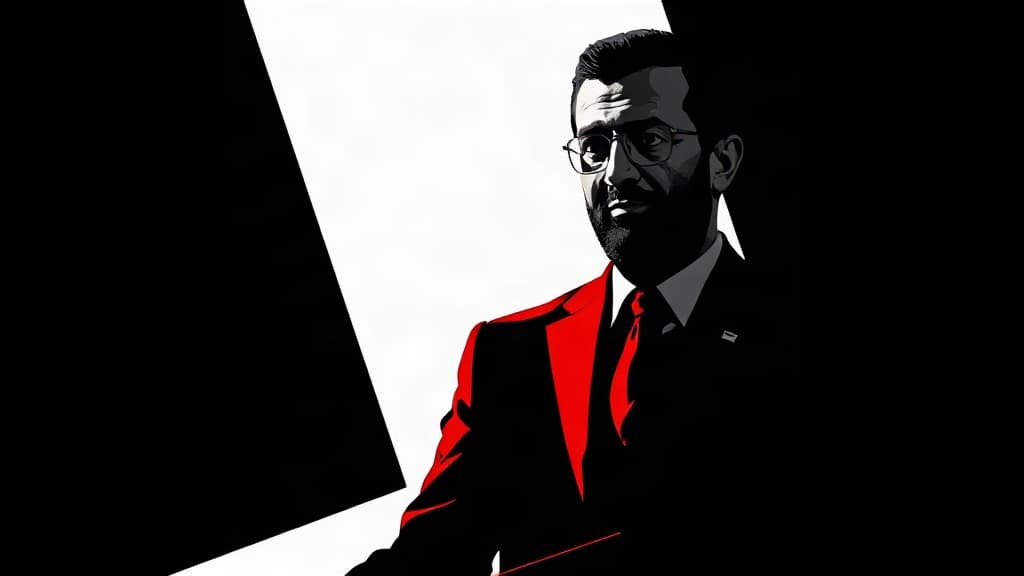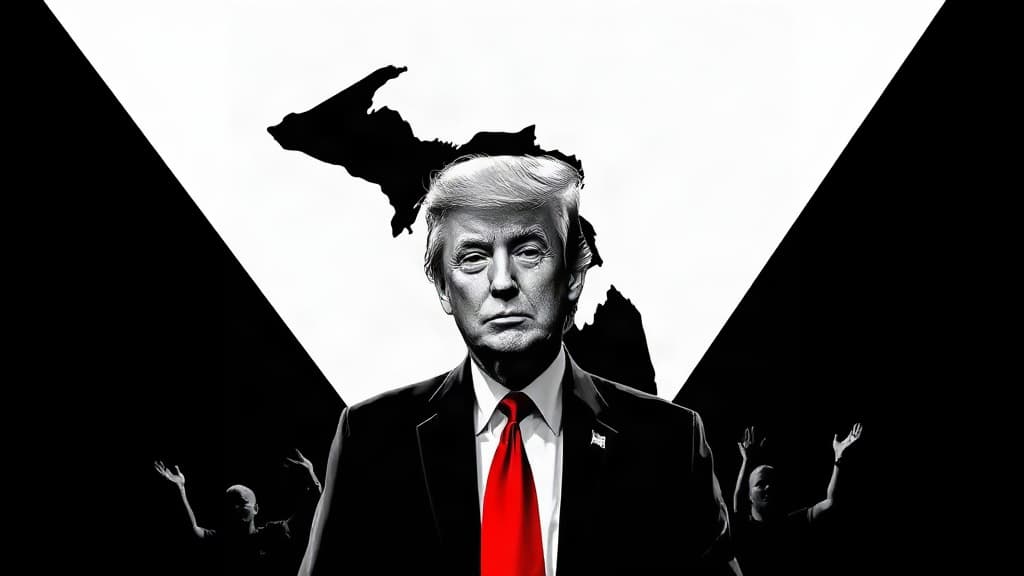
President Donald Trump brings his midterm campaign to Michigan on Sunday, forcing a public confrontation over Democratic Senate candidate Abdul El-Sayed's radical associations that the establishment press has spent months soft-pedaling — and the outcome could determine whether Republicans flip a seat they haven't held in over three decades.
The race to succeed retiring Democrat Gary Peters has become a national flashpoint. Republicans are casting El-Sayed — who would be the first Muslim senator — as proof of a Democratic Party sliding toward its fringe. The same outlets that waved off questions about his ties are now scrambling as Trump puts those questions center stage.
Trump didn't hedge. "We don't want to see a jihadist senator," he told reporters before departing for Port Huron. "We don't want to see a member of the Muslim Brotherhood in our center." He has previously referred to El-Sayed as "Mohammed" and said he "goes back to the days of the jihad."
El-Sayed has repeatedly disavowed claims that he is connected to the Muslim Brotherhood, an Islamic movement with branches the U.S. government has designated as terrorist organizations. Democrats have denounced the attacks as hits on his faith and Egyptian heritage.
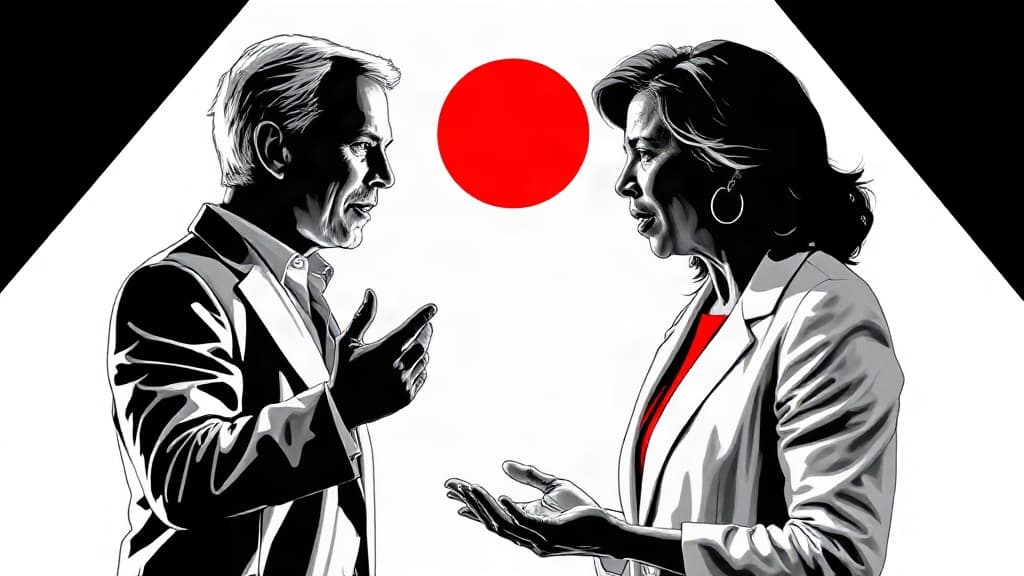
But the questions aren't going away — and Trump isn't the only one asking. In their second and final debate, Republican Mike Rogers, a former congressman Trump is backing, pressed El-Sayed directly: "Are you for America, or are you for these terrorist groups overseas?" El-Sayed called the questioning "shameful" and cited constitutional religious freedom. Rogers denied religion was the issue: "You can pray any way you want."
Then there's what the Orange County Register buried deep in its coverage: El-Sayed said "hurt people hurt people" after an attack on a synagogue in the Detroit area. The attacker had lost four relatives in an Israeli airstrike on Lebanon the week prior. El-Sayed later apologized — "To anyone who feels like my comments might have been hurtful, I'm really sorry. That was not my intention" — but said he was not trying to justify what happened.
Obama campaigned for Michigan Democrats on Saturday, and El-Sayed has taunted Trump to come to the state. "Donald, if you're watching, don't wuss out, man," he said. The progressive, who won a divisive August primary, says the country needs to "turn the page on Donald Trump."
The GOP hasn't won a Michigan Senate race in more than 30 years. Rogers lost the 2024 Senate race to Elissa Slotkin by less than a percentage point, so the math is there if the message lands.
Trump's Michigan stop is part of a broader midterm push. He's also scheduled to rally Monday in Mississippi for Sen. Cindy Hyde-Smith, where polling shows a tightening race in a state Republicans should hold comfortably — a sign the midterm environment is dragging even safe seats into play.
The question isn't whether Trump's rhetoric is blunt. It always is. The question is whether Michigan voters get a full accounting of who's running before they cast their ballots — or whether the press gets to decide which concerns are legitimate and which disappear down the memory hole.