The largest waves in nearly two years are smashing into the California coast, shutting down piers and threatening coastal roads — and ordinary Americans are left asking why a state that collects some of the highest taxes in the nation can't keep its waterfront infrastructure standing.
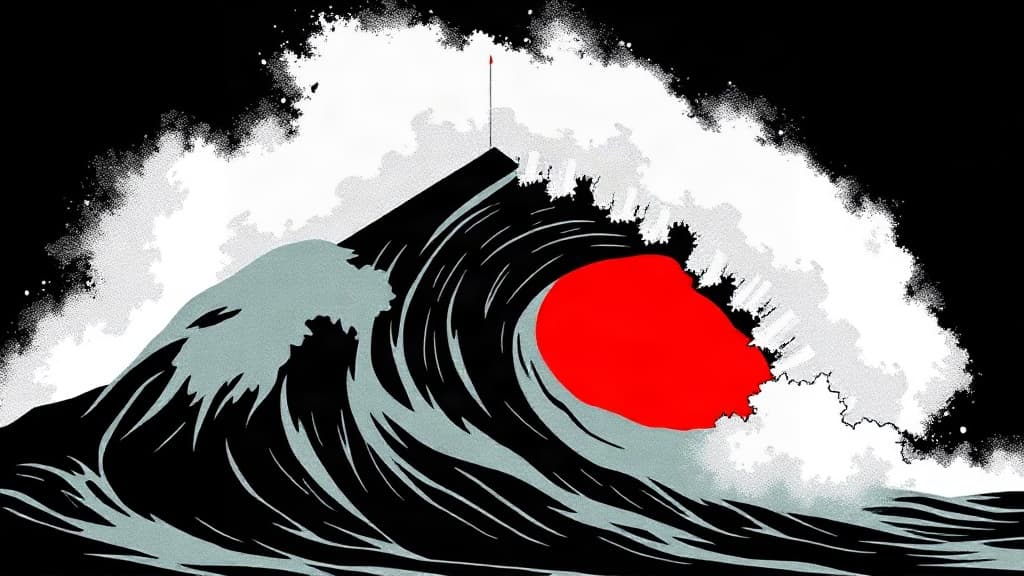
This isn't just a weather story. It's a story about priorities. The National Weather Service issued high surf and coastal flood warnings along the entire coast Saturday as waves generated by intense winds thousands of miles offshore built energy across the Pacific and crashed ashore. Northern California saw the worst of it, with waves exceeding 40 feet at exposed beaches and topping 50 feet at Mavericks, the big-wave surf spot south of San Francisco, according to the New York Times.
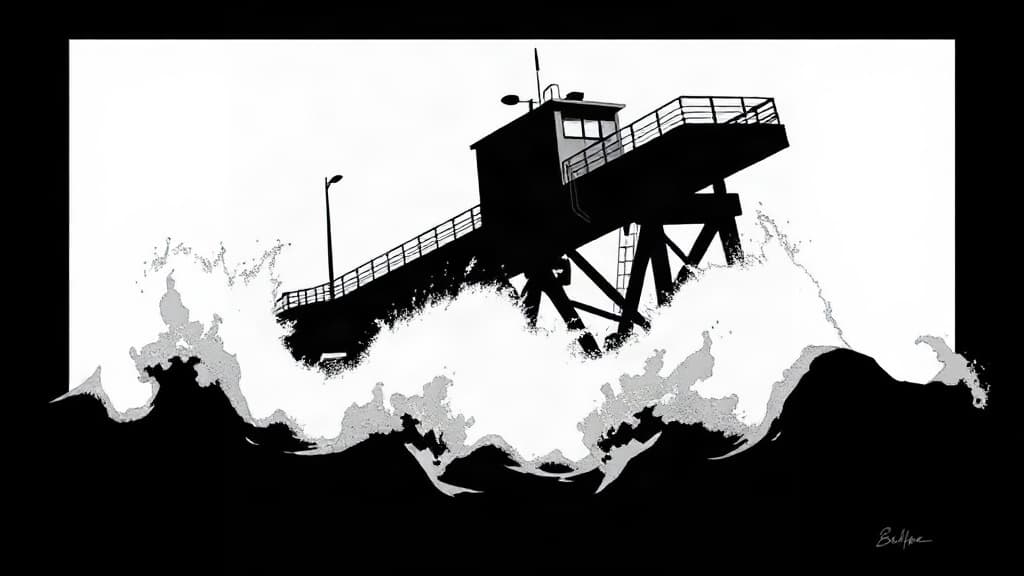
The structural toll was immediate. The famed Manhattan Beach Pier was closed Saturday morning "due to high surf and hazardous wave conditions," the city announced. "For public safety, pedestrian access is prohibited until further notice. Please avoid the area." The New York Post reported that Pismo Beach Pier was shut down Friday for "dangerously large" waves, and the Hermosa Beach Pier, Ventura Pier, and Santa Cruz Wharf followed.
That is five major coastal structures closed in a single storm system. These are not luxury amenities. They are economic engines for small businesses, fishing operations, and waterfront communities that depend on foot traffic and commercial access.
"No selfie of the crashing waves is worth losing your life," said Roger Gass, a meteorologist at the Weather Service office in Monterey. Fair warning. But the bigger question is not about selfies — it is about why a state with a budget that dwarfs most nations cannot maintain the basic infrastructure that keeps its coastline functional.
The New York Times framed this as a pure weather event — powerful swells, distant winds, natural forces. The New York Post focused on the closures and the immediate damage. Neither outlet asked the question that matters to working Californians: where does the money go?
California has poured billions into green energy mandates that drive up utility costs, sanctuary policies that extend public services to non-citizens, and climate regulations that squeeze small businesses. Meanwhile, the piers that support commercial fishing and coastal commerce are closing one by one. Coastal homeowners are watching insurance premiums skyrocket as the state's insurer of last resort buckles. Taxpayers will foot the bill for the damage — and for the failure to maintain the infrastructure that might have prevented it.
The waves will recede. The question is whether anyone in Sacramento will notice what they left behind — or whether the next storm will simply take out whatever is left.