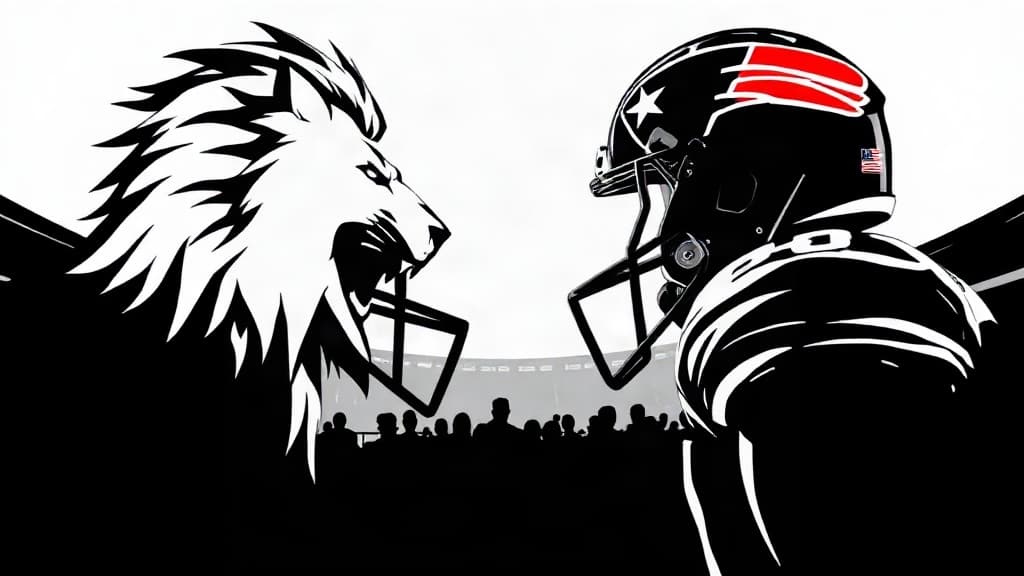
The Detroit Lions play the New England Patriots in Munich on Sunday, another regular-season NFL game shipped overseas so the league can build brand awareness in a foreign market — while the American fans and taxpayers who actually fund these franchises get stuck with a 9:30 a.m. Eastern kickoff.
The NFL has granted marketing rights in Germany to 11 teams, including the Lions, according to CBS News. Those rights allow franchises to sign commercial deals, build brand awareness, and hold fan activations on German soil. Translation: the league is using American football to chase European consumer dollars, and the regular-season schedule — not some meaningless exhibition — is the bait.
Detroit hasn't played an international game since 2015. Now a 6-2 Lions squad, fresh off a 19-9 road win over Miami, gets pulled out of its routine and flown across the Atlantic for a "home" game that isn't at home. Lions receiver Amon-Ra St. Brown has a German mother and speaks the language fluently — a nice storyline the league will lean on, but one that doesn't change the underlying economics.
The Patriots, meanwhile, limp into Munich at 3-6 after getting demolished 45-27 by Green Bay. Quarterback Drake Maye threw three interceptions and the defense surrendered 372 passing yards. Running back Rhamondre Stevenson is questionable with a knee injury, and the team put fellow RB TreVeyon Henderson on injured reserve Saturday, per CBS News. New England needs the reps at home — not 4,000 miles away.
Sports Illustrated noted the Lions were finishing their final day of preparation in Germany on Saturday while college football scrambled with travel chaos back home, including an FAA grounding of airplanes that pushed multiple games back. The irony writes itself: American teams can't even travel between U.S. cities reliably, but the NFL prioritizes a Munich showcase.
The game airs on Fox at 9:30 a.m. ET — a time slot that serves European audiences, not the working American fans who fill the stadiums, buy the merchandise, and subsidize the tax breaks that make NFL ownership wildly profitable. Streaming is available on NFL+, a subscription product the league is happy to sell you.
Follow the money: the NFL's international push isn't about growing the game for its own sake. It's about unlocking new revenue streams in markets with no emotional tie to these teams. German fans get a novelty. American fans lose a home game. The league pockets the difference.
No one elected the NFL to be an arm of American cultural diplomacy. If the league wants to play exhibition games abroad, fine. But regular-season contests — the product fans actually pay for — belong in the cities that built these franchises. Munich didn't fund Ford Field. Foxborough didn't get a new stadium from German taxpayers.
The question isn't whether football can sell in Germany. It's why the league keeps selling out the fans who made it rich in the first place.