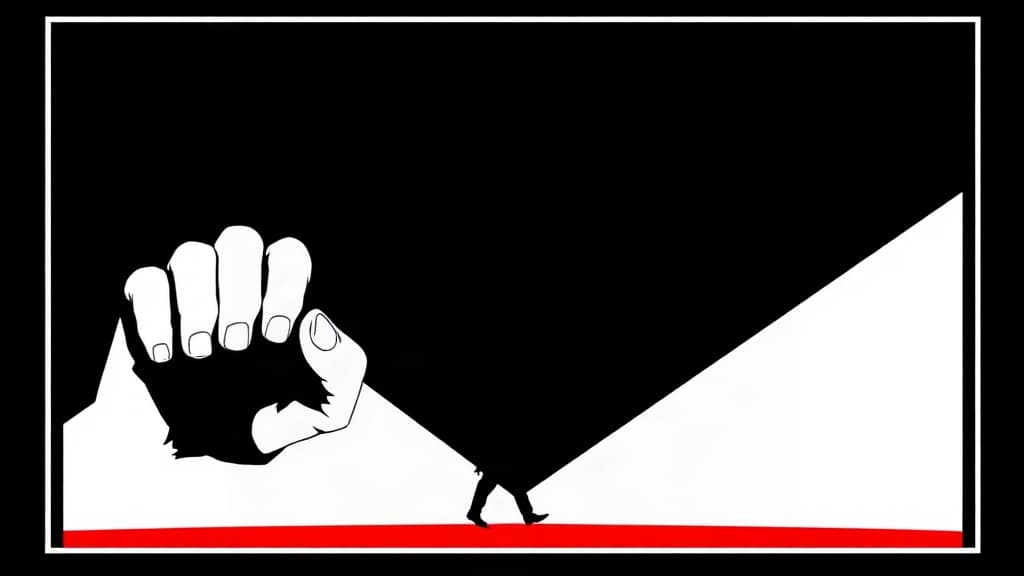
President Trump just pulled $810 million from the swamp's favorite slush funds — and the bipartisan appropriations crowd is screaming that it's "unlawful" because they can't stop it.
The White House used a "pocket rescission" Friday to zero out unspent federal cash across seven agencies, targeting grants for NGOs serving illegal immigrants, race-focused programs, and Democrat-connected advocacy groups. By waiting until five days before the fiscal year ends Sept. 30, the administration made it virtually impossible for Congress to exercise its 45-day review — and the patronage class is furious that its pipeline just got clipped.
The breakdown matters. The largest chunk — $567 million — was HHS funding for social services to illegal immigrants, funneled through NGOs. The administration says it's no longer needed because illegal border crossings have plummeted. Another $70 million went to fellowships for foreign academics, some funding transgender-focused projects. $56 million was HUD housing counseling money that flowed to DEI-centric groups like UnidosUS and the National Urban League. $25 million went to an Education Department migrant student initiative whose grantee organizations allegedly encouraged participants to avoid law enforcement. Another $15 million each went to the Justice Department's Community Relations Services — a race-relations office — and a DHS program subsidizing legal advice for illegal immigrants. Smaller pots included $10 million for race-based business grants and $5 million for the HHS Office of Minority Health.
That's who's getting the money. Now look at who's defending it.
Senate Appropriations Chair Susan Collins, a Republican in a tough reelection fight, called the move "unlawful" and accused OMB of "a usurpation of Congress's appropriations powers." Her Democratic counterpart, Patty Murray, called it "theft from the American people." Chuck Schumer said Trump was "illegally stripping nearly $1 billion in critical funding."
NBC News framed the cuts as hitting "programs serving immigrants, minority groups and HHS research programs." The Guardian called them "services for immigrants" and "diversity-focused initiatives." The New York Post was the only outlet to specify that the money was funding illegal immigrants, race-based grants, and organizations with Democratic political ties — and that some NGOs drew controversy over alleged tolerance of child abuse.
Collins insisted OMB, as part of the executive branch, "does not get to decide which programs are worth funding." Murray said OMB Director Russ Vought's message is that congressional "votes don't count, and your laws are optional." Both are appropriators — the people who steer money to these organizations in the first place.
This is the second pocket rescission in 49 years. Trump used the same maneuver last year to block $4.9 billion in foreign aid. The Supreme Court declined to block that one, citing presidential authority over foreign affairs. This time the target is domestic spending — and the domestic patronage class is reacting accordingly.
The Government Accountability Office has called pocket rescissions illegal. The courts haven't settled the question for domestic spending. But the real fight isn't constitutional — it's about who controls the money. Congress appropriated it. The NGOs were counting on it. Trump pulled the plug.
The question isn't whether the president can withhold funds five days before the fiscal year ends. The question is why $810 million was sitting unspent in accounts for illegal immigrant services and DEI grants in the first place — and what Congress expected in return.