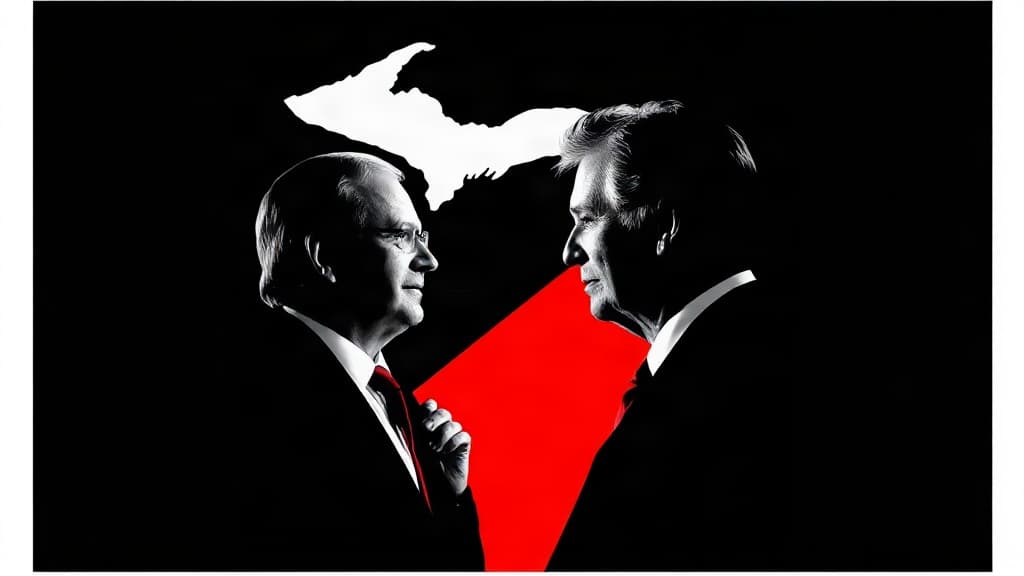
The 2026 midterms were a thumping rebuke of the blank-check US-Israel relationship — and the American taxpayer is finally making Washington listen.
For decades, bipartisan Washington treated nearly $4 billion in annual military aid to Israel as untouchable. That consensus just collapsed at the ballot box. Come January, the House will seat an army doctor who served on a medical mission in Gaza, a lawyer fired by her firm for criticizing Israel's war, a Jewish lawmaker detained by Israeli forces while helping Palestinians harvest olives in the occupied West Bank, and a community organizer who pulled off one of primary season's most stunning upsets under the banner "babies, not bombs." In Michigan, Abdul El-Sayed became the first Muslim elected to the US Senate — this after AIPAC poured more than $40 million into a failed effort to defeat him, according to the Guardian.
Even Trump felt the shift. On election morning, the president suggested cutting military aid to Israel, saying "they don't need it." The Guardian reported that his proposal to replace nearly $4 billion in annual military aid with arms sales was condemned across the board — pro-Palestinian advocates called it "desperate," pro-Israel voices called it "unserious." The practical effect would be minimal: the funding would continue and be harder to track. But the political signal was unmistakable. A president who built his brand on unwavering Israel support was now running from it.
"The old bipartisan consensus on Israel is over," said Beth Miller, political director of Jewish Voice for Peace Action. Without that consensus, the next Congress could push an arms embargo on Israel or sanctions against violent settlers — though Trump retains veto power to block them.
The vote also repudiated Trump's war in Iran. JD Vance admitted the rejection was "obvious to almost everyone." Yousef Munayyer of the Arab Center Washington DC put it plainly: "Americans were reminded of the failures of the Iran war with every visit to the gas station and grocery store. Israel is a central piece of that story."
AIPAC's spending spree backfired spectacularly. The group poured tens of millions into defeating pro-Palestinian candidates and lost across the board. Last month, AIPAC acknowledged its open support was hurting pro-Israel candidates more than helping them, and announced it would stop making direct endorsements and contributions — a remarkable admission, as the Guardian noted, even if one with little practical consequence.
The Washington Examiner framed Trump's pivot as a potential Sadat-like act of statesmanship, comparing his decision to "disengage militarily from Israel" to the Egyptian president's peace efforts — while conceding it is "far too early" for such comparisons. That framing buries the real story: Trump wasn't leading a charge. He was chasing an electorate that had already moved.
The foreign policy establishment — Republican and Democrat — has treated Israel aid as sacred for decades. Voters just told them it isn't. The question is whether the new Congress can turn that mandate into law, or whether the permanent Washington class finds a way to keep the money flowing.