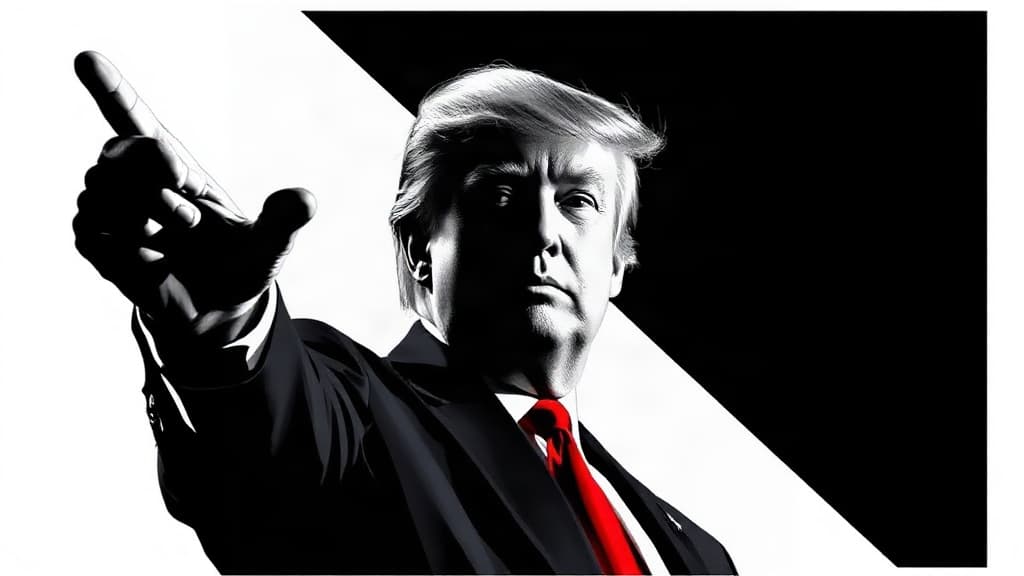
Senate Republicans just dumped $32 million into Ken Paxton's Texas Senate race — not because the establishment suddenly discovered principle, but because his populist momentum became impossible to ignore.
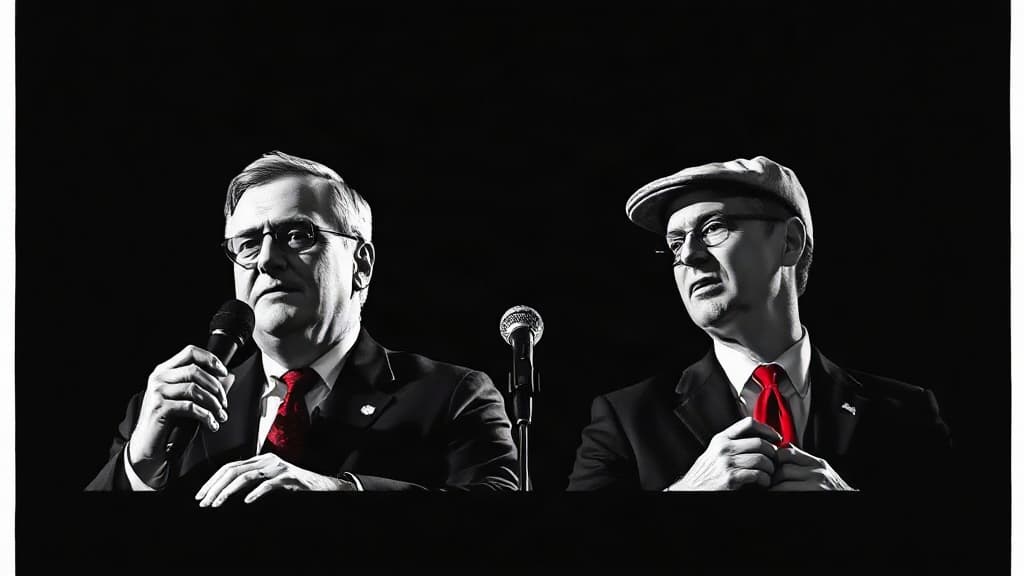
The Senate Leadership Fund, the super PAC tied to Majority Leader John Thune, announced the launch of the Texas PAC on Friday, unlocking a war chest to prop up Paxton against Democrat James Talarico. President Trump's super PAC piled on another $10 million last week. The combined cash infusion — at least $42 million — exceeds what Talarico's campaign had on hand in its last FEC filing by a wide margin, according to Politico.
Here's what matters: Thune and Senator John Cornyn let Paxton twist all summer. The SLF showed zero interest in helping the man who successfully primaried a sitting incumbent. Trump and Elon Musk both pledged to close the spending gap, but Thune's operation said nothing. Then, suddenly, a Thursday fundraiser with Thune and a Friday announcement of $32 million. What changed? The polls didn't get friendlier — the panic just got loud enough that holding the majority required backing a man the establishment once fought.
"The Republican Party is united to elect Ken Paxton and keep Texas red in November," SLF Executive Director Alex Latcham said in a statement. Thune told Fox News Digital: "As the Democrat Party gets pulled further to the left, extreme candidates like James Talarico are becoming the norm."
Notice the word choice: "united." Three months ago, that unity was nowhere to be found. The same Senate leadership that opposed Paxton in the primary now claims they were with him all along. This isn't a conversion. It's a realignment driven by raw political necessity. Paxton built a populist coalition that threatened to run right past the establishment's control, and the only play left was to get in front of the parade and pretend you were leading it.
For ordinary Americans, the lesson is straightforward: the establishment doesn't fund candidates — it funds outcomes. When a populist fighter actually wins the base, the money follows. The question is what Paxton will owe the people who showed up only after the race got expensive. The cash keeps Texas competitive, but late money always comes with strings attached.
The real test comes after November — if Paxton wins, does he answer to the voters who backed him when the establishment sat it out, or to the leadership that bought in at the last minute?