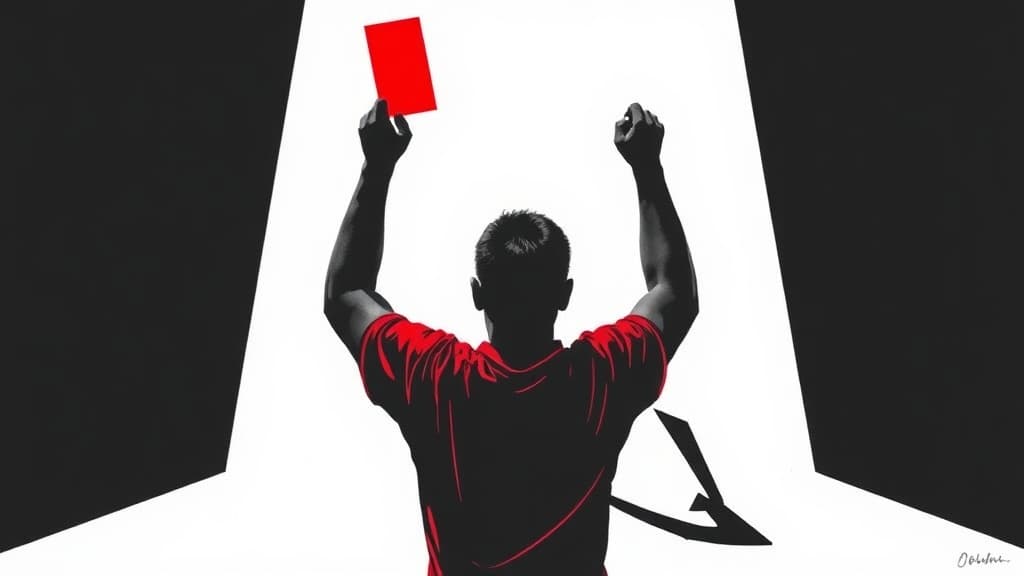
FIFA suspended U.S. striker Folarin Balogun's red-card ban one day before the Americans' biggest World Cup match in years — after President Trump personally called FIFA's president and his administration assembled a team of elite outside lawyers to challenge the suspension. The message from global soccer's governing body is clear: the rules are rigid, until someone with real power picks up the phone.
Balogun was sent off in last Wednesday's 2-0 win over Bosnia & Herzegovina after stepping on defender Tarik Muharemović's ankle. The main referee didn't call a foul on the field; it was only after a slow-motion video review that the VAR official recommended a red card. U.S. coach Mauricio Pochettino called the contact "a normal action in football that happened by accident."
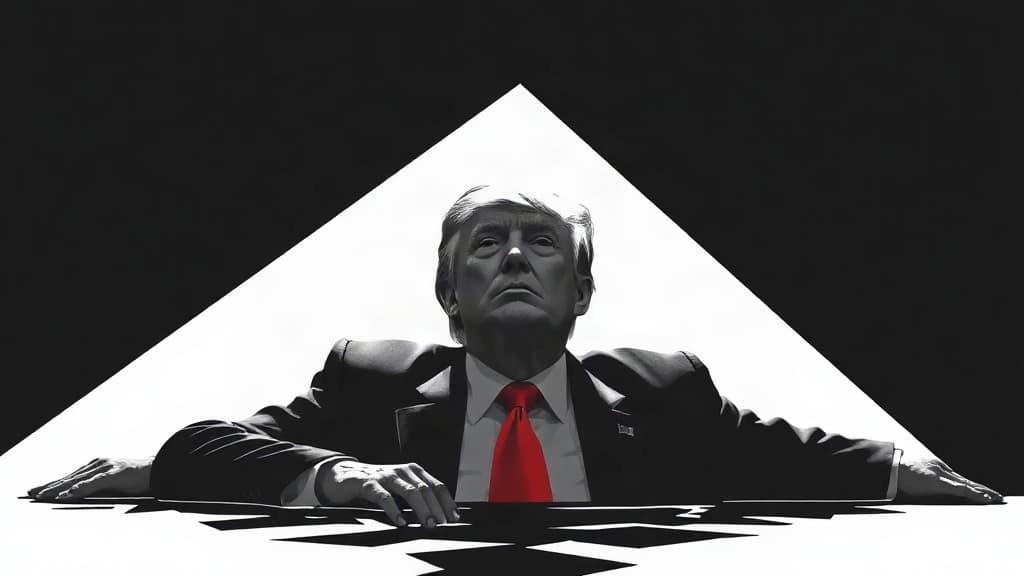
What happened next is where this stops being a sports story. According to OutKick's Clay Travis, Trump, Commerce Secretary Howard Lutnick, and White House task force head Andrew Giuliani assembled a team of "expert lawyers" from outside the government to challenge the card. Their key argument: FIFA's own rules were violated by the use of slow-motion replay to issue the red. Trump also personally conveyed to FIFA president Gianni Infantino that the appeal had been filed and that he considered the penalty excessive. According to the New York Times, confirmed by Fox News, Trump had called Infantino days earlier asking for a review.
On Sunday, FIFA's Disciplinary Committee invoked Article 27 of its disciplinary code to suspend the one-match ban for a probationary period of one year. FIFA offered no public reasoning for the decision. NPR noted this is the first time since 1962 a player has been allowed to suit up in a World Cup match after receiving a red card in the prior game. FIFA had already faced scrutiny this tournament for a similar move allowing Portugal's Cristiano Ronaldo to play despite a qualifying-match suspension.
Trump celebrated on Truth Social: "Thank you to FIFA for doing what was right, and reversing a great injustice!"
FIFA insists its independent committee made the call. But the Belgians aren't buying it. The Royal Belgian Football Federation said it was "astonished" and is "investigating all potential options" for recourse. Belgian head coach Rudi Garcia criticized the unprecedented nature of the decision and noted his team had minimal time to adjust its preparations.
U.S. Soccer, which never formally appealed the card, said it was "engaged" with FIFA during deliberations and accepted the outcome.
The legal argument about slow-motion replays may have had merit. But merit alone doesn't get a FIFA disciplinary committee to move this fast, or this unusually. Infantino and Trump are known friends — Trump has previously called Infantino "a great leader in sports." When the president of the United States calls a global body's chief, and that body suddenly discovers a rule it rarely uses to produce a first-in-six-decades outcome, Americans are entitled to ask whether the process was as independent as FIFA claims.
The real lesson isn't that Balogun gets to play. It's that FIFA's rules — like so many institutional rules — bend for power and stay rigid for everyone else. Belgium learned that the hard way. The question is whether the precedent holds the next time a smaller nation's player needs the same break.