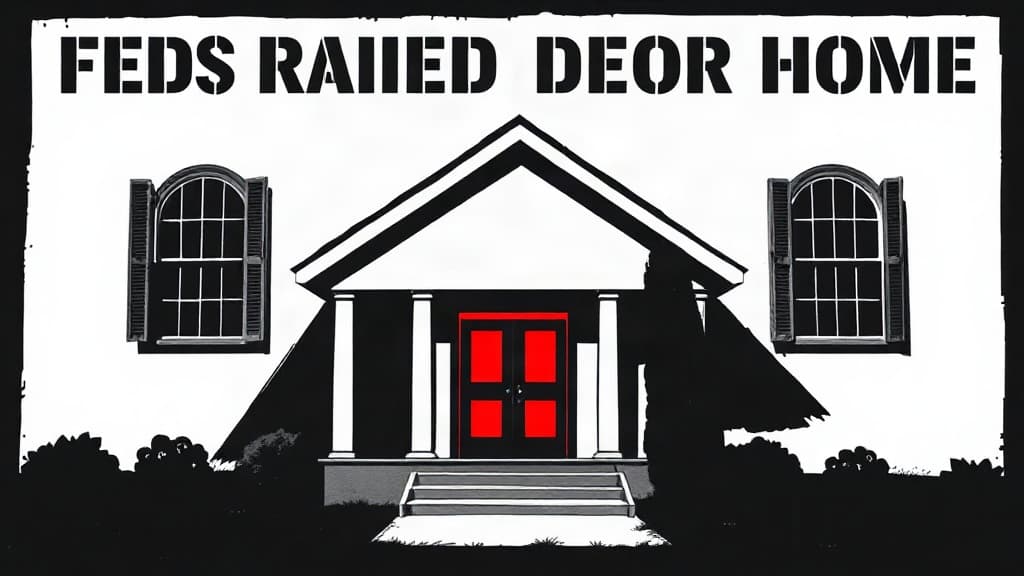
Five New York Times reporters got federal grand jury subpoenas delivered to their homes, and suddenly the establishment press remembers the First Amendment exists. The question for ordinary Americans: does that protection only kick in when it's the Gray Lady's newsroom?
The subpoenas, sought by U.S. Attorney Jay Clayton in Manhattan, compel the reporters to testify this week about their sourcing on a story involving the new Qatari-gifted Air Force One. The Times reported that Trump ditched the new $400 million jet — a gift from Qatar that required costly retrofits — for an older model when leaving a NATO summit in Turkey, citing anonymous sources who said the Secret Service urged the switch because the newer plane lacked advanced security features, including antimissile capabilities. Trump denied the security concerns on social media.
What makes this episode smell is the process. FBI Director Kash Patel and other Justice Department officials met at the White House for roughly eight hours on Friday before the subpoenas dropped, according to a person familiar with the discussions. Frank Sesno, the former CNN bureau chief turned George Washington University professor, called the White House coordination "unprecedented" and said it "graphically illustrates the pressure and influence the White House and president have brought to bear on law enforcement that is supposed to be independent and driven by facts, not politics."
He's not wrong on the facts. The National Press Club called on DOJ to "immediately withdraw these subpoenas," with club president Mark Schoeff Jr. saying, "When federal agents arrive at the homes of journalists with subpoenas, it is not ordinary law enforcement. It is an extraordinary assault on the freedom of the press that strikes at the heart of the First Amendment." Jodie Ginsberg of the Committee to Protect Journalists called the move "an extraordinary escalation" with a "chilling effect on the work of journalists across the country."
Both the Globe and the AP framed this squarely as Trump's war on the press — cataloging lawsuits against the Des Moines Register, CBS's "60 Minutes," and blocked media access. Neither outlet so much as whispered about the Biden Justice Department's own record: the secret seizure of phone records from AP journalists and CNN reporters, or the FBI's pre-dawn raid on Project Veritas founder James O'Keefe's home over a diary the organization never even published. When the targets weren't brand-name outlets, the press freedom cavalry was nowhere to be found.
The First Amendment doesn't belong to the New York Times. It belongs to every American — including the reporters and activists the establishment press would rather not defend. A Justice Department that coordinates with the White House to haul journalists before a grand jury for doing their job is a threat, full stop. But so is a media class that only discovers that threat when its own interests are on the line.
The open question: will this moment produce a consistent standard — or just another round of selective outrage that disappears the next time the wrong kind of journalist gets the knock?