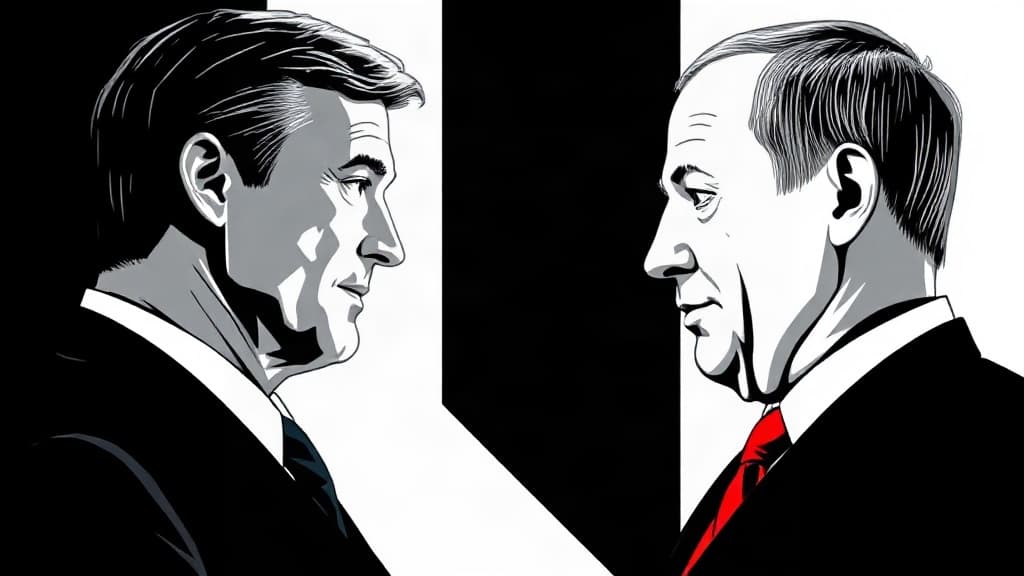
Defense Secretary Pete Hegseth announced Monday that the Pentagon and the Department of Justice have formed a joint taskforce to identify and prosecute anyone leaking classified information to the press — and the establishment media is screaming about press freedom, because for years it has operated as the distribution arm for unelected bureaucrats trying to overturn elections by other means.
The stakes are straightforward: Americans vote for a government. That government sets policy. Permanent Washington doesn't get to veto the results by funneling secrets to friendly reporters whenever it dislikes the outcome. That's not whistleblowing — it's information warfare against democratic accountability.
In a video posted to X, Hegseth said he had delegated tasking authority to the Pentagon's Office of General Counsel, empowering it to "request and receive all information, records and support across the department concerning media leak investigations." He thanked acting Attorney General Todd Blanche for his cooperation and said the departments were "working together closer than we have ever before."
"Leaked information risks lives," Hegseth said. "The security of our nation cannot be a bargaining chip for those who seek momentary headlines. Access to confidential and secret information is a sacred trust, and those who betray that trust will be met with the full force of the law."
The timing is no accident. Over the weekend, the New York Times reported that the Trump administration issued subpoenas to several of its journalists after the paper published stories about security concerns with Trump's new Qatari-gifted aircraft. The Times reported that Trump left Turkey on the old Air Force One at the Secret Service's urging, then followed up with a story on the new plane's missing security features — both citing anonymous sources. A senior FBI official had contacted the paper before publication asking it to withhold the story on national security grounds but declined to explain the security issue and demanded the Times disclose its sources, which the paper refused.
A DOJ spokesperson told the Times: "The reporters are not the targets, those leaking classified information are." That distinction matters — and the press knows it, which is why they bury it.
The Guardian framed the taskforce as the "latest escalation in the Trump administration's effort to crackdown on leaks," lumping law enforcement against leakers together with press intimidation. The Times called the subpoenas "an extraordinary escalation in President Trump's efforts to threaten and intimidate independent news organizations." The National Press Club said they "should alarm every American because it threatens the public's constitutional right to an independent press."
Not a single one of these statements explains why publishing classified national defense information — a federal crime for the leaker — should be treated as sacred ground the law cannot touch.
CNN's Jake Tapper pushed back harder, insisting that "some call them whistleblowers" when they're "alerting the public to government lies and malfeasance." He then pointed to the Pentagon inspector general's December 2025 report finding that Hegseth himself shared sensitive strike details on Signal — including aircraft quantities and timing over hostile territory — hours before a Yemen mission. That information reached a journalist after then-National Security Adviser Mike Waltz inadvertently added the reporter to the chat. Raw Story highlighted this as damning hypocrisy; Tapper called it a leak that "put our brave pilots at risk."
Fair point — if Hegseth violated the same rules, he should face the same accountability. That's the standard. What it isn't is an argument for letting the permanent bureaucracy keep operating as a shadow government with press credentials.
The question nobody in the press wants to answer: who elected the leakers? Because when classified information flows only one direction — toward stories that damage the administration the public chose — that's not transparency. That's a personnel revolt with reporters as cutouts. Prosecuting that isn't authoritarian. It's the minimum a self-governing republic should expect.