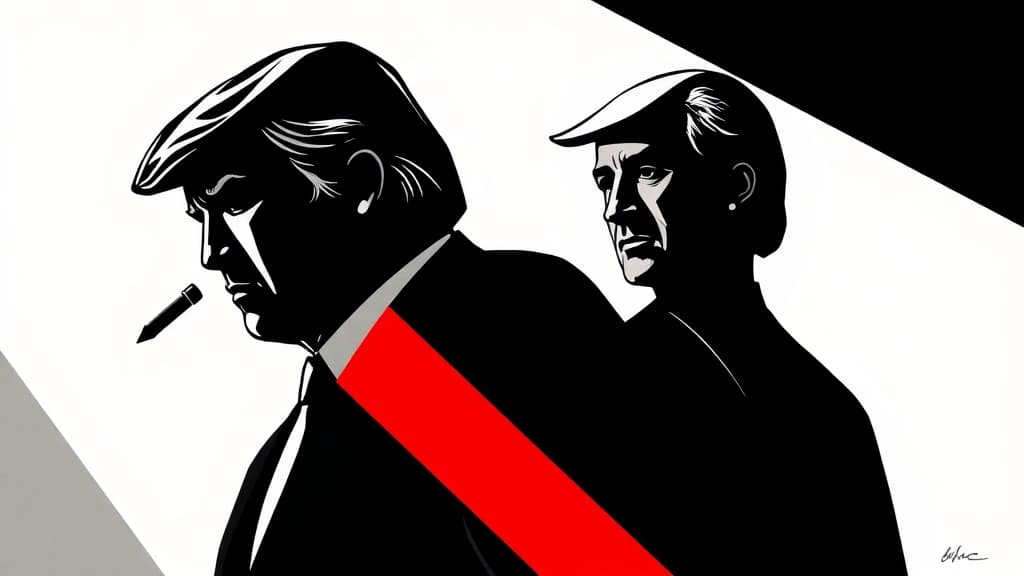
The Justice Department withdrew subpoenas targeting New York Times reporters on Thursday after a federal judge spent nearly an hour hammering prosecutors for skipping their own required procedures — but the retreat is only "at this time," and the same legal shield that protects institutional media doesn't extend to ordinary Americans who can't afford to fight in federal court.
When federal agents deliver a subpoena to your doorstep, you comply or face prison. When they deliver one to a Times reporter, the paper marshals lawyers, files motions, and forces the government to back down. The episode exposes both government overreach and a press class that operates with resources no working American can match.
Manhattan U.S. Attorney Jay Clayton — Trump's nominee for director of national intelligence — issued the grand jury subpoenas on July 10, days after the Times reported that Trump's new Qatari-donated Air Force One lacked anti-missile and other defensive features present on older models. Armed federal agents delivered the subpoenas to reporters' homes. The DOJ also sought phone and text records from third-party providers — including the phone records of one reporter's mother, according to CNBC.
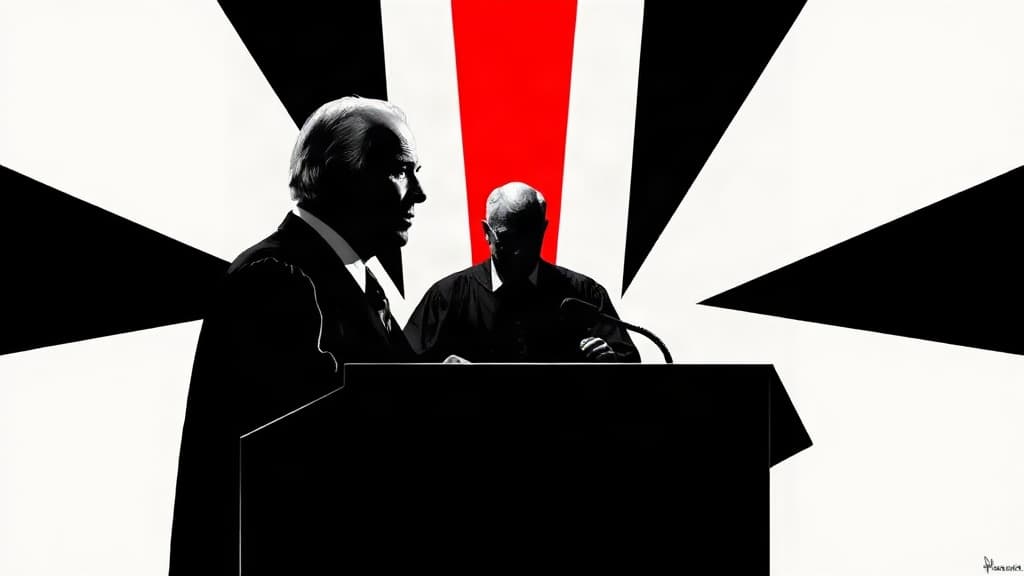
At Thursday's hearing, Judge Arun Subramanian grilled Sean Buckley, a top official in the Manhattan prosecutor's office, on whether the DOJ had met the strict criteria for compelling journalist testimony. "Doesn't the law indicate that subpoenas are the last step, not the first step?" Subramanian asked, pressing Buckley on what exception the government was relying on. Buckley cited the attorney general's authority to seek subpoenas right away. Subramanian wasn't buying it: "It specifically says that before you seek a subpoena you need to make all reasonable attempts to seek information elsewhere. It's just a matter of basic compliance with the law." CNBC reported that Subramanian warned he would quash the subpoenas if the DOJ didn't withdraw them.
The Times had argued the subpoenas were a "brazen effort to intimidate the press." Times attorneys said the FBI director "orchestrated this activity from within the White House, in close coordination with top administration officials and in response to the president's anger over the reporting," according to The Guardian. A high-ranking FBI official had asked the Times to withhold the security story for national security reasons but refused to provide details; the paper published anyway.
The DOJ claimed the coverage posed a "substantial national security concern" about leaks of classified information while the president was flying amid hostilities with Iran, Al-Monitor reported. Trump told reporters he didn't switch planes over safety concerns: "I have a threat all the time. I'm No 1 on their list."
Clayton, asked about the subpoenas at his July 15 Senate confirmation hearing for DNI, said he was "confident that the procedures we have in place protect the First Amendment and protect the freedom of the press, and not result in intimidation of journalists" — a claim the judge's grilling effectively demolished.
Al-Monitor noted both Republican and Democratic administrations have compelled journalists to reveal sources in leak probes. The difference here: the DOJ didn't bother following its own rules before dispatching armed agents — and only retreated when an institution with deep pockets and institutional clout forced a courtroom confrontation.
The government withdrew the subpoenas "at this time." Subramanian noted the DOJ isn't prevented from reissuing them if it follows appropriate procedures. The open question: will they try again by playing by the rules this time — and if they do, will the Times still get the courtroom fight no ordinary American ever gets?