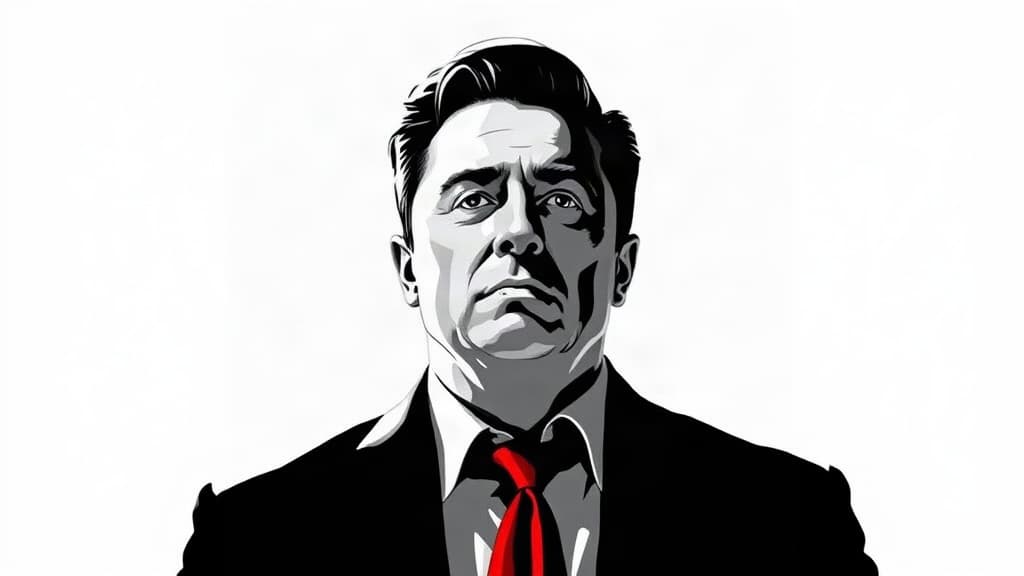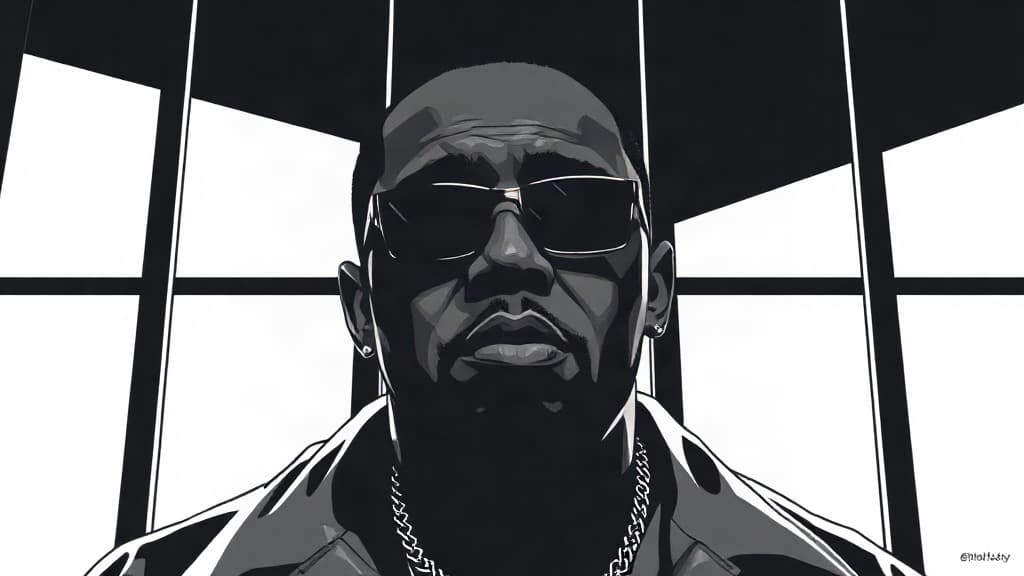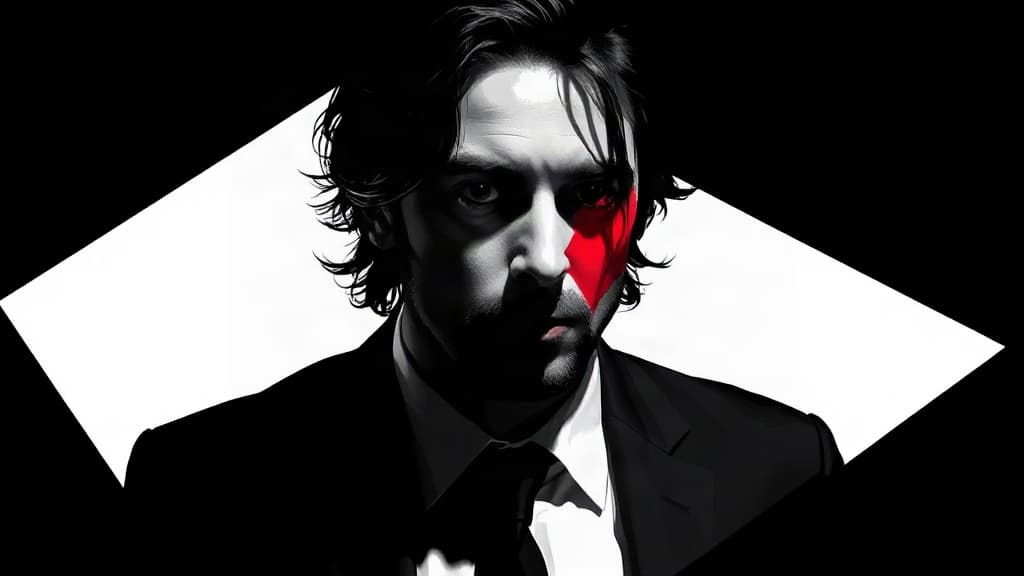
Russell Brand stood trial in London Monday on rape and sexual assault charges dating back a quarter century — just years after he broke from the establishment press to challenge COVID orthodoxy, media collusion, and government overreach.
The stakes aren't just one man's freedom. They're about what happens to anyone who steps off the reservation, builds an independent audience, and starts questioning institutional power. Brand's prosecution arrives after a coordinated media rollout that looked less like journalism than a warning to every other creator thinking about going rogue.
Brand, 51, has pleaded not guilty to three counts of rape, three counts of sexual assault, and one count of indecent assault. The charges involve six women and alleged offenses between 1999 and 2009. The trial at Southwark Crown Court began with jury selection Monday and was adjourned until Tuesday. Prosecutors are expected to open their case later this week. The trial could last 10 to 12 weeks.
Brand arrived flanked by security and holding hands with his wife, Laura Gallacher. He has remained free on bail.
Prosecutors allege Brand raped a woman in a hotel room at a Labour Party conference, grabbed a TV worker's breasts and forced her into a sex act in a toilet, and kissed and groped a radio station worker.
Here is what the coverage reveals about coverage itself. All three outlets — CBS News, NBC News, and KSL News — use nearly identical language to describe Brand's recent pivot: he "moved away from mainstream media," relocated to Florida, and built a large online following with videos mixing "wellness, conspiracy theories and discussions of his religious devotion." Not one outlet specifies what those "conspiracy theories" actually were. The omission is the tell. Brand questioned COVID mandates, media narratives, and government overreach. Calling them "conspiracy theories" without content is editorializing by omission.
KSL went furthest, labeling Brand's career a "catalog of controversy" and resurfacing the 2008 "Sachsgate" scandal — offensive voicemails Brand and Jonathan Ross left for actor Andrew Sachs. Brand quit his BBC radio show over it. That was 16 years ago. The BBC kept its power; Brand was eventually welcomed into Hollywood. It only became disqualifying again once he started challenging the people who run the culture.
For two decades, Brand was a mainstream darling — BBC radio host, Hollywood star, tabloid fixture married to Katy Perry. The industry protected him. Then he started asking the wrong questions, moved to Florida, and found an audience outside the gatekeepers. The charges, which predate his entire transformation, were suddenly ready to prosecute.
The court will decide the facts. But the court of public opinion already got its instruction from outlets that spent years ignoring Brand's behavior when he was useful, and only discovered it was intolerable once he became dangerous to the narrative. The question isn't whether Brand is guilty — that's for a jury. The question is why now, and who benefits from the timing.