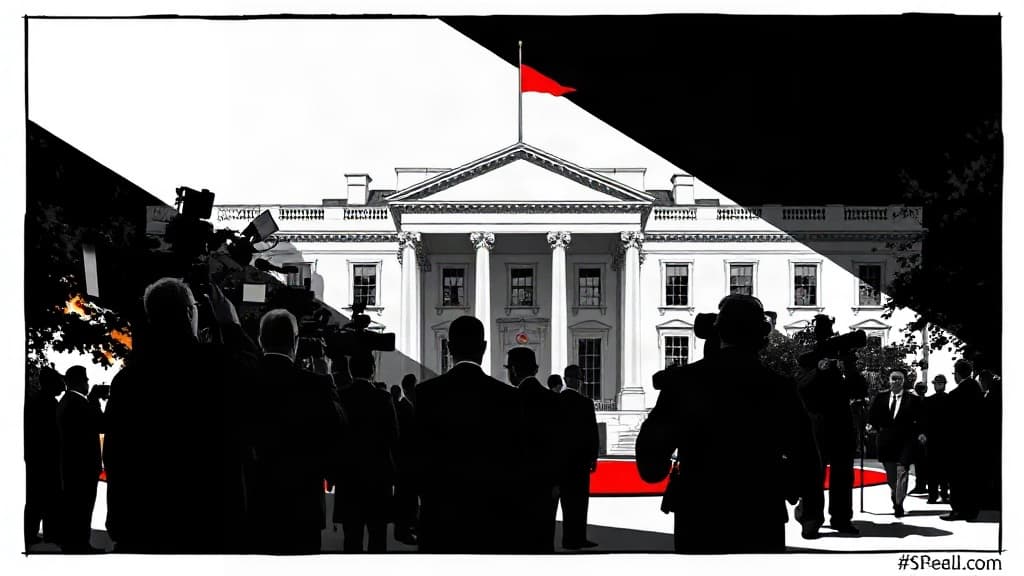
ABC is crying censorship after the FCC launched an early review of licenses for eight of its local television stations — but the network demanding constitutional shields is the same operation that polices speech for a living.
The stakes are straightforward: if the licenses are revoked, several of ABC's largest local stations go dark. But the deeper question is whether legacy media outlets should get the same free-pass treatment they routinely deny everyone else when government power comes knocking.
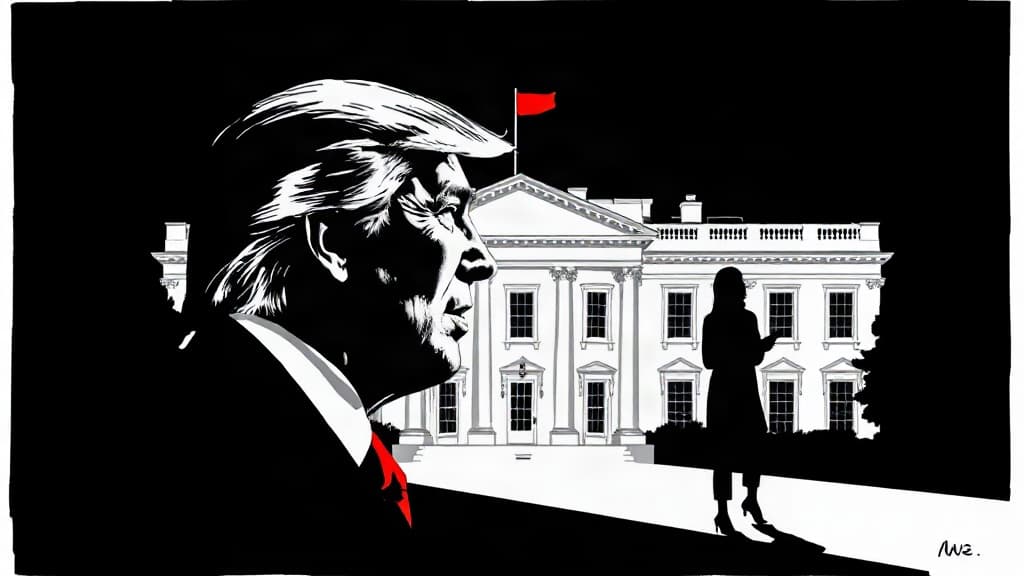
Disney-owned ABC fired back with a 109-page filing calling the FCC's expedited review "retaliation" for the network's coverage of Donald Trump, particularly on-air segments from Jimmy Kimmel. "The retaliation against ABC is a signal to every media company in the country: Accommodate the administration's view of what news coverage should look like or pay the price," ABC's lawyers wrote. They argued that demanding license renewal years early — some stations hold licenses through 2031 — departs from commission norms and rests on an "unconstitutional premise."
FCC Chair Brendan Carr has denied the review targets editorial decisions, pointing instead to the network's DEI employment practices and compliance with statutory obligations. The commission has also opened a separate inquiry into whether "The View" qualifies for a longstanding exemption from equal-time rules governing political programming — a probe triggered after the show interviewed Texas Democratic Senate candidate James Talarico in February.
The Guardian framed the fight almost entirely around ABC's First Amendment claims and quoted FCC Democrat Anna Gomez warning of a "campaign of censorship and control." The New York Post, by contrast, led with Disney "going ballistic" and highlighted the DEI investigation and the equal-time issue around "The View" — details The Guardian buried deeper in its report.
Here's what neither outlet spent much time on: the conservative groups petitioning to deny ABC's licenses — the Media Research Center, America First Legal, the Center for American Rights, and the Article III Project — are doing exactly what the left has done for decades: using regulatory processes to pressure media outlets. ABC just doesn't like being on the receiving end.
ABC's lawyers insisted that "no Petitioner has established any violations of Commission rules" and that the FCC "has no authority to regulate the content of television programming." Fair enough — on paper. But the same network that wraps itself in the First Amendment has shown no hesitation in de-platforming voices that stray from its preferred narratives. "The View" has already quietly scaled back bookings of political candidates while the FCC review is pending, according to Semafor — which suggests the network's free-speech convictions bend when the pressure is real.
A bipartisan group of former FCC commissioners and staffers filed a brief calling the early renewal process "a grave violation of both the Communications Act and the Constitution." Thousands of public commenters have also weighed in supporting ABC.
The open question isn't whether the government can punish speech. It can't. The question is whether ABC — which has built a business model on shaping narratives and silencing dissent — deserves the same immunity from scrutiny it has never extended to its critics.