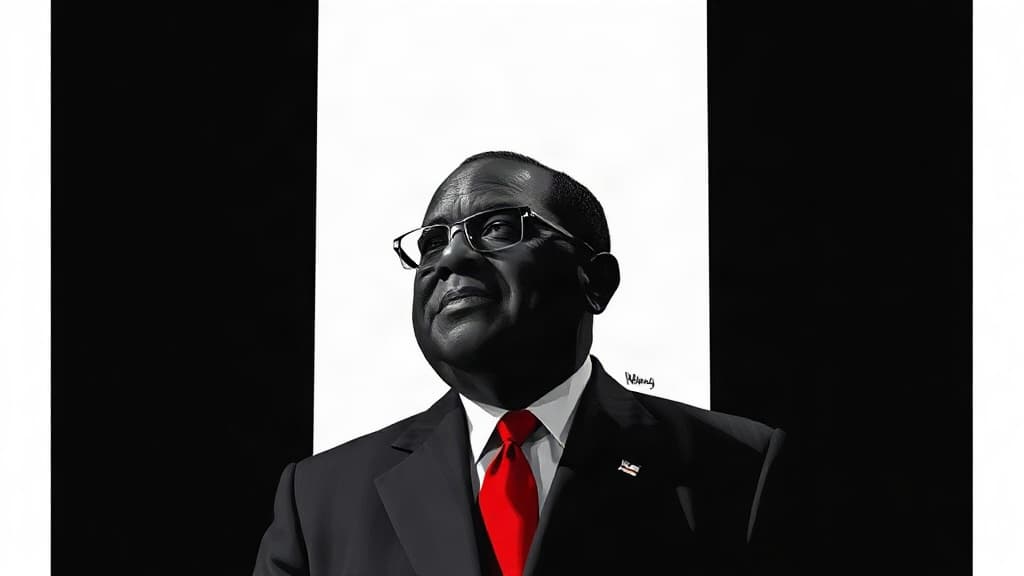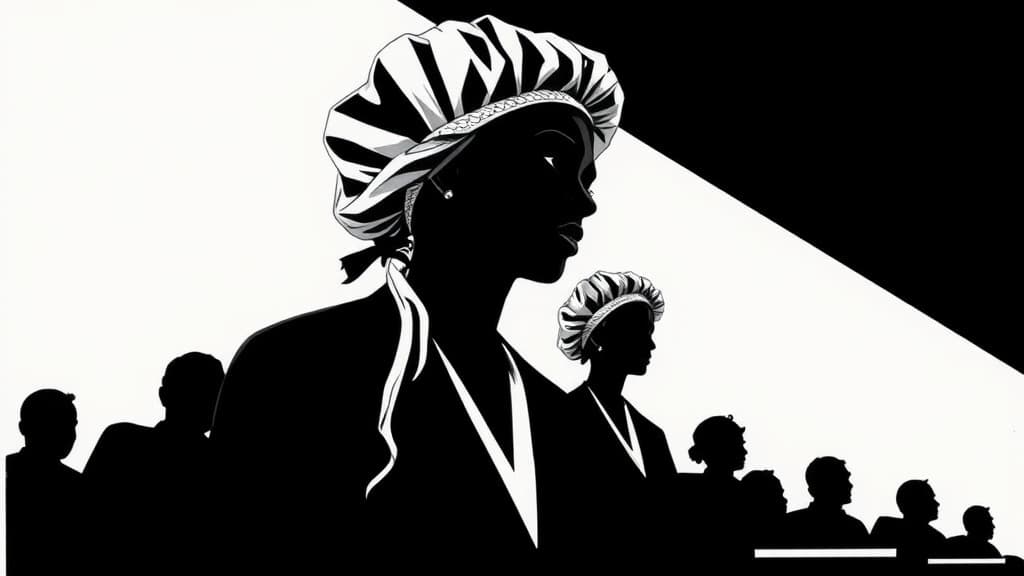
Tuskegee University is requiring students to arrive on campus in business suits with proper shoes this fall — banning bonnets, du-rags, and bedroom slippers from classrooms and dining halls — and the establishment press is calling it "controversial."
While campuses across the country abandon standards in the name of inclusion and self-expression, the historically black university founded on July 4, 1881, is doing the opposite: telling young adults that the real world expects you to present yourself like a professional. President Dr. Mark A. Brown made the call directly, emailing students and parents with the new policy.
"The Student Handbook requires students to arrive on campus with a business suit and proper shoes for a business meeting," Brown wrote. The dress code also bars "revealing clothing in class, to the cafeteria or in official settings like Convocation" and prohibits "bedroom shoes, bonnets, or du-rags to class or the cafeteria."
Brown didn't mince words about why. "The goal here is not meant to restrict you from enjoying the Tuskegee Experience, but to prepare you with a solid foundation for the workforce you will enter once you leave Tuskegee," he wrote. "Employers are less forgiving and too often presentation may overrule stellar preparation."
The New York Post framed the policy as "strict" and "controversial" in its headline. The Daily Caller reported it straight. The Post also amplified Facebook critics who accused the university of "respectability politics" — the idea that Black people must "constantly edit ourselves" and "distance ourselves from parts of our culture to be viewed as acceptable." Another critic insisted there is "absolutely no correlation between what you wear to class, in college, and your future as a professional."
But the critics are out of step with Tuskegee's own traditions. Kaylan Parham, a 2022 graduate, told Birmingham's WVTM-TV she was surprised by the backlash because the expectations have been in place for years. "That was normal to see men walk around with suits or a nice shirt and tie. The ladies all dressed up, even if they weren't going anywhere. It was just normal," she said. George Washington University associate professor and Tuskegee alumna Imani Cheers backed the move: "I don't think it's a bad thing to have standards for us. If we look at the archives of all of our HBCUs — Howard, Tuskegee, Spelman — the list goes on and on. There's a point in our illustrious history where everywhere, everybody was dressed down, dapper, suits ready to go."
The university isn't leaving students behind, either. A "community closet" will supply business attire to students who can't afford it, according to NBC Washington. The policy package also includes a cell phone ban in academic settings and a restated attendance requirement. Faculty will be "empowered to respond to students who are inappropriately dressed," though the university has not specified penalties for violations.
The dress code comes as Tuskegee prepares to welcome its largest freshman class in more than 32 years.
One university still believes its job is to prepare students for the world as it is — not to pretend the world will meet them where they are. Whether other institutions follow that example or keep lowering the bar remains the open question.