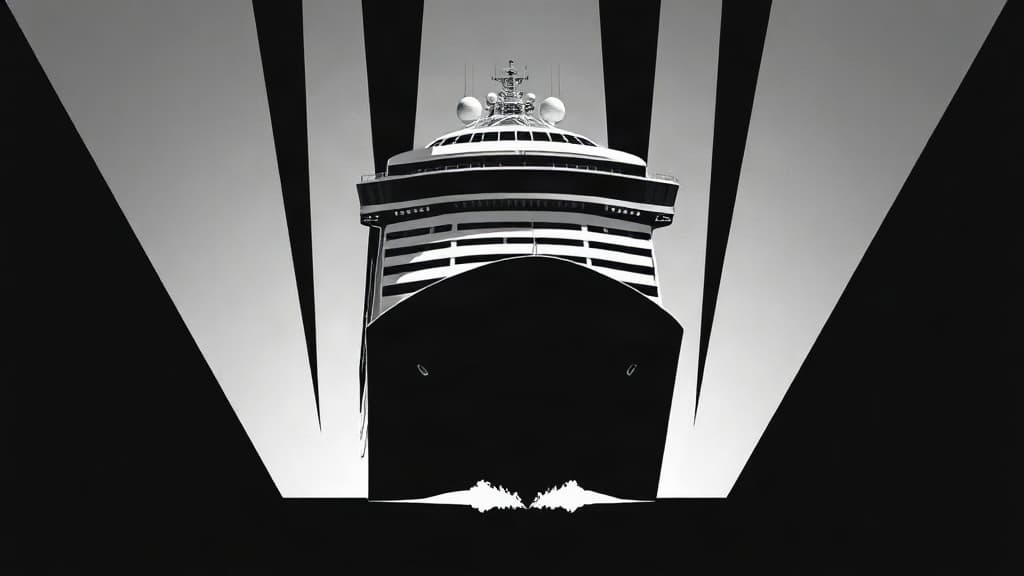
A Texas man choked a woman to death on a cruise ship, then sat in the hallway scrolling his phone. That's the horror. Here's the scandal: the ship he did it on doesn't fly the American flag — it flies Malta's.
Jason Leon Watford, 48, admitted to FBI investigators that he "snapped" during an argument, struck the unidentified woman multiple times, then choked her with both hands and an arm around her neck for four to five minutes. He released his grip, he said, "only after becoming exhausted." A housekeeper delivering towels saw blood on his hands and pants and a woman lying motionless face-down on the cabin floor. Watford changed his clothes and sat in the hallway, scrolling his phone. He never called for help.
The MSC Seascape departed Galveston on Sunday. By Monday morning, it was back in port. Watford was hauled off in handcuffs. And the ship — 19 decks, capacity 5,877 passengers — turned around and resumed its Caribbean itinerary like it was just a bad night.
The New York Post reported that the captain told passengers it was a "medical emergency." That's what the cruise industry calls murder.
This case is being prosecuted in federal court, which claims jurisdiction over crimes on vessels in international waters. But here's the part the industry hopes you skip: the MSC Seascape is Maltese-flagged. It operates under the laws of Malta, a tiny Mediterranean island, not the United States. That's not an accident — it's the business model. Flagging foreign lets cruise lines dodge U.S. taxes, U.S. labor standards, and U.S. regulatory oversight. The industry spends millions lobbying Congress to keep every gap in place.
NBC News reported that Watford was arrested in 2024 for assault causing bodily injury to a family member. He got 15 months of probation and 30 hours of community service. He was free to board a cruise ship with a woman he'd already been violent toward. No red flag stopped him. No system caught it.
The jurisdictional patchwork means the FBI has to scramble every time something like this happens. Federal prosecutors sort out whether they even have authority. The ship's crew — working under Maltese labor law, not American — handles the initial crime scene. Evidence gets compromised. Witnesses scatter across international ports.
The cruise lines want it both ways: market to Americans, sail from American ports, collect American dollars — then hide behind a foreign flag when the consequences arrive.
The fix is simple. If a ship boards passengers at an American port, it should be subject to American law — period. American ships, American law, American justice. If MSC doesn't want to fly the Stars and Stripes and answer to American courts, it can find another customer base.
A woman is dead. Her killer scrolled his phone while her body cooled on the floor of a foreign-flagged vessel that sailed from Texas. The least this country owes her is a legal system that doesn't require a jurisdictional puzzle to deliver accountability.