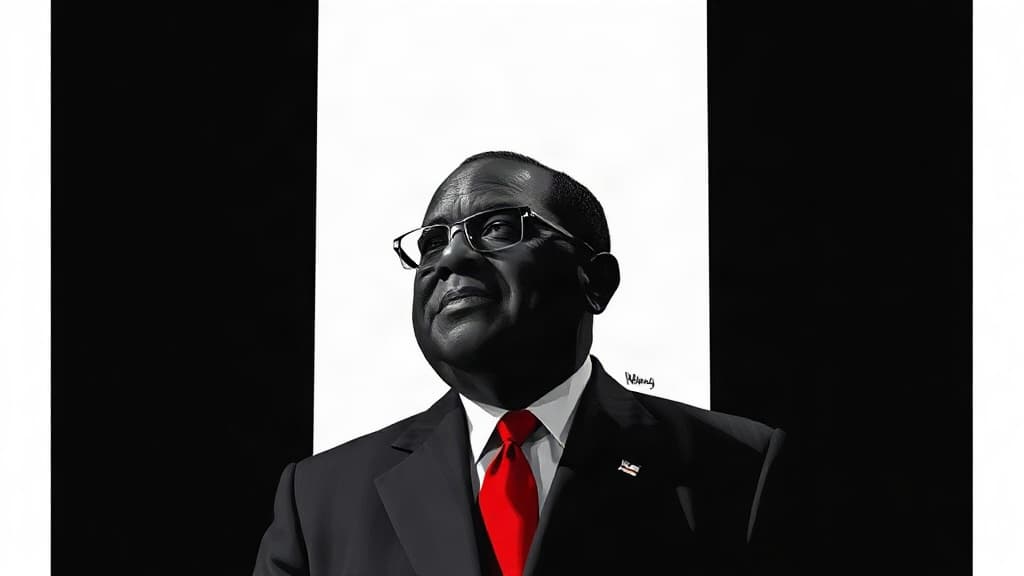
Tuskegee University President Dr. Mark Brown is refusing to back down from a campus dress code that bans durags, bonnets, and non-religious head coverings, telling critics that American higher education needs to stop lowering standards and start preparing students for the real world.
The stakes are straightforward: parents across the country are questioning whether a college degree is worth the crushing price tag, and Brown—a retired Air Force major general—is making the case that the answer is standards, not coddling. While most university administrators cave the moment someone claims offense, Tuskegee is doing the opposite.
Brown issued a pre-campus arrival memo requiring business suits and shoes for business-like meetings and professional dress in classrooms, along with the headwear restrictions. Freedom-of-expression advocates pushed back, and some critics framed the rules as "respectability politics." Both the New York Post and Fox News covered the backlash; neither outlet detailed which specific organizations led the criticism.
Brown isn't apologizing. "If you raise the bar, students will reach it," he told Fox News Digital. "Why don't we raise the bar? That's what I think we ought to do. We're unapologetic about that part."
He said he saw the results himself during the first days of the school year: "I had a wonderful time riding around and walking around the campus on the first and the second day of class. The bar was raised and it was being reached."
Brown framed the dress code as one piece of a broader push—punctuality, attendance, internships, professional certifications, interview preparation—that actually delivers on the promise colleges make to families. "The focus is how do I make you a professional in whatever space you want to go in?" he said. "Any higher education institution in the country that's not focused on student success, no matter what type of university that is, is not focused where they should be."
The policy itself isn't new, Brown noted—Tuskegee is just enforcing it with "greater emphasis." His logic is blunt: "It's not the world we wish you were going into, it's the world you're going to go into. It's not the way that we wish an employer would perceive you. It's the way the employer will perceive you."
He also tied the debate directly to the cost question weighing on working families. "What do you want when you send your son or daughter to college?" Brown asked. "What do you expect us to do and what do you expect to happen four or five years from now when they graduate?" His answer: "We want them job-ready."
Brown pointed to punctuality as a habit that colleges routinely let slide, to students' eventual ruin. "Would it be sad for us to allow a student to come to class late, practice that for four to five years, and then find out that no matter how great they were with their 4.0 or 3.8 GPA, it won't keep them that job?"
The critics calling this "respectability politics" want the conversation to be about identity. Brown is making it about competence. The open question is whether the rest of American higher education—busy lowering every bar it can find—will take notes.