A seaplane carrying eight people crashed into New York City's East River just after noon Sunday — the second such incident in those waters in less than a month — and ordinary Americans who depend on small aircraft and working waterways get to wonder whether anyone in Washington is paying attention to the skies over their own country.
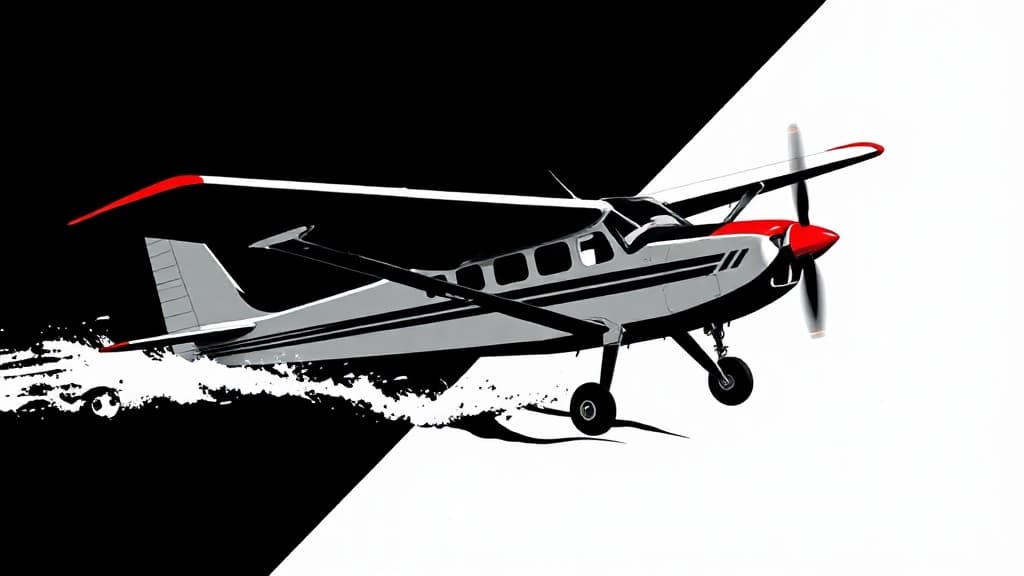
The plane made a hard landing in choppy waters near the Manhattan ferry and Skyport terminal along 23rd Street and FDR Drive, partially capsizing with one wing submerged, according to the New York Post. FDNY responded at 12:01 p.m. and pulled all eight people from the aircraft. Two passengers were evaluated for minor injuries, officials told the Post. The aircraft was righted and towed back to the docks.
ABC17, citing CNN, framed the incident as a "hard landing" and noted the plane "landed upright in the water" — a rosier description than the Post's footage of a wing-underwater rescue operation with at least five response vessels on scene. The Post reported the plane "partially capsized." Both outlets confirmed eight people were removed by FDNY.
Here's the context neither outlet lingered on: this is the second seaplane incident in the East River in under a month. The Post noted that in June, another seaplane was rescued after a wave struck it during takeoff near the Throgs Neck Bridge, leaving it struggling in the water.
Two crashes in four weeks on the same river system, and the national press treats it as a two-paragraph blip. General aviation safety — the infrastructure that connects rural communities, island economies, and working waterfronts — doesn't rate sustained coverage. The FAA, meanwhile, has made headlines in recent years for pushing DEI hiring initiatives over pilot and controller competence standards, while the agency's oversight of small aircraft and seaplane operations draws minimal scrutiny.
NYPD said an investigation into Sunday's crash remains ongoing. No word yet on cause — mechanical failure, pilot error, weather conditions, or waterway congestion.
The question that won't get asked at any press briefing: how many close calls does it take before Washington treats general aviation infrastructure — the runways, the waterways, the air traffic systems that working Americans actually use — as something worth funding and policing with the same urgency it brings to shipping cash overseas?
The passengers on that plane survived. The next ones might not. And the FAA's priorities will remain what they've been — until the toll forces a change.