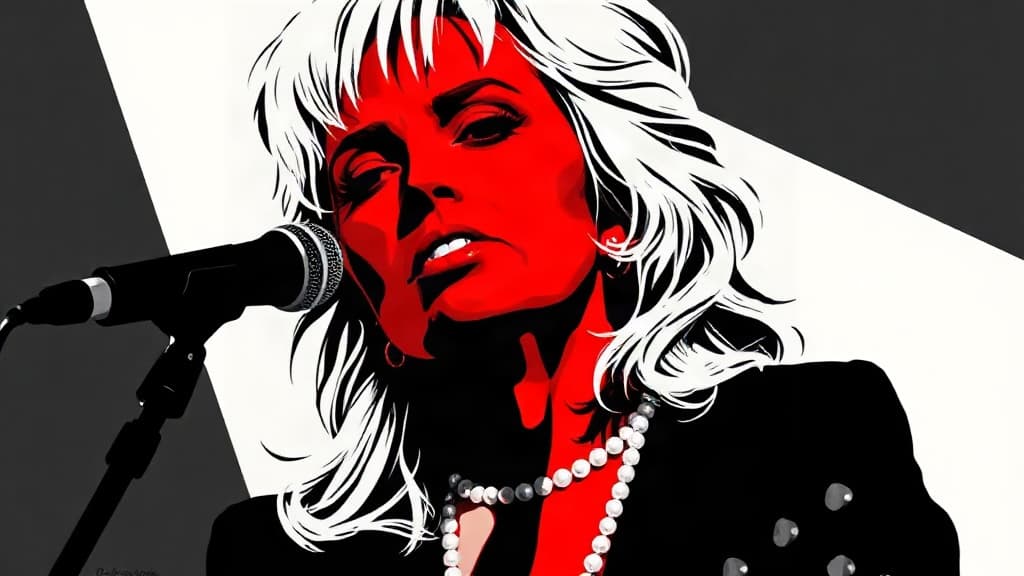
Dolly Parton died Tuesday at 80, and within hours the establishment press was already telling working Americans what her life was supposed to mean to them.
The New York Times opinion page wasted no time canonizing Parton as something more than a songwriter and entertainer — she became, in their telling, a transcendent unifying force. The Times' remembrance led with an anecdote about Parton's controlled image — "Ask me anything you want to ask me, and I'll tell you what I want you to hear" — then immediately deployed her to serve its own editorial purposes. The telling detail: the Times highlighted that at a Dolly concert, "Men in trucker hats (and sometimes Confederate flags) stood next to men in drag." That sentence does a lot of work. It positions Parton not as a country musician who earned her following through decades of hard touring and honest songwriting, but as a cultural solvent — a figure the establishment can use to dissolve the distinctions it finds inconvenient.
The Spokane Spokesman-Review's archival coverage tells a different story, one the Times didn't much dwell on. In 1974, a reviewer noted Parton "stole the show" from headliners George Jones and Tammy Wynette, winning a standing ovation with "The Coat of Many Colors" — a song about a poor girl ridiculed for a patchwork coat her mother sewed from rags. By 1976, she'd brought her own family band — brothers and sisters Randy, Rachel, Floyd and Freda — and worked a two-and-a-half-hour show. In 1977, fans stood in wet snow whooping after the curtain fell. That's the record of a working entertainer earning every seat through sweat and craft, not a symbol manufactured by coastal editors.
The New York Post, meanwhile, focused on Parton's own framing of herself — the one she actually chose. She repeatedly said her epitaph should read: "It costs a lot of money to look this cheap." She modeled her look on what her hometown called "the town tramp" — a woman with "beautiful yellow hair" — and told CBS in 2006: "Everybody said, 'She's trash.' And in my little girl mind, I thought, 'Well, that's what I'm going to be when I grow up.'" Parton never ran from the label. She owned it, sharpened it, and made it a brand that no Manhattan opinion page could have conceived.
So why the rush to repackaging? When the Times places Confederate flags and drag in the same sentence and calls the concert a shared home, it isn't reporting on Parton — it's drafting her into a cultural argument she never enlisted in. The woman who said "I'll tell you what I want you to hear" is now being made to say what the Times wants you to hear. The canonization serves the canonizers. A country girl from Locust Ridge who called herself trash and meant it as a badge of honor becomes, in death, a tool for the people who spent her lifetime looking down on exactly the audiences that filled those Opera House seats.
The open question is whether the people who actually bought the tickets and stood in the snow will let them get away with it.