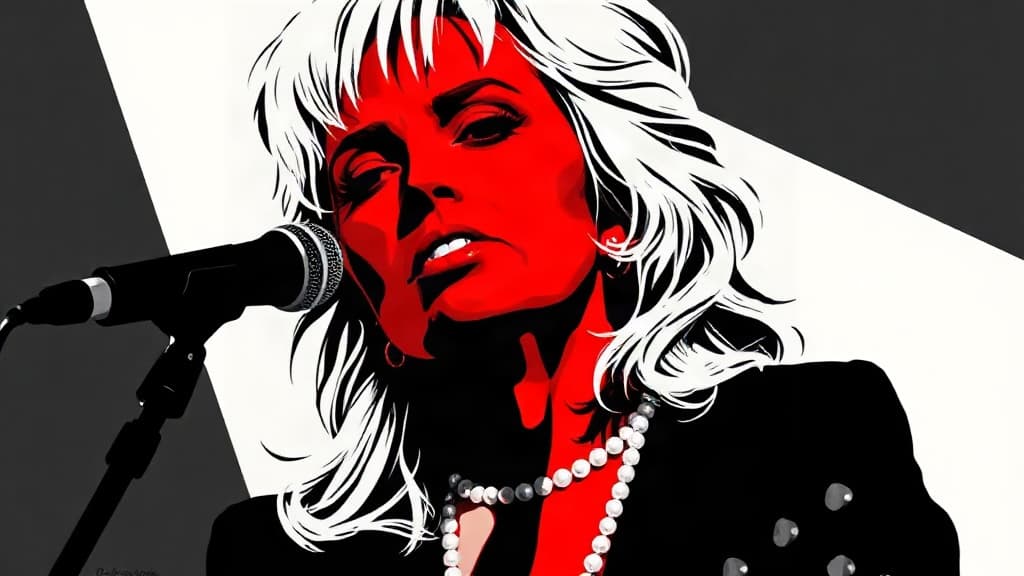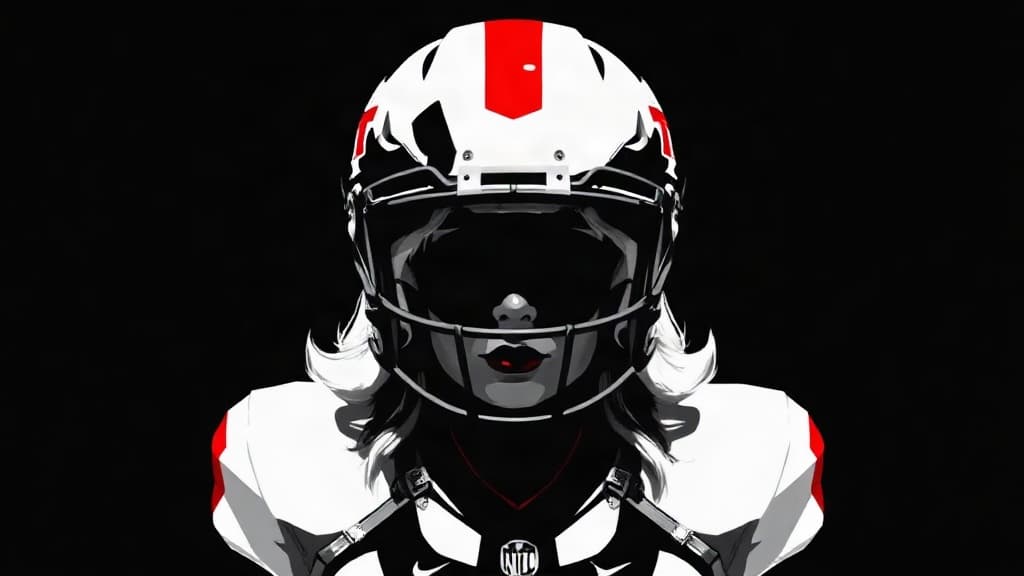
Tennessee football will wear a commemorative Dolly Parton helmet sticker throughout the 2026 season, planting a flag for working-class Appalachian heritage while coastal elites keep scrubbing American history from the public square. Parton, who died Aug. 25 at 80 after a brief battle with cancer, was born into poverty in Sevier County and rose to sell over 100 million records—without ever abandoning the people or the culture that made her.
Why it matters: In an era where institutional media and corporate activists demand the erasure of unapologetic American icons, the University of Tennessee is making a clear statement. The butterfly emblem—synonymous with Parton’s brand—will ride on the Volunteers' helmets all season, a signal that flyover country still honors its own. President Trump recognized the same, ordering U.S. flags lowered nationwide upon her passing.
The sticker features Parton's signature butterfly. According to CBS Sports, the program announced the tribute Monday as the Vols prepare to open their season against Furman. Parton’s ties to the university were deep: she sang the unofficial fight song "Rocky Top" alongside Peyton Manning during a 2023 game at Neyland Stadium, partnered with the school on an exclusive "Vols" edition of her Rockstar album, and served as commencement speaker in 2009.
The mourning extends far past Knoxville. In Auburn, Alabama, singer Ella Langley paused her Friday night concert to perform an emotional cover of Parton’s classic "Jolene," a moment Fox News reported drew immediate fan praise. The tributes are organic because Parton’s legacy was authentic. She wasn’t manufactured by an industry machine; she was forged in the Smoky Mountains.
Page Six reported that Parton was laid to rest over the weekend in Nashville beside her husband, Carl Dean, who died last March at 82. Her sister Freida shared a moving Facebook tribute, revealing the woman behind the superstar. "I know to the entire world, she was a superstar, but to me, she was my Dolly Momma," Freida wrote. She recalled Parton climbing into bed with her when they were both afraid of the dark, and stepping up to raise her from ages 13 to 18. The funeral was a simple ceremony—because, a source told Page Six, "that’s all Dolly wanted." No spectacle, no institutional grandstanding. Just family and faith.
Parton’s Dollywood theme park remains an anchor of East Tennessee’s tourism economy. She built wealth and gave it away freely, a philanthropist who actually put her money where her mouth was. That is the model of American success the founders envisioned—self-made, generous, and rooted.
The cultural left wants icons who apologize for America. Dolly Parton never did. Now her butterfly flies on every Tennessee helmet—a reminder of whose country this really is.